Oem 100 Bamboo Pajama Gots Organic Manufacturer
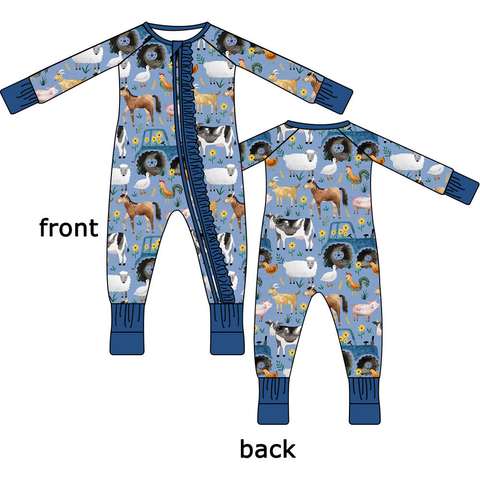
100% Bamboo Pajamas: A Technical Exploration for B2B Enterprises
Bamboo fiber has revolutionized the textile industry, introducing a sustainable and versatile raw material. With its increasing popularity, 100% bamboo pajamas have gained traction among consumers for their softness, breathability, and eco-friendliness. For manufacturers and businesses operating in the textile sector, understanding key technical aspects such as GSM, fabric density, and the role of industrial machinery is essential for producing high-quality bamboo garments. This article dives deep into these areas and provides insights tailored for B2B enterprises.
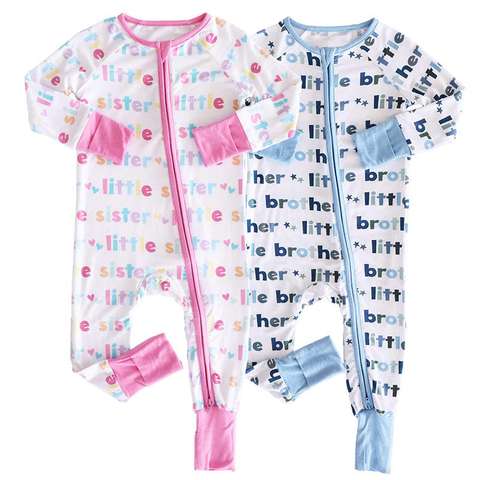
Understanding GSM in 100% Bamboo Pajama Fabrics
GSM (grams per square meter) is a critical metric in textile production, representing the weight of fabric per unit area. It serves as an important indicator of the material's density, quality, and performance. When designing 100% bamboo pajamas, selecting an appropriate GSM is a key decision that impacts the end product.
For bamboo-based sleepwear, an ideal GSM typically ranges between 150 and 300. A GSM value of 150–180 is suitable for lightweight pajamas, offering breathability and comfort in warmer climates. Higher GSM values, such as 200–300, indicate thicker fabrics, ideal for cool seasons or areas requiring additional insulation. Balancing GSM is essential, as materials with overly high GSM may compromise breathability, while those with lower GSM may lack durability.
Measuring GSM accurately on an industrial scale requires specialized equipment such as precision fabric weight scales and cutting templates that adhere to standardized dimensions (usually 10 cm by 10 cm). This ensures consistency across bulk production and helps meet specific customer demands.
Fabric Density and Its Role in Bamboo Textiles
Beyond GSM, fabric density is another important parameter that determines the quality of 100% bamboo textiles. Fabric density refers to the number of yarns or threads per square inch in both the warp and the weft of the material. Higher density indicates tightly woven fabrics that are durable and resistant to wear, while lower density provides a lighter, more breathable feel.
Optimizing Fabric Density for 100% Bamboo Pajamas
The unique structure of bamboo fibers offers excellent properties, but achieving the ideal fabric density requires precision in the weaving process. For sleepwear, a moderate fabric density is typically preferred. A tighter weave may feel coarse and compromise comfort, reducing the appeal of bamboo’s natural softness. Manufacturers often aim for density ranges between 200–400 thread counts, balancing comfort with performance.
Advanced industrial looms, such as rapier looms or air-jet weaving machines, play a pivotal role in maintaining consistent density during production. These machines allow for greater control over warp and weft tension, ensuring that each unit of fabric maintains the same structural integrity.
Industrial Machinery Essential for Bamboo Fabric Manufacturing
The production of bamboo textiles for sleepwear involves a multi-step process, including fiber extraction, spinning, weaving, and finishing. Each stage requires specialized machinery to ensure efficiency and precision. Below is an overview of the key machinery used in the manufacturing process of 100% bamboo pajamas.
Bamboo Fiber Extraction Machines
The creation of bamboo fabric begins with the extraction of cellulose fibers from bamboo plants. This involves mechanical or chemical processes. Mechanical extraction uses crushing and combing machinery, which manually breaks down bamboo stalks. On the other hand, the viscose process, a popular chemical method, utilizes machinery for treating bamboo in solvents to produce fibers.

For industrial-scale operations, it’s essential to invest in high-efficiency extraction machines with robust operating capacity. Automation systems, integrated with features such as moisture control and temperature regulation, can significantly enhance quality while reducing waste.
Spinning and Yarn Manufacturing
After extraction, bamboo fibers are spun into yarn. Ring-spinning machines, open-end spinning technology, and compact spinning systems are common in this phase. Bamboo yarn requires a uniform tension to ensure consistency, which is why modern spinning machines come equipped with sensors and computerized monitoring for quality assurance.
Industries producing bamboo pajamas often opt for flexibility in their spinning operations. Machines that enable adjustments in yarn thickness, ply, and twist can diversify the fabric’s end properties, such as softness and durability, catering to various customer requirements.
Weaving and Knitting Machinery
For bamboo fabrics used in pajamas, both woven and knitted structures are common, depending on market demand. Circular knitting machines are widely used for creating seamless and elastic bamboo pajamas, while industrial weaving looms are essential for smooth and robust fabric production.
Recent advancements such as computer-controlled jacquard looms or high-speed knitting machines allow for intricate patterns, seamless designs, and greater output efficiency, reducing production cycles and enhancing scalability for businesses.
Finishing and Dyeing Equipment
Post-production finishing processes play a crucial role in finalizing the texture and appearance of bamboo pajama fabrics. Softening agents, anti-pilling treatments, and pre-shrinking machinery are often employed to ensure that the textiles meet both durability and comfort standards. , dyeing equipment optimized for natural fibers like bamboo ensures premium results while retaining the fabric’s ecological benefits.
Rotary hydro-extractors, computerized dyeing vats, and tension-controlled dryers are popular choices in modern manufacturing facilities to reduce color inconsistencies and optimize energy consumption.
Sustainability Considerations in Bamboo Pajama Manufacturing
As businesses pivot towards environmentally sustainable practices, bamboo textiles have emerged as a go-to alternative. Crafting bamboo pajamas inherently supports sustainability as bamboo plants grow quickly, require minimal pesticides, and consume less water compared to cotton.
However, certain chemical processes in bamboo fiber production, such as the viscose process, can negate these benefits if not managed responsibly. Eco-conscious manufacturers are investing in closed-loop production systems, allowing chemicals to be recycled and minimizing environmental impacts.
Additionally, machinery that reduces energy consumption, such as low-heat dyeing units and energy-efficient spinning systems, is appreciating demand in the textile industry. By utilizing advanced technology in bamboo sleepwear production, manufacturers can credibly support a sustainable brand identity while equipping themselves to meet evolving market requirements for greener practices.
The Key Benefits of 100% Bamboo Pajamas for B2B Enterprises
For B2B enterprises looking to invest in or produce 100% bamboo pajamas, the advantages are multifaceted. This fiber exhibits natural antibacterial properties, wicks moisture efficiently, and is hypoallergenic, making it an excellent choice for next-to-skin garments like pajamas.
| Fabric Type | Organic Bamboo |
| Compliance | CPC Certified |
| Customization | ODM |
| Lead Time | 23 Days |
- Wide Market Appeal: Bamboo pajamas appeal to various demographics due to their luxurious feel and eco-conscious credentials. As consumer preferences shift towards sustainable and high-performance textiles, bamboo-based garments offer a lucrative opportunity.
- Scalability through Modern Machinery: The availability of advanced machinery ensures that the transition to bamboo production is manageable and scalable for manufacturers currently working with other textile fibers.
- Brand Differentiation: Offering sleepwear made from bamboo sets businesses apart from competitors, especially as eco-conscious initiatives continue to shape purchasing decisions.
The production of 100% bamboo pajamas presents an exciting opportunity for B2B enterprises to align themselves with growing demand for sustainable, comfortable, and innovative textile products. By prioritizing proper GSM levels, fabric density, and leveraging advanced industrial machinery, manufacturers can produce high-quality bamboo sleepwear that meets the expectations of both businesses and end consumers.
Ultimately, as the textile industry moves towards a more sustainable and consumer-driven future, investing in bamboo fabric technology represents both a forward-thinking strategy and a profitable market opportunity.