Tailormade Bamboo Zipper Pajamas Custom Print Cpc Certified Vendor
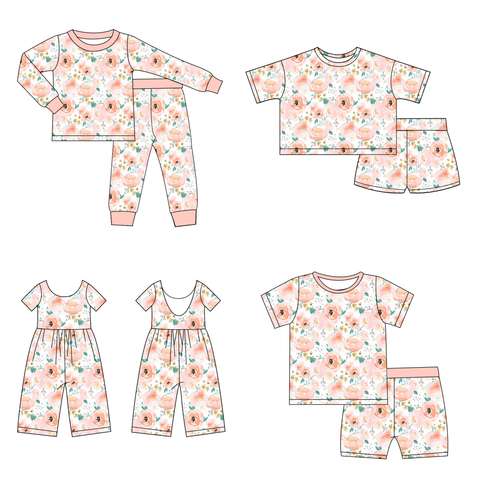
The Future of Sustainable Textiles: Bamboo Zipper Pajamas with Custom Prints
In the world of textile engineering, the demand for sustainable, eco-friendly products is growing rapidly. Among these, bamboo zipper pajamas with custom prints represent a fusion of environmental sustainability, functional design, and manufacturing precision. This article examines the technical aspects of these garments, delving into their fabric density, GSM (grams per square meter), and the industrial machinery that supports their production. Here, we aim to provide a comprehensive guide for B2B manufacturers, suppliers, and enterprises looking to introduce or improve such products in their portfolio.
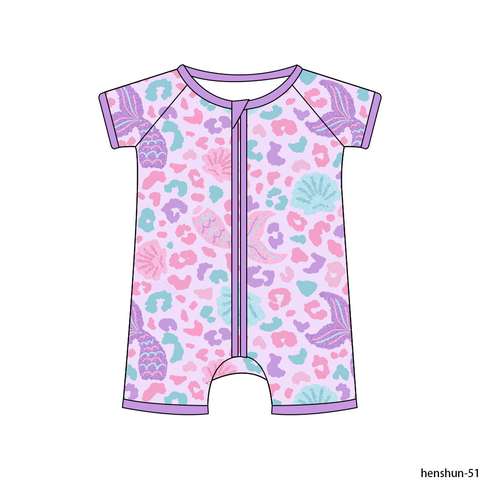
The Role of GSM in Bamboo Pajama Fabric Selection
GSM, or grams per square meter, is a critical measurement in the fabric industry. It represents the weight of fabric per square meter and indicates the material's thickness and durability. For bamboo zipper pajamas, manufacturers often aim for a balance between comfort and durability. Typical GSM values for bamboo fabrics range between 160 and 240 GSM, depending on the use case and desired characteristics.
For cozy, lightweight pajamas ideal for warmer climates, a lower GSM fabric, such as 160–180, is preferred. On the other hand, cooler temperatures or a premium, high-end line might necessitate a heavier fabric with a GSM of 200–240. Bamboo fibers naturally possess high tensile strength, even at lower GSM values, enabling excellent durability. The selection of GSM directly impacts not only the feel of the pajamas but also their thermal regulation and moisture-wicking properties.
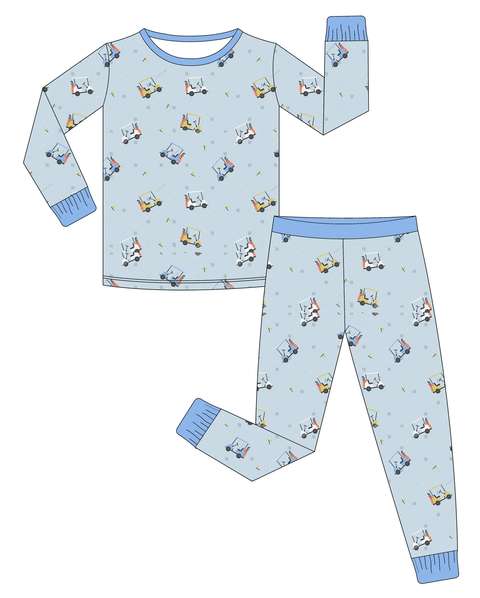
To achieve precise, custom GSM standards, industrial-scale knitting or weaving machinery plays a vital role. A fully computer-controlled circular knitting machine ensures consistent uniformity across batches, which is critical for achieving high-quality bamboo fabrics with desired specifications.
Fabric Density and Its Importance in Bamboo Zipper Pajamas
While GSM serves as an essential metric, analyzing fabric density offers a complementary perspective. Density refers to the tightness of threads or yarns woven or knitted together within a fabric. Bamboo fabric, known for its natural softness and breathable structure, requires meticulous attention to thread density to maintain performance features such as stretch, breathability, and durability.
For zipper-equipped pajamas, fabric density becomes especially important in areas subject to mechanical stress, such as around the zipper or seams. An optimal density ensures these stress points do not fray or weaken over time. Engineers often conduct tensile strength and abrasion tests at varying density levels during the material selection phase. The integration of Lycra or elastane for stretch within bamboo blends typically requires fine-tuning in both GSM and density during production.
Advanced fabric inspection tools, such as optical scanners and digital analysis, can be employed to assess and maintain precise fabric density parameters during and after fabrication. Investing in such machinery enhances process reliability and minimizes defect rates in finished goods.
Industrial Machinery for Crafting Custom Bamboo Prints
The production of custom-printed bamboo zipper pajamas is a multi-step process relying heavily on advanced industrial machinery. Several pieces of equipment play pivotal roles in achieving high-quality outcomes:
- Digital Printing Machines: The most versatile and precise method for custom printing on bamboo fabrics is digital printing. Direct-to-fabric (DTF) or dye-sublimation printers are preferred for their ability to produce vibrant, intricate designs. High-resolution print heads ensure clean, detailed patterns without compromising the smoothness and natural texture of bamboo fabrics.
- High-Tension Fabric Feeders: These support the smooth feeding of bamboo fabric sheets or rolls through printing devices. Bamboo's unique characteristics, such as its stretch and tensile properties, demand machinery with tension-control mechanisms for uniform printing results.
- Heat Press Machines: For fixing dye molecules onto natural fibers like bamboo, heat press machines are essential. Processes such as dye-fixing or sublimation ink curing require precise heat and pressure handling to ensure vibrant, durable prints.
Manufacturers streamlining the integration of printing into bamboo pajama production lines can reduce waste while achieving a higher ROI by employing these state-of-the-art machines. Additionally, automation allows for personalized orders, making customization viable on a large scale, which is a key selling point in today's B2B textile market.
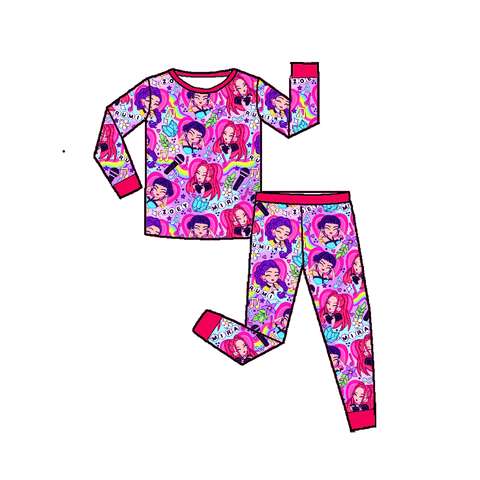
| Fabric Type | Organic Bamboo |
| Compliance | CPC Certified |
| Customization | Tailor-made |
| Lead Time | 39 Days |
Engineering Considerations for Zipper Integration
Adding a zipper to bamboo pajamas requires an engineering focus on durability and comfort. Due to bamboo fabric’s softness and elasticity, reinforcements are often needed near zipper seams to prevent tearing while maintaining a smooth finish. Selecting the right zipper type—such as coil, invisible, or molded tooth zippers—is dependent on fabric thickness and use-case requirements.
, the sewing machinery used must be optimized for lightweight yet stretchable natural fibers. Merrow stitching machines, walking foot sewing machines, and overlock sergers with fine-thread capabilities are generally preferred for this purpose. Automated systems can be calibrated for precise, high-speed production, minimizing errors while adhering to consistent design templates.
One notable innovation in zipper integration is the use of bonded seams. These are achieved through ultrasonic welding machines or thermoplastic adhesives, which reduce bulkiness around zipper areas and create clean, seamless edges. This technology is rapidly gaining traction in the textile manufacturing sector for high-performance garments, including bamboo zipper pajamas.
Benefits of Custom Bamboo Zipper Pajamas for B2B Buyers
Bamboo zipper pajamas represent a functional and environmentally-friendly option that appeals across the supply chain. The lightweight and breathable properties of bamboo fabrics, combined with the durability of custom prints and reliable zipper integration, ensure these garments meet consumer expectations for both performance and aesthetics. Here are a few reasons why B2B buyers should consider investing in these products:
- Sustainability: Bamboo is a rapidly renewable resource with a lower environmental footprint compared to traditional cotton or synthetic textiles.
- Versatility: Custom-printed designs allow for branding opportunities, seasonal collections, and diverse product lines.
- Consumer Appeal: Features like enhanced breathability, moisture-wicking properties, and hypoallergenic qualities address key consumer demands.
- Circular Economy Potential: Bamboo fabrics are biodegradable, aligning with global sustainability goals and fostering brand goodwill among environmentally-conscious consumers.
Producing bamboo zipper pajamas with custom prints combines the art of design with the precision of textile engineering. By focusing on GSM, fabric density, and tailored industrial machinery solutions, manufacturers can create products that are not only high-performing but also eco-friendly and visually appealing. For B2B buyers, these garments represent a growing market opportunity fueled by increasing demand for sustainable, personalized, and comfortable apparel. Investing in sophisticated manufacturing technologies and engineering processes will position businesses at the forefront of this exciting trend.