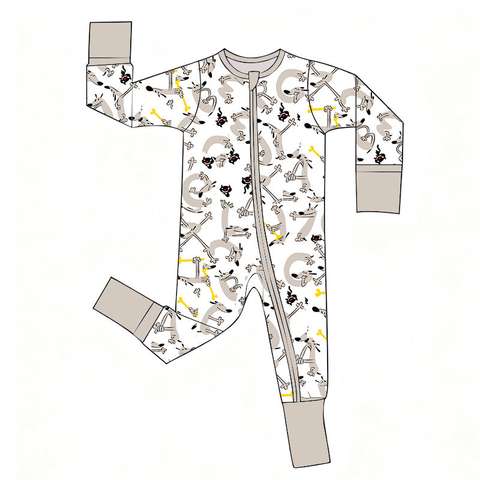
Oem Baby Bamboo Characters Bespoke Factory
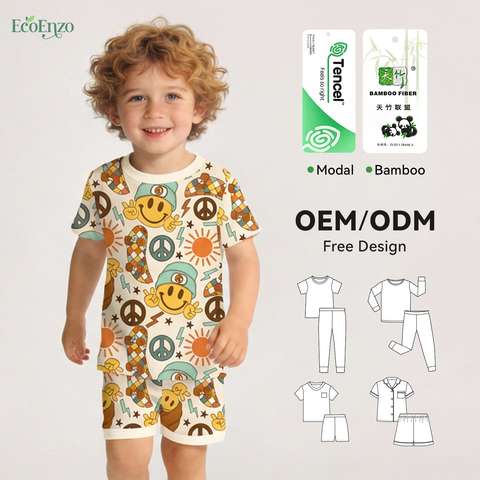
The Technical Excellence of Baby Bamboo Fabric
Bamboo textiles have gained immense popularity due to their sustainability, softness, and versatility. Among the various bamboo fabrics, “baby bamboo fabric” is a specialized derivative, meticulously engineered to cater to sensitive skin — particularly for infants. But what makes baby bamboo fabric unique? From its GSM to its fabric density and the industrial innovations behind its production, here is a deep dive into everything you need to know about its technical and commercial utility.

What is Baby Bamboo Fabric?
Baby bamboo fabric refers to a textile material specifically developed for children's clothing, bedding, and accessories. Its hallmark features are its unprecedented softness, hypoallergenic properties, and high breathability. It is made by processing bamboo fibers through mechanical or chemical methods, resulting in a fabric that aligns with stringent safety and quality standards for infant use.
Beyond its application to infants, baby bamboo fabric is increasingly being adopted in premium adult textiles. Its technical specifications — such as GSM, thread count, and fiber structure — set it apart from standard bamboo-based fabrics.
The Importance of GSM in Baby Bamboo Fabric
GSM, or grams per square meter, is a critical measure in the textile industry that determines the weight and thickness of a fabric. For baby bamboo fabric, achieving the ideal GSM is a balancing act between softness and durability. Too low of a GSM can compromise durability, while too high of a GSM can make the fabric feel too dense, reducing the softness necessary for infant products.
Optimal GSM Range for Baby Bamboo Fabrics
Baby bamboo fabrics typically fall within the range of 180-250 GSM. This range provides a lightweight yet durable construction, making the fabric suitable for year-round use. For warmer environments or summer clothing, GSM values closer to 180 are preferable, whereas colder environments may demand fabric with slightly higher GSM margins around 220.
Manufacturing Precision and GSM Control
Industrial machinery, such as warp and weft knitting machines, is calibrated to ensure precision in GSM control during production. Modern computerized knitting machines allow manufacturers to consistently maintain GSM values, ensuring fabric quality and meeting stringent product regulations in the baby care industry.
Fabric Density: The Durability-Softer-Handfeel Trade-Off
Fabric density is a measurement of the number of threads (or yarns) per square inch. For baby bamboo fabric, it is essential to achieve an appropriate thread overlap to guarantee the fabric’s structural integrity while maintaining the signature soft texture.
Thread Count vs. Weave Structure
The thread count of baby bamboo fabric usually falls between 200 and 400 threads per inch. However, the weave structure—whether it is single jersey, interlock, or rib—also has a significant impact on both density and texture.
For instance:
- Single Jersey: This is the most lightweight and stretchable option, ideal for baby clothing, since it optimizes breathable airflow.
- Interlock: Higher density interlock weaves provide a smooth and soft texture while retaining thickness, making them well-suited for baby blankets.
- Rib Knit: This is commonly used for stretchy items like baby mittens or hats, offering resilience and durability.
The choice of fabric type depends heavily on the intended application. However, the emphasis in baby bamboo textiles always leans toward a balance between soft handfeel and functional durability.
Precision Machinery for Density Management
Automated textile production lines for bamboo-based fabrics deploy advanced precision looms and circular knitting machines, which allow manufacturers to fine-tune the density by adjusting parameters such as gauge settings and yarn tension. These machines minimize human error, ensuring uniform fabric weight and thickness across a large production lot.
Industrial Machinery Behind Baby Bamboo Production
Modern industrial machinery plays an integral role in producing baby bamboo fabric with high precision, minimal waste, and enhanced efficiency. The process begins with bamboo pulp extraction and ends with seamless, high-quality fabric rolls. Below, we discuss the machinery and techniques that ensure top-notch production.
Bamboo Fiber Processing Machines
The first stage in bamboo fabric production involves extracting bamboo cellulose. Mechanical processing uses crushing rollers and combing machines to separate cellulose fibers, while chemical processing involves introducing solvents to dissolve the lignin. Both methods deliver high-purity fibers ready for spinning.
Industrially optimized machinery, such as continuous softened rollers, ensures that fibers maintain their integrity throughout the extraction process, preventing damage or inconsistency in the fiber structure.
Spinning Machines for Yarn Production
Once the bamboo fibers are processed, they are transferred to spinning machines for yarn production. Rotor spinning machines and ring spinning machines are the most common in the production of baby bamboo fabric. These machines ensure uniformity in yarn thickness and texture, vital for achieving the softness expected in baby products.
Computerized spinning systems further enhance efficiencies by monitoring yarn tension, twist, and consistency throughout the process. Low-tension spinning settings are often adopted during baby bamboo yarn production to avoid fiber damage and improve softness.
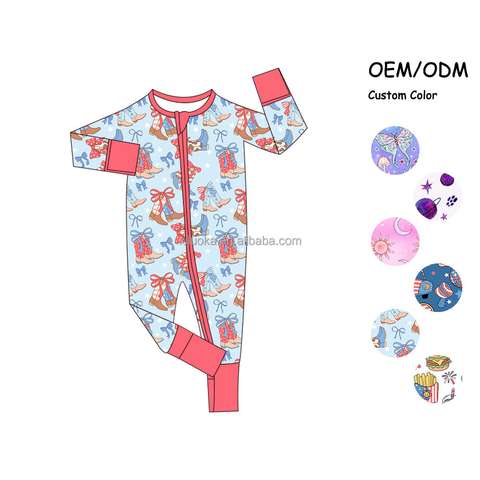
Knitting and Weaving Machines
For fabric formation, circular knitting machines and flatbed knitting machines are widely used in the production of baby bamboo textiles. These machines determine the weave and density of the fabric by fine-tuning parameters like stitch length, yarn insertion, and tension.
Jet-looms and air-jet weaving machines, often employed for high-density applications, generate consistent and uniform textures. This precision ensures that the end product meets hypoallergenic and comfort standards for infants.
| Fabric Type | Organic Bamboo |
| Compliance | ASTM F963 |
| Customization | Private Label |
| Lead Time | 32 Days |
Sustainability and Hypoallergenic Benefits
One of the biggest market advantages of baby bamboo fabric is its eco-friendly and hypoallergenic properties. Bamboo is a regenerative resource that grows rapidly without the need for pesticides, making it environmentally sustainable. , bamboo fabric exhibits natural antibacterial and antifungal properties, reducing allergen exposure for sensitive skin.
To conserve resources during manufacturing, water-efficient dyeing and finishing processes have become conventional. For example, jet-dyeing machines, which recycle water and minimize chemical usage, are increasingly being adopted by manufacturers targeting eco-conscious markets.
Challenges in Baby Bamboo Fabric Production
Despite its advantages, baby bamboo fabric production faces several challenges. Among them are process optimization issues, material costs, and achieving perfect consistency.
Material Costs and Processing Complexity
Bamboo’s transition from plant to fabric can be cost-prohibitive, especially when using mechanical processing methods. Although the chemicals required in some alternative production methods are less expensive, they also create environmental concerns. This poses a challenge for manufacturers aiming for cost efficiency without compromising on sustainability.
Ensuring Softness vs. Longevity
Manufacturers face a constant balancing act between achieving ultra-soft textures and maintaining the fabric’s durability. High-density weaves offer more longevity but may compromise the signature softness. This requires highly specialized machinery and advanced quality-testing protocols.
Regulatory Compliance
Because baby bamboo fabric is predominantly used for infants, it must comply with strict safety standards, such as Oeko-Tex Standard 100 and USDA organic certifications. Comprehensive testing, including flammability, chemical residue, and tensile strength, is essential, adding to the overhead cost and production timelines.
Final Thoughts: A Partnership in Precision and Quality
Baby bamboo fabric is an exceptional textile solution for sensitive applications, particularly in the infant care market. With a focus on optimizing GSM, maintaining ideal fabric density, and utilizing state-of-the-art industrial machinery, manufacturers can produce a product that meets the stringent requirements of comfort, durability, and safety. By ensuring precision and sustainability at every step — from raw material extraction to final product quality — businesses can create bamboo textiles that stand out in an increasingly eco-conscious market.
For B2B buyers and textile manufacturers, investing in advanced machinery and technical expertise is the first step toward capitalizing on the booming bamboo textile market. By understanding the fabric’s technical characteristics and the machinery involved, companies have the potential to achieve industry-leading results and build lasting trust with their customer base.