Cpsia Compliant Baby Fleece Romper Cpc Certified Supplier
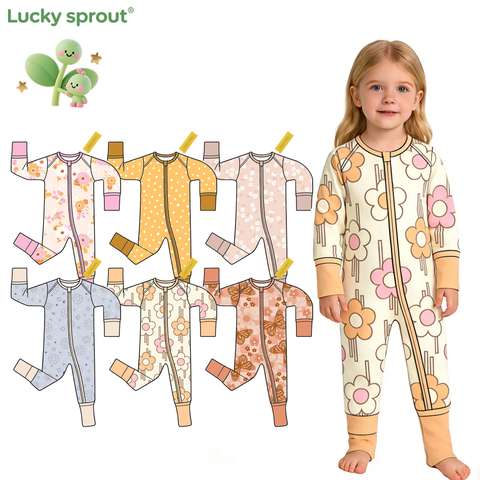
Understanding Baby Fleece Rompers Through Industrial Design
When producing baby fleece rompers, fabric quality, proper machinery, and precise technical specifications become critical for delivering premium products. These soft, warm, and durable garments require a robust manufacturing process to meet industry expectations efficiently. This article delves into the specifics of fabric density, GSM (grams per square meter), and industrial machinery involved in creating high-quality baby fleece rompers at scale.
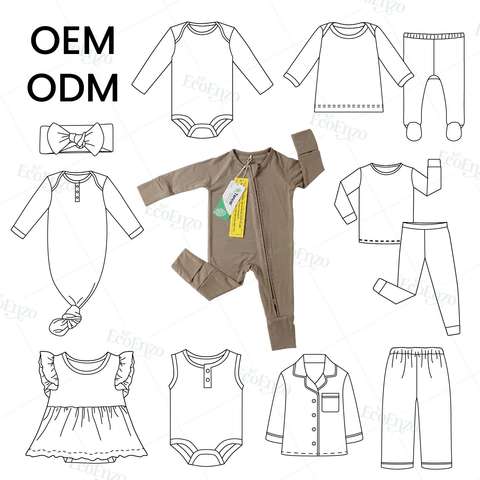
Fabric Density and GSM in Baby Fleece Rompers
The quality and performance of baby fleece rompers largely depend on the fabric's GSM and density. These metrics determine how soft, cozy, and durable the romper will be, while also dictating the efficiency of manufacturing processes.
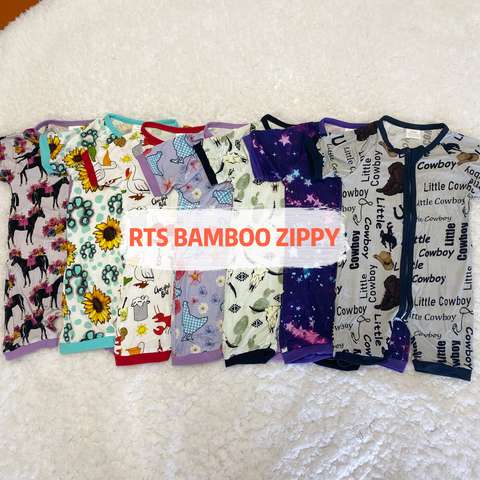
What Is GSM and Why Is It Important?
GSM, or grams per square meter, measures the fabric weight and density. This specific metric is pivotal when designing baby fleece rompers, as it directly impacts the garment's warmth, durability, and comfort. For fleece rompers, a GSM range between 180 and 280 is typically recommended. Lower GSM ranges result in thinner, more lightweight fabrics, while higher GSM signifies thicker, warmer materials. Striking the right GSM balance ensures softness and thermal insulation without adding unnecessary bulk to the garment.
Analyzing Fabric Density
Fabric density refers to the number of fibers and threads tightly packed into the material. High-density fabrics are robust and less prone to tearing or pilling. This is particularly crucial for baby products like fleece rompers, which need to withstand frequent washing and movement. Manufacturers often combine high-density weaves with mid-to-high GSM fabrics to ensure the garments offer both longevity and comfort.
Material Selection Based on GSM and Density
For baby fleece rompers, materials like brushed polyester or poly-cotton blends are frequently used due to their soft hand feel, moisture-wicking properties, and durability. When selecting materials, the GSM and density ratios should complement the end-user's requirements. For instance, mid-weight fleece fabrics with a GSM of around 200-240 provide the ideal balance of breathability and warmth for infants.
Industrial Machinery Involved in Manufacturing
To produce baby fleece rompers at scale, precision-engineered industrial machinery comes into play. From fabric creation to assembly, a variety of specialized tools ensure efficiency and consistent quality. Below, we examine some key machinery used in the process.
Knitting and Weaving Machines for Fleece Fabric
Fleece fabrics are most commonly produced using circular knitting or warp knitting machines. Circular knitting machines create seamless tube-like fabrics, while warp knitting provides enhanced structural stability. For baby fleece rompers, the fabric can be pre-treated with brushing machines that elevate the fibers, creating the iconic soft and fluffy feel.
Cutting Machines for Precise Pattern Shapes
Once the fleece fabric rolls are ready, automatic cutting machines or CNC cutters are utilized to shape the garments according to standardized patterns. Laser cutters, in particular, offer high precision, ensuring minimal fabric waste and perfect pattern alignment.
Sewing and Stitching Automation
Fully automated sewing machines, including overlock and flatlock machines, are widely deployed for joining fleece panels. These machines are configured to handle thick or layered fabrics, like baby fleece rompers, without creating puckering or uneven seams. Reinforced stitching is often applied to high-stress areas, further ensuring product longevity.
Quality Inspection Machines
Modern quality inspection systems equipped with cameras and sensors play an integral role in ensuring every unit meets stringent quality standards. These systems can detect imperfections in stitching, uneven dyeing, or defects in fabric consistency. For baby rompers, quality assurance is non-negotiable, given the sensitive nature of infant skin and buyer expectations.
Design and Comfort Considerations for Baby Fleece Rompers
While the machinery and fabric specifications form the backbone of production, the design process prioritizes comfort and practicality. Features like snap closures, flexible stitching, and safety considerations all contribute to the efficacy of the final product.
Optimal Stitching for Comfort
Skin-friendly seams are essential for baby fleece rompers. Soft inner linings and flatlock stitching ensure that the garment feels smooth against sensitive skin, reducing the likelihood of irritation. The double-needle stitching technique is another popular choice, as it adds durability without sacrificing softness.
Eco-Friendly Dyes and Finishes
Given the growing demand for sustainable baby products, manufacturers often use eco-friendly dyes and finishes. These minimize harmful chemical residues while ensuring vibrant and long-lasting colors. Pre-shrinking processes and anti-pilling finishes extend the garment's lifespan, providing added value to buyers.
Ergonomic Design for Ease of Use
Ergonomics is another key factor in romper design. Features like wide openings, snap closures, and non-slip grips are integrated to make dressing and undressing babies faster and more efficient. Additionally, elastic cuffs and hems ensure the romper fits snugly without restricting movement.
Application of Automation in Fleece Romper Manufacturing
Industrial automation has revolutionized romper production, ensuring speed and accuracy while reducing labor costs. Automated systems not only increase throughput but also maintain strict uniformity in the manufacturing process.
Robotics in Cutting and Sewing
Robotic systems can be programmed to perform precision tasks such as cutting fleece fabric or sewing intricate patterns. These systems reduce human error, ensuring patterns meet the exact tolerances specified in the product design.
Smart Machinery with IoT Integration
Many modern manufacturing plants use IoT-enabled robots and sensors to track every step of the production process. This setup provides real-time data on fabric stretch, seam alignment, and batch quality. For large-scale baby fleece romper production, such systems ensure consistency and reduce waste.
Energy-Efficient Machinery and Sustainability
B2B clients today are keen on adopting sustainable practices. The use of energy-efficient machinery reduces the carbon footprint of the manufacturing process. Several manufacturers now utilize recycled fabrics or biodegradable materials to align with green initiatives without compromising on product quality.
| Fabric Type | Pima Cotton |
| Compliance | ASTM F963 |
| Customization | Tailor-made |
| Lead Time | 31 Days |
The production of baby fleece rompers is a complex yet rewarding process, blending technical precision with comfort-focused design. The interplay of GSM, fabric density, and advanced machinery determines product quality and customer satisfaction. In an era driven by automation and sustainability, manufacturers must constantly adapt to meet industry demands while optimizing efficiency. Understanding these technical intricacies ensures robust business-to-business partnerships and a strong foothold in the textile industry.