Oem Baby Long Sleeve Romper Oekotex 100 Oem
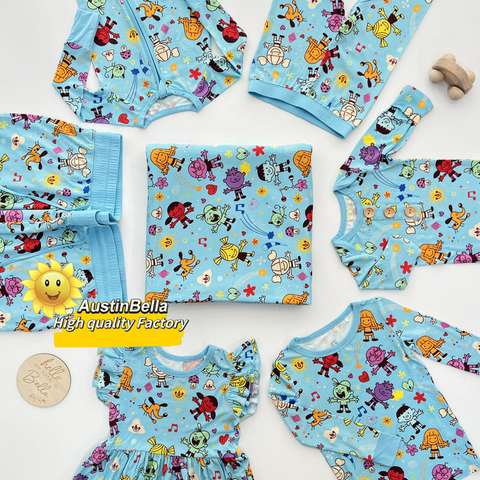
The Role of GSM and Fabric Density in Baby Long Sleeve Romper Design
When it comes to producing baby long sleeve rompers, the focus is not only on style or appearance but also on technical specifications that ensure comfort, durability, and sustainability. Two crucial factors that manufacturers must prioritize are GSM (grams per square meter) and fabric density. These parameters directly influence the quality, functionality, and performance of the product. In this article, we dive into the importance of GSM, fabric density, and industrial machinery in the production of baby long sleeve rompers.
Understanding GSM: Grams Per Square Meter
GSM is a critical measurement in textile manufacturing. It quantifies the weight of fabric per square meter, providing insights into the fabric's thickness and durability. For baby clothing, including long sleeve rompers, the GSM plays an essential role in balancing softness and sturdiness.
When designing rompers, a GSM in the range of 180–220 is typical for baby garments that require a medium-weight fabric. A low GSM (100–150) is often unsuitable for long sleeve rompers due to insufficient insulation and durability. Conversely, a GSM exceeding 250 could make the romper too heavy or inflexible, affecting the baby's comfort and limiting ease of movement.
The type of fabric matters as well. For example, cotton jersey or interlock fabrics with a GSM range of around 190–210 achieve the perfect balance of breathability, stretchability, and support. Additionally, GSM affects manufacturing processes, such as stitching and hemming, as higher GSM fabrics require more robust machinery settings like increased needle tension or reinforced threads to handle the fabric structure effectively.
The Importance of Fabric Density for Baby Wear
Fabric density refers to the number of threads or yarns per square inch of fabric. It is a measure of the tightness of the weave or knit, influencing the durability, softness, and moisture-wicking properties of the material. Baby long sleeve rompers require high-density fabrics to ensure superior comfort, protection, and longevity.
For knitted rompers, interlock knit is a preferred choice due to its inherently higher density compared to single jersey knits. This creates a smoother surface on both sides of the fabric, which is gentle on a baby’s sensitive skin. For woven rompers, densely woven cotton with a thread count of over 200 tends to provide both strength and softness.
, high-density fabrics are less prone to pilling, which is critical for maintaining the romper’s appearance after multiple wash cycles. From a functional perspective, higher density also enhances the fabric's thermal properties, making it ideal for long sleeve rompers designed for colder months. The interplay of GSM and fabric density allows manufacturers to fine-tune the textiles to achieve the desired product quality and customer satisfaction.
Selecting the Right Fabrics for Baby Long Sleeve Rompers
The significance of choosing appropriate fabrics for baby rompers goes beyond technical specifications. Babies have delicate skin that is prone to irritation, making material choice critical. Both the GSM and fabric density are combined with factors such as breathability, elasticity, and ease of maintenance to select the most suitable fabrics for a particular design.
Popular Fabric Choices
1. Organic Cotton: Organic cotton is a preferred choice in baby romper manufacturing due to its natural softness, hypoallergenic properties, and sustainability. With a GSM typically around 190–220, interlock organic cotton provides enhanced durability and comfort. Additionally, its renewable production process is an excellent selling point for brands targeting eco-conscious consumers.
2. Bamboo Blends: Bamboo fabric is gaining popularity in the baby apparel market owing to its moisture-wicking and breathable properties. Fabrics combining bamboo with cotton, with an appropriate GSM and high thread density, ensure comfort while enhancing durability.
3. Cotton-Spandex Blends: To improve stretchability and provide better fitting, manufacturers often incorporate spandex or elastane into cotton fabrics. A GSM range of 180–200 with high elasticity ensures seamless movement for active babies while retaining the romper’s shape and fit.
Quality Control Processes
Once fabrics are selected, quality control becomes essential. Key tests are performed to verify GSM compliance, shrinkage rates, colorfastness, and thread integrity. Testing determines the robustness of how fabrics fare under stress, especially since baby rompers are subject to constant washing and drying cycles. By maintaining strict controls, manufacturers can ensure consistent quality and promote brand trust among clients in the B2B apparel industry.
Leveraging Industrial Machinery in Romper Manufacturing
To achieve a high-quality baby long sleeve romper that meets both commercial and consumer standards, textile manufacturers rely on advanced industrial machinery. Automation and precision tools streamline production, improve consistency, and enhance efficiency, enabling businesses to scale production while controlling costs.
Key Machines Used in Romper Production
The manufacturing of baby rompers requires multiple machinery types that align with different stages of the process:
1. Fabric Cutting Machines: Laser or die fabric cutting machines ensure precise cutting of patterns with minimal waste. For baby clothing, accurate cutting is critical to ensure that design components such as sleeves, pockets, and collars align perfectly during assembly.
2. Sewing Machines: Highly specialized industrial sewing machines equipped with features such as programmable stitching, elastic insertion tools, and serging capabilities make stitching infant wear seamless. Twin-needle lockstitch and overlock machines are often used in producing rompers for robust seam construction.
3. Heat Press and Sublimation Machines: For design embellishments, heat press machinery is employed to transfer aesthetic elements, like patterns or logos, onto the fabric. Sublimation printing is favored for baby apparel since it is non-toxic, durable, and does not compromise the fabric texture.
Advanced Technologies in Romper Manufacturing
Leading manufacturers are adopting cutting-edge technologies to stay competitive and sustainable in today’s market. Machines integrated with artificial intelligence (AI) and robotics minimize errors and optimize efficiency:
1. AI-Driven Quality Inspection: Advanced inspection systems powered by machine learning can detect inconsistencies in GSM, fabric density, stitching, or print quality. This ensures that all rompers meet stringent quality benchmarks before reaching distributors.
2. Robotic Sewing Systems: Automation in sewing minimizes human error and increases speed without sacrificing quality. Modern robotic sewing units can handle intricate challenges such as attaching delicate snaps or cuffs to long sleeves.
3. 3D Fabric Simulation: Before production begins, many companies utilize 3D fabric simulation software to optimize materials according to GSM and density specifications. This ensures production accuracy and streamlines development time for new designs.
Sustainability and Future Innovations in Baby Clothing
As the global textile industry shifts toward greater sustainability, manufacturers of baby long sleeve rompers are at the forefront of adopting eco-friendly practices. From using organic fibers to reducing water usage in dyeing processes, sustainability has become a non-negotiable part of the B2B textile landscape.
Eco-Friendly Material Innovations
1. Recycled Fibers: Recycling post-consumer waste into yarns used for rompers is gaining momentum among environmentally conscious manufacturers. These fabrics often come with a lower carbon footprint compared to virgin materials.
2. Natural Dyes: The switch to natural dyes derived from plants minimizes harmful chemical usage. Modern dyeing technologies have made it possible to achieve vibrant colors while adhering to safety and environmental guidelines.
| Fabric Type | Pima Cotton |
| Compliance | OEKO-TEX 100 |
| Customization | Private Label |
| Lead Time | 36 Days |
Energy-Efficient Machinery
Industrial machinery is evolving with sustainable features such as improved energy efficiency, reduced water consumption, and solar-powered systems. Brands are now prioritizing machinery that aligns with their sustainability goals, ensuring customers receive eco-friendly products.
Customizable Features for Unique Branding
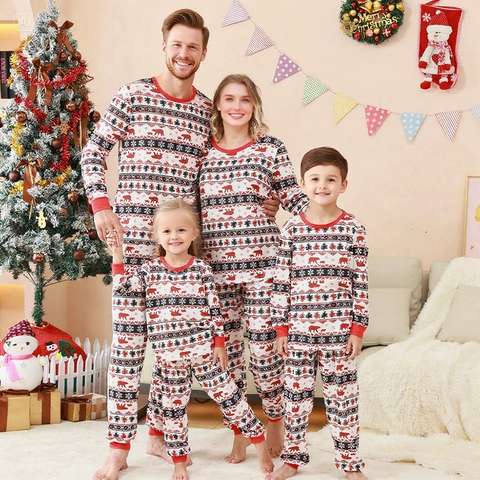
Another developing trend is the use of highly flexible machinery that supports small-batch, customized production. Batch flexibility allows brands to offer tailored designs to their B2B clients, such as embroidery, monogramming, or specialized motifs, without altering the base production workflow.
Producing high-quality, comfortable, and durable baby long sleeve rompers requires an in-depth understanding of textile science and industrial machinery. By focusing on the ideal GSM and fabric density, manufacturers can create products that cater to both the sensitive needs of babies and the demands of quality-driven businesses. Additionally, advancements in technology and an emphasis on sustainability provide unprecedented opportunities for innovation and growth in the baby apparel market.
Ultimately, manufacturers that prioritize these technical aspects while embracing sustainability and automation will not only meet industry standards but also set themselves apart as leaders in the B2B textile space. The future of baby romper production lies in continually refining processes to deliver superior quality garments that satisfy evolving consumer expectations.