Oem Custom Baby Clothes Oekotex 100 Vendor
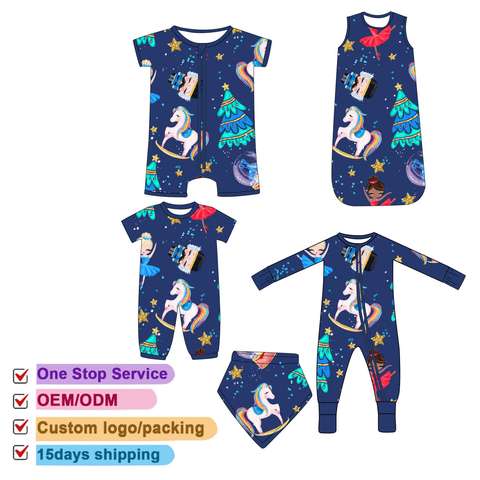
Engineering Excellence in Custom Baby Clothes: How GSM, Fabric Density, and Machinery Play Key Roles
Custom baby clothes are more than mere fabrics stitched into tiny outfits. Behind every piece is meticulous engineering that ensures the garment is not only comfortable but also safe, durable, and perfectly customized for the client’s needs. Factors such as GSM (grams per square meter), fabric density, and industrial machinery determine the quality of these garments. In this article, we’ll delve deep into how these technical aspects impact custom baby clothes production and how modern industrial machinery is shaping the future of this market.
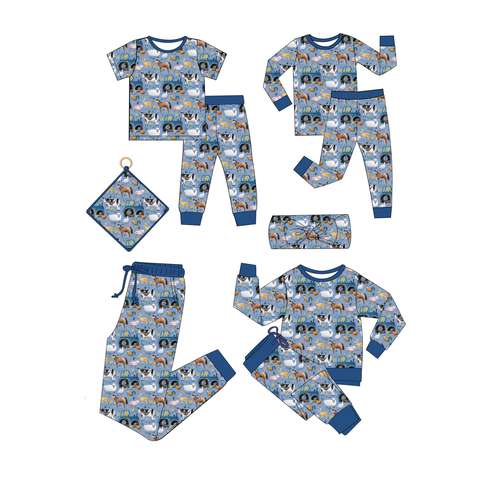
Understanding GSM and Its Impact on Baby Clothes
GSM, or grams per square meter, is a primary technical parameter when it comes to fabric selection. In the context of baby clothes, GSM determines not only the weight but also the feel, durability, and comfort of the material. Choosing the wrong GSM can lead to issues such as restricted movement for the baby or fabric that is too coarse for their delicate skin.
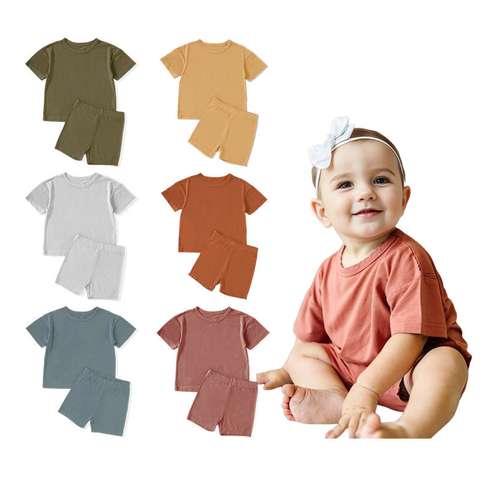
For baby garments, the ideal GSM range is typically between 120 and 220. Here’s a breakdown of what different GSM levels offer:
- 120-150 GSM: These lightweight fabrics are ideal for summer baby clothes like onesies and rompers. They allow breathability while being soft and gentle.
- 160-180 GSM: A medium-weight category, suitable for year-round wear. These are versatile for T-shirts, pajamas, and bodysuits.
- 190-220 GSM: Heavier fabrics perfect for winter wear. Often used for fleece-lined clothes or premium knit garments.
The choice of GSM is driven by end-use requirements as well as personal preferences for texture and drape. Ensuring proper GSM also has implications for durability, as lighter fabrics may be prone to wear and tear, whereas excessively heavy fabrics could cause discomfort.
Fabric Density and Its Role in Functionality
Fabric density, often measured alongside GSM, reflects the tightness of the weave or knit structure. In baby clothes manufacturing, fabric density is critical for achieving the right balance between breathability and insulation. High-density fabrics are tighter and more durable but may trap heat, making them ideal for colder months. Low-density fabrics prioritize airflow and moisture wicking, suitable for warmer climates.
Here’s how fabric density influences key characteristics of custom baby clothes:
- Safety: High-density fabrics reduce the risk of snagging and unraveling, ensuring the garment is safer for active babies.
- Comfort: Low-density fabrics provide a softer feel and are less restrictive, ensuring ease of movement.
- Customization: Embroidery, printing, and other customizations are better achieved on medium- to high-density textiles, as they offer more structural integrity to hold the design.
When planning fabric density, manufacturers must also evaluate shrinkage and stretchability. Baby garments often undergo frequent washing, making the resistance to deformation a key consideration in the production process.
Industrial Machinery: The Backbone of Precision and Efficiency
The production of custom baby clothes wouldn’t be feasible without the role of advanced industrial machinery. Specialized machines shorten production time, enhance precision, and make diverse customizations possible. Below, we explore the machinery that drives the baby apparel sector:
- Circular Knitting Machines: Used to create a seamless knit fabric, this machinery forms the foundation for producing soft, elastic babywear such as onesies and leggings. The ability to control tension and density ensures high quality.
- Automatic Cutting Machines: Cutting accurately to minute dimensions is critical for baby clothes to avoid material wastage and design flaws. Laser-guided cutters and die-cutting equipment are commonly used for scaling down designs to baby sizes with extreme precision.
- Sewing and Seaming Machines: For intricate details like stretchable seams, lock stitches, or overlocking, automated sewing machines enable efficient production while maintaining durability and safety for delicate fabrics.
- Printing Machines: Custom designs, whether screen-printed or digitally applied, demand reliable fabric printing tools. Direct-to-garment (DTG) printers facilitate high-resolution designs that maintain their vibrancy even after multiple wash cycles.
- Finishing Machines: Post-production washing, drying, and treatment with softeners further enhance the feel and quality of the garment. Steam ironing and folding machines prepare the clothing for retail or distribution.
By integrating such machinery into the production line, manufacturers achieve consistency, faster turnaround times, and greater customization flexibility. Automation also reduces the error margin, which is particularly crucial for fulfilling bulk orders with specific design requirements.
Market Demands Driving Customization in Baby Clothes
Customization is at the heart of the babywear industry. Parents nowadays prioritize personalization, seeking unique patterns, designs, or even logos on their baby’s clothing. Let’s examine a few key trends shaping the demand:
- Sustainable Fabrics: Organic cotton and bamboo fabrics with eco-certifications are highly sought after. These materials adhere to strict safety and environmental standards, ensuring that baby clothes are as gentle on the earth as they are on the skin.
- Advanced Printing Techniques: Custom graphics, names, and themed designs are increasingly popular. For instance, heat-transfer techniques using vinyl and sublimation printing have been widely adopted.
- Adaptive Manufacturing: As demand increasingly trends toward one-of-a-kind products, manufacturers are relying on agile production systems that allow flexible batch sizes and varied designs without increasing costs significantly.
To address such needs, many manufacturers employ CAD (computer-aided design) software to pre-visualize designs before finalizing production. This reduces waste and increases accuracy when customizing baby clothes.
| Fabric Type | Organic Bamboo |
| Compliance | ASTM F963 |
| Customization | Bespoke |
| Lead Time | 38 Days |
Future Outlook for Custom Baby Clothes Manufacturing
The intersection of advanced materials, cutting-edge machinery, and changing consumer behavior signals a growing market for personalized baby apparel. Innovations in sustainability, 3D knitting, and AI-driven automation are poised to redefine how baby clothes are designed, manufactured, and consumed.
For manufacturers supplying to businesses, continuous improvement in fabric technologies and machinery can provide a competitive edge. Additionally, staying aligned with eco-friendly production practices not only attracts more clients but aligns with global drives for sustainability.
The future of custom baby clothes lies in the synergy between high-performance fabrics, efficient manufacturing processes, and the creative customization that parents desire. Whether through using lighter GSM fabrics for summer wear or high-density materials for winter gear, manufacturers must continue leveraging technical innovations to deliver high-quality products at scale.
Custom baby clothes manufacturing is a highly technical and rewarding field, requiring precise engineering inputs at every stage. GSM and fabric density are critical factors that influence the function and feel of baby clothes, while industrial machinery provides manufacturers with the ability to meet customization demands on a broad scale. With increasing consumer awareness around sustainability and customization, the industry is expected to grow and evolve even further.
By embracing modern machinery and engineering practices, businesses can position themselves for success in this ever-demanding market. Partnering with the right suppliers and utilizing advanced technology will be pivotal to achieving excellence and customer satisfaction in the custom babywear sector.