Oem Kids Christmas Pajamas Astm F963 Factory
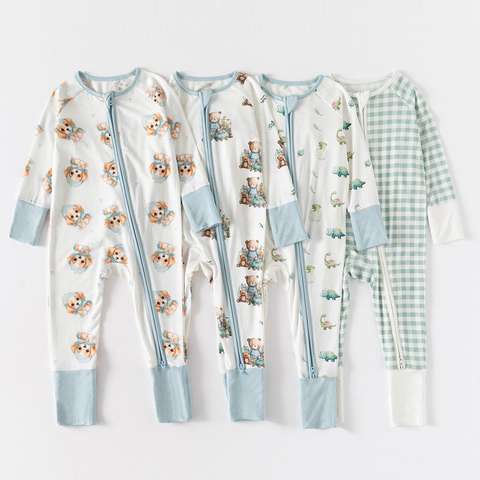
Exploring GSM and Fabric Density in Kids Christmas Pajamas
The holiday season brings many opportunities for businesses to capitalize on consumer demand for themed clothing and apparel, particularly kids' Christmas pajamas. While the market for these products thrives in seasonal cycles, engineering precision in fabric manufacturing and garment production plays a critical role in delivering high-quality products that not only meet aesthetic expectations but also provide durability and comfort. This article delves into the importance of GSM (grams per square meter), fabric density, and industrial machinery in creating premium kids' Christmas pajamas for B2B applications.

Understanding GSM: The Backbone of Fabric Quality
Grams per square meter, or GSM, is a standard metric for measuring fabric weight and density. For kids' Christmas pajamas, GSM is a crucial determinant of quality—it affects both the tactile experience and durability of the garment. GSM serves as a quantifiable means for evaluating the weight and suitability of flat textiles used in apparel production. Typically, kids’ pajamas demand GSM ranges between 120-200 to balance comfort and durability, though seasonal applications (such as thermal wear for colder climates) may push GSM above this range.
A good GSM range for kids’ Christmas pajamas ensures the fabric is thick enough to provide warmth during winter yet light enough to remain breathable during extended wear. Additionally, maintaining a controlled GSM range is vital for bulk manufacturing, where consistency between batches and rolls of fabric is critical for quality assurance. Manufacturers often use specialized machinery for GSM monitoring, including digital fabric density analyzers and automated weighing systems.
Fabric Density and Its Impact on Comfort
Fabric density is another key influencing factor, particularly when designing clothing for young children. It refers to the number of fibers or yarns present in a specific area of fabric, usually calculated per square inch or square centimeter. Dense fabrics may offer enhanced thermal insulation but can also compromise breathability. Thus, striking an optimal balance between density and weight is crucial for kids’ apparel.
In the textile industry, fabric density for kids' Christmas pajamas often involves weaving or knitting patterns to achieve specific characteristics. Cotton flannel and microfleece are popular choices due to their softness and insulating properties. However, buyers and manufacturers should also consider fiber blending, where synthetic additions like polyester are combined with natural fibers to enhance durability and wrinkle resistance. Industrial knitting or weaving machinery, such as circular knitting machines and shuttle looms, plays an essential role in ensuring the desired fabric density during large-scale production.
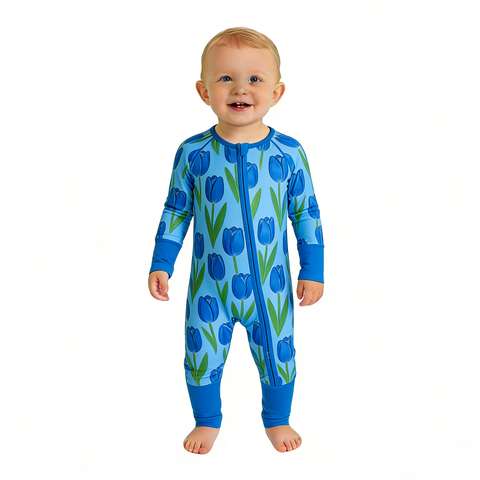
Industrial Machinery and Efficient Production Techniques
The role of industrial machinery in the creation of kids’ Christmas pajamas cannot be overstated. From fabric production to garment assembly, various engineering marvels streamline processes to ensure efficiency, precision, and scalability for B2B clients. Here, we explore machinery applications across different stages of production.
Fabric Manufacturing
The first step in producing kids’ pajamas lies in fabric manufacturing, which largely depends on the type of material selected for the product. Cotton-based fabrics, common in holiday-themed pajamas, require advanced spinning and weaving machines to create high-quality yarns. Automated ring-spinning machines are particularly valuable for cotton-based products due to their speed and ability to produce fine yarn.
Post-spinning, fabrics undergo weaving or knitting to achieve the desired weight and density. Industrial circular knitting machines are heavily utilized to produce soft and stretchy textiles like jersey-knit cotton blends. Conversely, shuttle looms are essential for creating tightly woven fabrics, like flannel, used in thicker winter-themed pajamas.
Fabric Processing and Finishing
After fabric production, processing and finishing operations ensure the material is prepared for garment construction. This stage involves coloration, printing, and other treatments that give kids' Christmas pajamas their festive designs. Dyeing machines and rotary screen printers are widely employed to apply patterns and colors to the fabric. These machines excel at achieving consistency across thousands of meters of material, a necessity for large-scale production.
Additionally, fabric finishing machinery adds features such as anti-pilling, wrinkle resistance, and water repellency. These treatments, while optional, are often demanded by retailers and wholesalers to improve product appeal. Advanced finishing machines utilizing heat-transfer technology or chemical coatings enhance the fabric's functionality while preserving its softness.
| Fabric Type | Pima Cotton |
| Compliance | ASTM F963 |
| Customization | ODM |
| Lead Time | 37 Days |
Garment Assembly
Once the fabric is prepared, it enters the garment assembly phase, where technology dominates the process. Industrial sewing machines equipped with programmable patterns streamline stitching operations. Programmable sewing systems help maintain uniformity and precision, especially for intricate designs common in kids’ Christmas pajamas, such as snowflakes, reindeer, and Santa motifs.
Laser cutters and automated fabric spreaders further assist in minimizing waste by accurately cutting fabric to specifications. In addition, overlock sewing machines (sergers) implement strong seam finishes to enhance garment durability, making them suitable for active children. Robotics also play a growing role in garment assembly, particularly in folding, packaging, and labeling, which improves productivity for bulk orders.
Sustainability Considerations in Kids Pajama Manufacturing
As manufacturing practices evolve, sustainability is becoming an increasingly significant focus for B2B buyers, especially in the textile industry. Producing eco-friendly kids' Christmas pajamas involves careful consideration of materials, processes, and energy consumption. Organic cotton is a preferred choice among environmentally conscious brands, as it minimizes pesticide usage and water pollution.
On the machinery front, energy-efficient models reduce operational emissions while maintaining high throughput. Dyeing machines with recycling capabilities, for instance, allow manufacturers to conserve water during the coloration process. Similarly, digital textile printers optimize ink usage, lowering environmental waste during pattern production.
The adoption of renewable energy sources and initiatives, like green building construction for production facilities, further bolsters the sustainability profile of manufacturers. Offering eco-friendly products can give brands and wholesalers a competitive edge in the highly saturated market of kids’ holiday pajamas.
Engineering excellence in fabric GSM, density, and industrial machinery plays a pivotal role in producing premium kids' Christmas pajamas. From achieving optimal fabric weight and texture to leveraging cutting-edge machinery for garment production, the technical backbone of the industry ensures comfort, durability, and aesthetic appeal in every product. For B2B buyers, partnering with manufacturers who prioritize precision and sustainability can lead to better customer satisfaction and long-term success. The holiday season provides a perfect opportunity to see engineering and creativity come together, delivering joy to children and parents alike through thoughtfully crafted festive apparel.