Private Label Bamboo Baby Zip Romper Bamboo Pajamas Oem Supplier
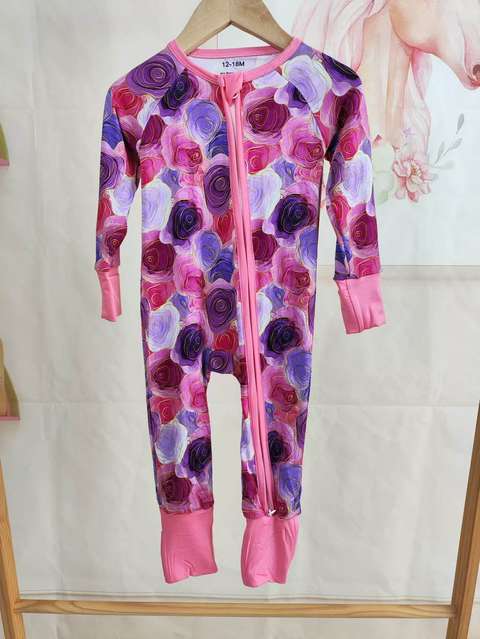
The Engineering Behind Bamboo Baby Zip Rompers & Bamboo Pajamas
The demand for bamboo baby zip rompers and bamboo pajamas is soaring, fueled by their sustainable production, ultra-soft texture, and hypoallergenic properties. Manufacturing such high-quality, eco-friendly garments requires a combination of specialized fabric engineering and precise industrial practices. This article dives deep into the technical intricacies of these products, focusing on GSM (grams per square meter), fabric density, and the cutting-edge machinery behind their production.
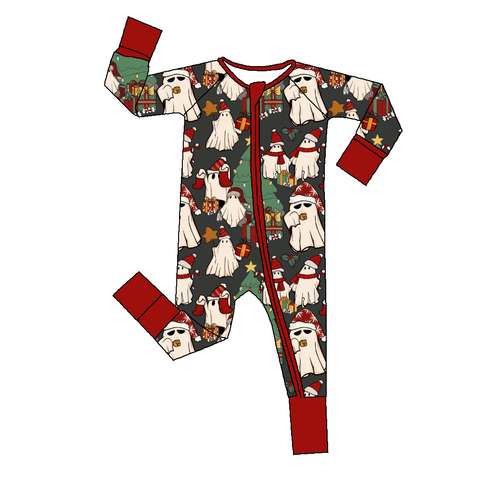
Understanding GSM and Its Role in Bamboo Fabric Quality
GSM, or grams per square meter, is a critical metric that allows manufacturers to quantify fabric weight and density. In bamboo textiles, determining the ideal GSM is essential for balancing softness, breathability, and durability in baby products.
For bamboo baby zip rompers and pajamas, the typical GSM range lies between 180 and 250. A GSM of 180 creates a lightweight fabric suitable for warmer climates, while a GSM closer to 250 offers a denser, more insulating material—ideal for colder environments. Striking the perfect GSM depends on multiple factors, including customer preference, end-use scenarios, and production costs.
Bamboo fabric’s fiber structure plays a major role here. Bamboo is made from long, smooth fibers, which contribute to its silky texture and high durability even at lower GSM levels compared to cotton or synthetic materials. Specialized GSM testing devices equipped with highly sensitive sensors ensure precise weighing of the fabric to meet industrial standards.
Fabric Density: Balancing Softness and Durability
Fabric density refers to the compactness of the fibers within the material, another essential quality to ensure comfort and longevity. In the case of bamboo baby zip rompers and bamboo pajamas, maintaining the ideal density is particularly important since these garments are worn by infants and toddlers. High density can enhance durability, but overly dense fabrics risk limiting breathability and natural stretch, critical for a baby’s comfort during active movements or sleep.
Fabrics with balanced density—achieved through the alignment of ultra-fine bamboo fibers—excel in tensile strength without sacrificing their softness. , heat and moisture absorption testing ensures that the fabric density supports hypoallergenic properties and thermal regulation. These criteria are monitored using advanced spectrometry tools and computerized knitting or weaving systems in industrial production.
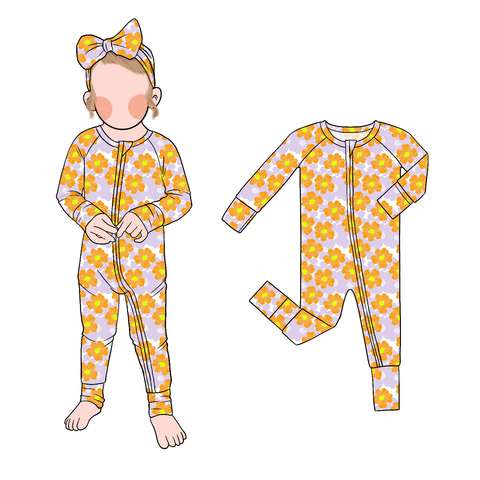
The Industrial Machinery Driving Bamboo Textile Manufacturing
Producing bamboo fabrics for baby zip rompers and pajamas involves high-precision industrial machinery designed to handle bamboo’s unique fiber structure. Below are key stages in manufacturing and the equipment that ensures top-notch results:
Machinery for Bamboo Processing
The journey begins with bamboo stalks, which are treated to extract cellulose. Industrial degumming and enzymatic treatments in closed-loop systems are essential to break down bamboo into a viscose-like pulp. These systems are meticulously calibrated to reduce chemical usage, upholding the sustainability of bamboo fabric production. Automated conveyor belts and shredding machines ensure consistent pulp output to meet GSM and density standards.
Knitting & Weaving Machines
Once bamboo fibers are processed into yarn, precision knitting or weaving machines come into play. Circular knitting machines are widely used to create the soft, stretchable fabric preferred for baby zip rompers and pajamas. These machines allow manufacturers to adjust fabric density and stretch properties with remarkable accuracy. Weaving machines, on the other hand, are highly beneficial when high tensile strength is prioritized. Both systems incorporate advanced tension monitors and auto-correction features for enhanced quality control.
Dyeing and Finishing Machines
Since bamboo fabrics are available in natural tones, additional coloring processes often require dyeing. State-of-the-art circular dyeing machines ensure uniform color application. Modern eco-friendly dyeing systems reduce water consumption and minimize chemical runoff, aligning with the sustainability mission of bamboo-based products. Post-dyeing, finishing machines apply softeners and antibacterial treatments to preserve the hypoallergenic and odor-resistant qualities of bamboo fabric. These systems are equipped with UV and infrared sensors for precision application.
Cutting and Stitching Machines
One of the final steps in producing bamboo baby rompers and pajamas involves cutting and stitching. Automated cutting machines use CAD (Computer-Aided Design) patterns to optimize fabric utilization and reduce material waste, essential for cost-effective production. Sewing machines equipped with overlock and flatlock stitch functionalities are critical for creating seamless, irritation-free babywear. The combination of high-speed stitching mechanisms and ergonomic designs improves production efficiency while maintaining meticulous attention to detail.
Why Bamboo Textiles Are Winning in the Babywear Market
The engineering expertise that goes into the production of bamboo baby rompers and pajamas is matched by their unique textile advantages. Key features such as anti-microbial properties, moisture-wicking abilities, and inherent breathability make them highly sought after in the babywear market. Consider these benefits in technical detail:
Thermoregulation Capabilities
Due to its microstructure, bamboo fabric naturally exhibits thermoregulatory properties. Its hollow fibers trap warm air in cold conditions, offering insulation, while allowing greater ventilation when it’s hot. Thermal imaging tests are often used during quality control to ensure fabrics perform as expected under simulated temperature variations.
| Fabric Type | Pima Cotton |
| Compliance | CPSIA Compliant |
| Customization | Tailor-made |
| Lead Time | 29 Days |
Moisture Management
Bamboo fabric absorbs moisture up to three times more effectively than cotton, making it ideal for babies who sweat during sleep or are prone to spills. Through wear trials and moisture regain tests, industrial designers measure absorption rates, ensuring the fabric meets market needs.
Eco-Friendly and Sustainable Attributes
The appeal of bamboo baby clothing lies largely in its eco-friendliness. The industrial conversion of bamboo into fabric requires significantly lower amounts of water compared to cotton. Additionally, modern closed-loop production systems mitigate environmental impact by recycling resources such as water and chemicals. Certifiable sustainability has become a vital selling point in B2B collaborations, and bamboo manufacturers capitalize on this by adhering to international sustainable certification standards, like OEKO-TEX and GOTS.
Hypoallergenic and UV Resistance
Bamboo fabrics are known for being naturally hypoallergenic, thanks to their inherent resistance to dust mites, mold, and bacteria. This is particularly essential in creating babywear that doesn’t irritate sensitive skin. Additionally, bamboo contains UV-blocking properties, protecting delicate baby skin from harmful UV rays. Advanced ultraviolet spectrometry tests are utilized during the manufacturing phase to measure and verify UV resistance in bamboo textiles.
Innovations in Machinery and Future Trends
Industrial machinery for bamboo fabric production is evolving rapidly. From automated AI-controlled knitting systems to IoT-enabled monitoring tools, the integration of technology is reducing production time and elevating product quality.
Additionally, the shift toward waterless dyeing technology and biobased finishes is accelerating sustainability. For example, stringently monitored enzymatic treatments and biodegradable finishing agents are replacing legacy chemical-intensive processes. , advancements in smart textiles are setting the stage for bamboo fabrics to incorporate sensors, creating interactive babywear like temperature-regulating zip rompers.
This drives the competitiveness of bamboo babywear in both domestic and global markets, offering textile manufacturers new opportunities to scale eco-conscious operations. The ongoing advancements also directly benefit B2B buyers in terms of cost-effectiveness and sustainability metrics, creating a win-win scenario.
Producing bamboo baby zip rompers and bamboo pajamas is a technologically intensive endeavor that requires precision at every stage—from controlling GSM and fabric density to managing advanced industrial machinery. These products offer an array of unparalleled benefits, making them a favorite in the babywear market. As technology and practices evolve, the possibilities for improving both product quality and environmental sustainability are boundless. For manufacturers and suppliers alike, investing in the engineering and machinery behind bamboo fabrics is an essential step toward meeting future market demands and staying ahead of the curve.