Oem Summer Baby Clothing Odm Supplier
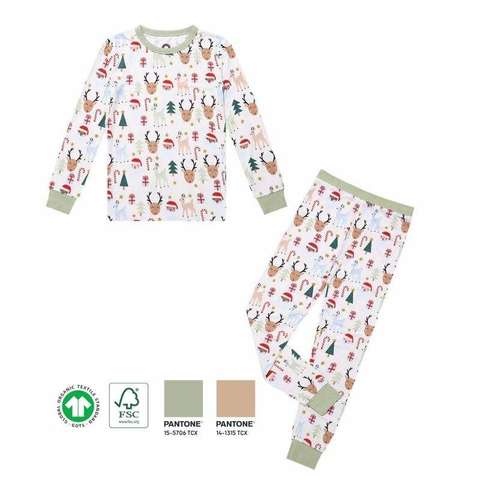
The Role of GSM and Fabric Density in Summer Baby Clothing
When producing summer baby clothing, one critical consideration revolves around the fabric's weight and density. A consistent metric used by textile and garment engineers is GSM, which stands for “Grams per Square Meter.” This unit helps determine fabric weight and influences factors such as breathability, comfort, and durability—key elements for designing babywear suited for hot climates. In this article, we’ll explore GSM, optimal fabric densities, and how industrial machinery can ensure precision and scalability in manufacturing exceptional summer babywear.
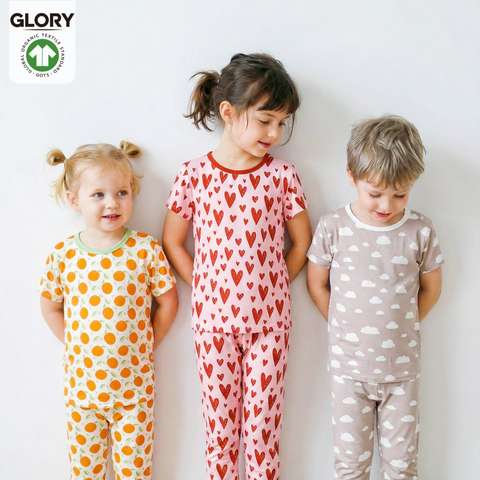
Understanding GSM and Its Importance
GSM is a technical measurement used to assess the weight of fabric and is a defining parameter for determining suitability for various applications. In baby clothing, particularly for summer wear, ensuring a low but balanced GSM is crucial. Typically, lightweight fabrics with a GSM in the range of 140 to 200 are ideal for summer babywear. This range provides sufficient breathability while maintaining fabric durability.
For summer climates, textiles such as cotton and bamboo blends, which generally fall in this GSM range, are optimal. Their lighter weights promote airflow, wick moisture efficiently, and keep a baby's skin cool and dry. Fabric engineers must carefully adjust GSM values to ensure that the garment is neither too fragile nor too dense, striking the optimal balance between function and durability.
Fabric Density: An Overlooked Factor
Beyond GSM, fabric density plays a pivotal role in the performance of summer baby apparel. Fabric density refers to the tightness of the weave or knit of the textile. A denser weave might provide greater durability but would compromise breathability, while a looser weave enhances airflow but risks a reduction in structural integrity.
For summer baby clothing, woven fabrics with medium-to-low density must be engineered to ensure airflow while providing adequate UV protection. Industrial-grade machinery equipped with advanced knitting or weaving technology can achieve precise density levels for various fabric types. Using automated systems, manufacturers can configure machinery to scale production while maintaining ideal density specifications for baby garments.
Industrial Machinery: Achieving Precision and Consistency
The mass production of baby summer clothing necessitates the application of high-precision industrial-grade textile machinery. Winding, weaving, cutting, and stitching systems must operate in sync, producing garments that consistently match desired GSM and density requirements.
- Knitting and Weaving Machines: Circular knitting machines, used for jersey or interlock fabrics, make it possible to control the density of each knit. Meanwhile, shuttle-less weaving machines are utilized for producing lightweight, low-density woven summer fabrics.
- Computerized Fabric Inspection: Quality control systems integrated with fabric inspection machines assess GSM and ensure consistency throughout rolls of fabric, especially important in babywear.
- CNC Cutting Machines: Once the fabric is finalized, CNC cutting machines ensure precise cuts with minimal waste, reducing inefficiencies common in pattern cutting.
By leveraging such machinery, manufacturers can ensure accuracy and consistency in fabric weight and density, two factors critical to baby clothing that meets both safety and comfort standards.
Top Fabric Considerations for Summer Babywear
Engineers working on new designs for summer babywear must evaluate fabric properties meticulously. Certain materials and blends exhibit superior characteristics under summer conditions. Below, we explore key textile choices and their alignments with GSM and fabric density expectations.
Natural Fabrics
Organic cotton and bamboo fiber are two of the most popular choices for summer babywear. Both materials possess natural breathability and moisture-wicking abilities. They also reduce skin irritation, a critical factor when designing clothing for sensitive baby skin. Depending on the final weave, these fabrics can achieve GSM ratings between 120 and 180, perfect for lightweight designs.
Blends and Synthetic Additives
Manufacturers often incorporate small percentages of elastane (spandex) into naturally derived fabrics to enhance stretchability and fit, especially for baby garments such as rompers and bodysuits. These blends must not exceed 5-10% elastane so as not to compromise breathability. Advanced machinery allows for uniform blending, maintaining the desired GSM and maintaining structural integrity within garments.
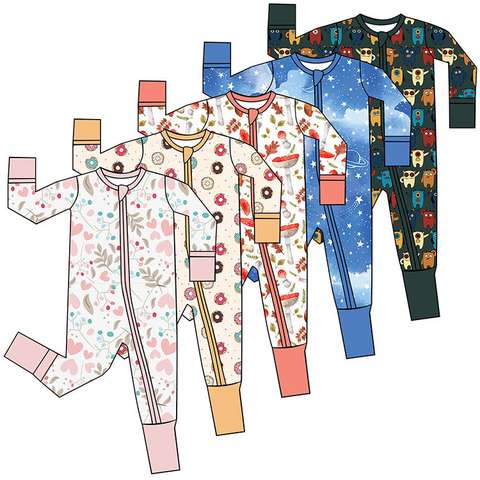
UV Protection Fabrics
UV-blocking babywear is increasingly in demand. Advanced engineered textiles can provide UPF (Ultraviolet Protection Factor) ratings by using tighter weaves or integrating chemical coatings. Industrial looms can adjust thread placement during weaving to achieve a tighter weave that does not compromise weight. For summer baby clothing, this solution benefits from GSM values in the range of 170 to 200—low enough to remain cool yet dense enough to block harmful rays.
Scalable Solutions for Summer Babywear Production
Developing scalable production processes for summer babywear requires combining material science expertise, advanced industrial equipment, and efficient assembly line practices. Key solutions include fabric standardization, environmentally friendly practices, and adaptability in machinery setups.
Fabric Standardization
Consistent GSM and density specifications ensure scalability in textile production. Implementing strict workflows and leveraging software-controlled machinery facilitates uniform material characteristics regardless of production volume. For babywear, minimizing fabric variance is even more important due to the precise tolerances required for small garment sizes.
Environmentally Friendly Operations
Parents are increasingly seeking sustainable and eco-friendly products for their children, making environmental compliance a priority for babywear manufacturers. Energy-efficient industrial machinery—such as high-speed knitting machines and dyeing equipment designed to minimize water waste—can lower the ecological footprint associated with production.
Modular Machinery Adaptability
Flexibility in ad-hoc garment design production is achieved by employing modular machinery setups. Computer Numerical Control (CNC) systems enable real-time changes to production equipment settings, allowing manufacturers to adapt quickly to changes in fabric design, weight, or density specifications without causing downtime.
| Fabric Type | Pima Cotton |
| Compliance | OEKO-TEX 100 |
| Customization | Custom |
| Lead Time | 37 Days |
Final Thoughts: Engineering the Future of Summer Baby Clothing
The intersection of technical expertise, machinery innovation, and material science forms the foundation of successful summer baby clothing manufacturing. Prioritizing lightweight fabrics with low to medium GSM ranges, optimal density parameters, and environmentally conscious production practices ensures that the end-product aligns with consumer expectations of comfort, safety, and sustainability.
By leveraging advanced industrial machinery, manufacturers can achieve precision, consistency, and scalability without sacrificing quality, resulting in babywear that meets both technical requirements and the emotional demands of parents. For engineers and manufacturers alike, the right engineering solutions optimize babywear production for the summer season and beyond.