Key Considerations for Manufacturing Winter Baby Rompers
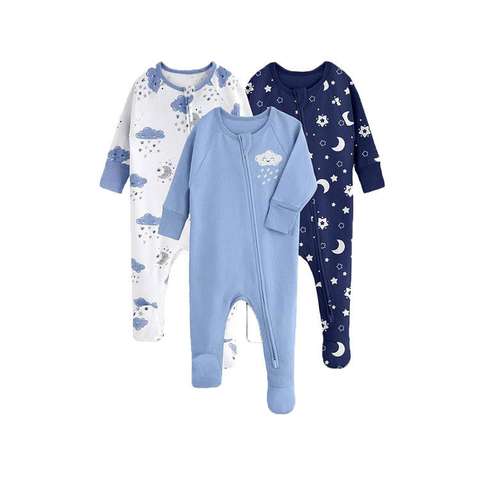
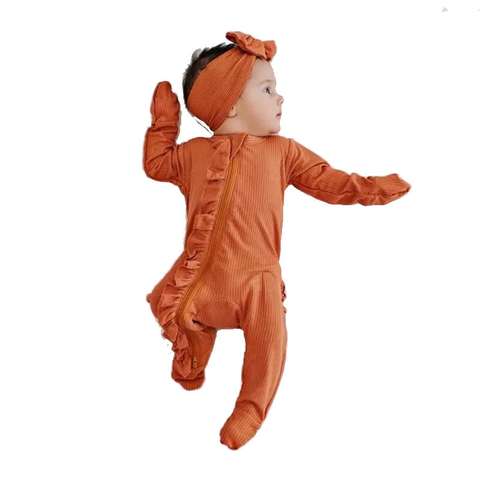
Winter baby rompers are a popular product in the apparel industry, offering warmth, comfort, and safety during colder months. For manufacturers, producing premium-quality baby rompers involves balancing multiple factors such as fabric density, GSM (grams per square meter), material type, and the use of efficient industrial machinery. This article delves into the technical aspects of creating winter baby rompers, focusing on their key performance characteristics and how cutting-edge manufacturing techniques make a difference.
The Importance of GSM and Fabric Density in Winter Baby Rompers
Fabric density and GSM are critical parameters in determining the thermal insulation, durability, and quality of winter baby rompers. 1. Understanding GSM GSM, or grams per square meter, quantifies the weight and density of fabric. For winter baby rompers, the ideal GSM typically ranges between 180 and 320, depending on the type of fabric used. A higher GSM signifies a thicker, heavier fabric that provides better warmth – essential for keeping infants comfortable during colder months. However, GSM must strike a technical balance to avoid making the romper too heavy or bulky for a baby to move in. 2. Fabric Density Fabric density refers to the number of fibers woven together within a specific area of fabric. Denser fabrics contribute significantly to warmth retention and are less permeable to cold air. While fleece and jersey knits are commonly used for their soft and smooth texture, other high-density materials like brushed cotton and polyester blends offer additional benefits, such as moisture-wicking properties and durability. Manufacturers need to select fabrics with appropriate GSM and density based on their target demographics and climate conditions of the market region.
Optimal Fabric Choices for Winter Baby Rompers
The selection of fabric is a cornerstone in ensuring efficiency and customer satisfaction when producing baby rompers. Below is a deeper technical insight into some frequently used materials: 1. Organic Cotton Organic cotton is a popular choice for baby clothing as it is gentle on delicate skin and hypoallergenic. For winter rompers, brushed organic cotton with a GSM of 200-250 offers the perfect balance between functionality and comfort. Manufacturers should opt for double-knitted weaves or interlock construction to improve insulation while retaining cotton's breathable properties. 2. Fleece Fleece fabrics, often made from polyester, are lightweight yet highly effective in trapping warmth. Polar fleece with a GSM of 200-300 is particularly suited for winter baby rompers. Its high fiber density ensures thermal insulation, while its moisture resistance makes it an excellent option for active toddlers. Additionally, fleece is machine-washable, adding to its appeal in the babywear market. 3. Microfiber Blends Microfiber blends combining synthetic and natural fibers offer an innovative solution for modern winter baby rompers. These blends are known for their high GSM and soft texture. By optimizing fiber composition, manufacturers can create rompers that are both lightweight and exceptionally warm.
Industrial Machinery for Winter Baby Romper Production
Modernizing production processes relies heavily on choosing the right industrial machinery. Below are technologies that drive efficiency and precision in winter baby romper manufacturing: 1. Fabric Knitting and Weaving Machines To achieve the desired GSM and density, precise knitting and weaving machines are essential. Flatbed and circular knitting machines are particularly useful for creating double-knit fabrics, interlocks, and fleeces. Advanced machines equipped with servo control systems enable manufacturers to produce fabric with uniform GSM, ensuring consistent quality. 2. Cutting and Layering Machines Automated cutting and layering equipment is critical for mass-producing winter baby rompers. Laser cutting machines and high-speed fabric spreaders ensure pattern accuracy while reducing material wastage. Patterns can be pre-programmed into these machines, allowing for customizable romper designs in various sizes and styles. 3. Sewing and Seam Sealing Technologies Seam reinforcement is especially significant in winter baby rompers to trap warmth and prevent drafts. Sewing machines with integrated seam sealing or overlocking functionalities provide precision and durability. Flatlock sewing machines are beneficial for creating smooth, irritation-free seams – an essential feature in baby clothing. 4. Embroidery and Accessory Attachment Machines To enhance the aesthetic appeal of winter baby rompers, manufacturers often integrate embroidery work or attach decorative buttons and zippers. Robotic embroidery machines, supported by CAD-CAM software, can handle intricate designs while maintaining high repeatability. Similarly, ultrasonic bonding machines can be used for attaching Velcro fasteners or zippers without damaging delicate fabrics.
Thermal Insulation and Lining Techniques
Thermal insulation is a defining feature of winter baby rompers. While primary fabric choices like fleece and brushed cotton contribute significantly, additional lining techniques can further improve the romper's performance during extremely cold temperatures. Quilting Lining Quilted lining, constructed using layers of fabric stitched together with a thermal insulating material such as microfiber or synthetic down, enhances a romper's warmth. Machines specializing in automated quilting can simultaneously manage multiple fabric layers, ensuring efficiency and consistency in design. Bonded Membranes Technical textiles with bonded membranes offer exceptional windproof and waterproof characteristics. Manufacturers can incorporate these membranes into rompers for use in harsher climates. Laminating machines equipped with hot-melt technology are frequently employed to integrate these membranes into base fabrics. Laminated Interlayers Laminated interlayers, often composed of lightweight foams or fiber fills, are another excellent option for improving thermal insulation. Manufacturers should consider these interlayers where additional warmth is desired without significantly increasing fabric weight or bulk.
Meeting Safety and Regulatory Standards
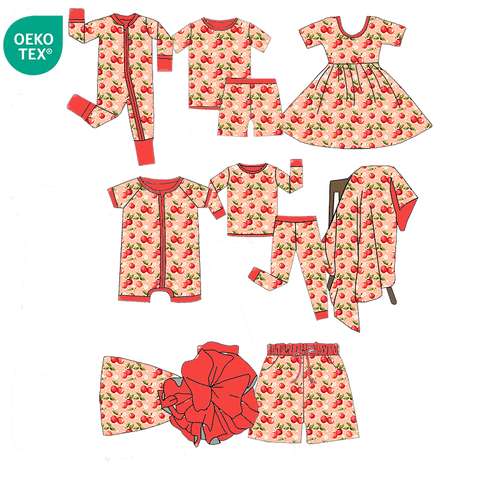
Safety remains a top concern when manufacturing baby products, particularly for winter rompers. Adhering to industry regulations and certifications ensures product reliability and builds customer trust. 1. OEKO-TEX Standard 100 Certification Winter baby rompers should meet OEKO-TEX Standard 100 certification, which guarantees that fabrics are free from harmful substances. Manufacturers must carefully source raw materials and conduct regular testing at every stage of production to meet this standard. 2. Flammability Standards In regions like the United States, flammability standards for children’s sleepwear are heavily regulated. Winter rompers that double as sleepwear must be made from flame-resistant materials. Choosing fibers treated with flame-retardant chemicals – or intrinsically flame-resistant fabrics – can ensure compliance with these safety norms. 3. Choking Hazard Prevention All embellishments, fasteners, and zippers must be securely attached to prevent any choking hazards. Using ultrasonic bonding technology or reinforced stitching can safeguard such components while improving durability.
Eco-Friendly Practices in Winter Baby Romper Production
With increasing demand for sustainable babywear, manufacturers need to adopt environmentally responsible practices and materials. 1. Sustainable Fabric Sourcing Using organic materials like GOTS-certified cotton or recycled polyester reduces environmental impact. Many manufacturers are incorporating bamboo fibers due to their renewable nature and inherent softness. 2. Energy-Efficient Machines Implementing energy-efficient knitting, sewing, and cutting machinery can minimize the carbon footprint of production facilities. Advanced equipment with low waste motor technologies further promotes sustainability. 3. Waste Management Fabricating winter baby rompers may produce trimming and cutting waste, which can be repurposed or recycled into textile composites. Adopting closed-loop manufacturing techniques ensures minimal industrial waste.The production of winter baby rompers is a multifaceted process requiring attention to GSM, material selection, industrial machinery, and thermal features. By leveraging advanced technologies, ensuring compliance with safety standards, and adopting sustainable practices, apparel manufacturers can produce high-quality rompers that meet market demands effectively. Continuous investments in state-of-the-art machinery and eco-friendly solutions will remain critical for companies aiming to lead the babywear industry in the years to come.