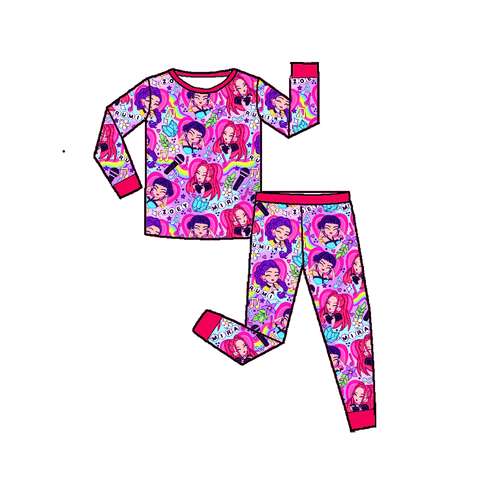
Private Label Bamboo Fiber Girl Romper Cpc Certified Wholesale
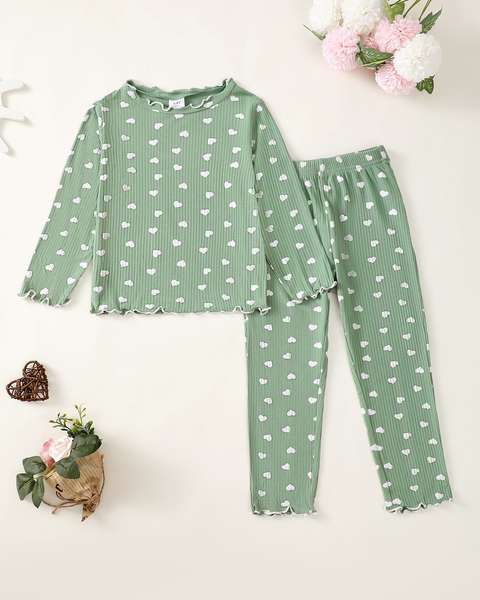
Understanding Bamboo Fiber Girl Rompers from an Engineering Perspective
The textile industry is continuously expanding into sustainable materials, with bamboo fiber emerging as a key contributor. Bamboo fiber girl rompers, prized for their softness, breathable nature, and eco-friendliness, have gained considerable traction in recent years. This article delves deeply into the technical aspects surrounding bamboo fabric production, including GSM (grams per square meter), fabric density, and the industrial machinery required for large-scale manufacturing.
What Makes Bamboo Fiber a Standout Material?
Bamboo fiber derives from the pulp of bamboo plants, offering a host of benefits such as high absorbency, natural antibacterial properties, and exceptional softness. Its eco-friendly properties— its rapid growth rate and absence of the need for fertilizers—make it a sustainable choice for modern textile production.
Key Characteristics of Bamboo Fiber Girl Rompers
Bamboo fiber girl rompers are designed for comfort, sensitivity to skin, and adaptability to various climates. These characteristics stem from the material composition and the methodologies employed during manufacturing. Below, we explore their technical nuances:
Thermal Regulation
Bamboo fibers possess micro-holes and micro-gaps, enabling superior moisture absorbency and breathability. For manufacturers, selecting the right GSM is essential to balance thickness, thermal properties, and wearability.
Anti-Bacterial Properties
Bamboo fabric's innate resistance to bacteria makes it particularly suitable for baby wear, including girl rompers. During production, care must be taken to preserve these properties, as chemical treatments could diminish their effectiveness.
Eco-Friendliness
Bamboo plants require minimal water and grow rapidly without harmful pesticides, making bamboo fiber a sustainable option. Manufacturers should weigh these environmental benefits when deciding on textile production processes.
GSM: Balancing Softness and Durability
GSM (grams per square meter) is a critical factor for textile engineers in optimizing fabric weight and thickness. For bamboo fiber rompers, maintaining an ideal GSM is vital for combining softness, strength, and comfort.
Determining the Ideal GSM for Baby Wear
Baby rompers typically range between 150–200 GSM, ensuring the fabric remains lightweight, breathable, yet durable enough for active usage. Bamboo fiber’s inherent nature as a soft and pliable material aligns naturally with this GSM range.
Industrial Machinery for GSM Testing
Specialized industrial equipment such as GSM cutters and digital fabric balances play a crucial role in testing bamboo fabric during the early production stages. Ensuring consistency across batches is vital for manufacturers aiming to meet quality standards.
Fabric Density and Its Influence on Romper Design
Fabric density refers to the tightness of the textile weave, impacting durability, breathability, and texture. Bamboo fiber girl rompers typically aim for moderate density to maintain flexibility while retaining structural integrity.
Weave Types for Bamboo Fiber
Common weave structures include plain weave or twill weave, depending on aesthetic and functional design requirements. Plain weaves achieve softness and airiness, while twill weaves lend added durability and resistance to tearing.
Density Testing in Industrial Applications
Advanced machinery, such as fabric analyzers, can measure thread count, ensuring optimal weave density for bamboo rompers. Maintaining alignment between density standards and final production goals enhances fabric quality and product longevity.
Industrial Machinery for Bamboo Fiber Production
The move towards automation has transformed the textile industry, enabling efficient bamboo fiber-to-fabric conversion. Every stage, from fiber extraction to garment construction, relies on state-of-the-art machines engineered for precision.
| Fabric Type | Pima Cotton |
| Compliance | OEKO-TEX 100 |
| Customization | ODM |
| Lead Time | 18 Days |
Fiber Processing Machinery
Bamboo pulp is processed into viscose before spinning into yarn. Industrial-grade cellulose spinning machines ensure uniform yarn characteristics, critical for producing high-quality girl rompers.
Weaving and Knitting Machines
The fabric construction stage requires advanced knitting and weaving machinery capable of accommodating bamboo’s unique softness and strength. Computerized looms facilitate intricate weave patterns while improving production speed.
Finishing Equipment
Bamboo fiber's final fabric undergoes processes for dyeing, washing, and finishing. Modern dyeing vessels and washing machines utilize eco-friendly methods to preserve bamboo’s antibacterial qualities and minimize chemical waste.
Challenges and Considerations for Manufacturers
Manufacturing bamboo fiber girl rompers involves unique challenges, particularly in preserving bamboo's natural properties and meeting sustainability benchmarks.
Raw Material Procurement
Obtaining high-quality bamboo pulp requires a reliable supply chain. Engineers and procurement teams must vet raw material sources rigorously for sustainability compliance.
Machinery Adaptability
Unlike conventional fabrics, bamboo requires specialized equipment fine-tuned for its delicate texture. Manufacturers face additional costs for machinery upgrades but benefit from the long-term quality of bamboo garments.
Sustainability and Energy Efficiency
Energy-efficient machines and eco-friendly practices are essential for aligning production with global sustainability goals. Innovations in industrial machinery can minimize waste and reduce carbon footprints during large-scale manufacturing.
From fabric density and GSM to industrial machinery, the technical aspects surrounding bamboo fiber girl rompers demand meticulous attention within textile manufacturing. Engineers and manufacturers must collaborate closely to leverage bamboo’s unique properties for optimal fabric quality and garment design. With advancements in industrial processes and growing consumer demand for sustainable materials, bamboo fiber represents a promising frontier in the textile industry.