Private Label Autumn Baby Rompers Gots Organic Factory
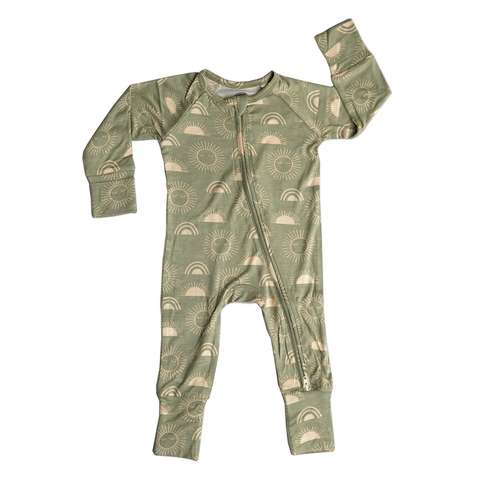
Maximizing Quality in Autumn Baby Rompers
As autumn approaches, baby rompers dominate the seasonal children's clothing market. Businesses aiming to provide high-quality products must understand the technical aspects influencing their production. This article unpacks the significance of GSM (grams per square meter), fabric density, and advanced industrial machinery in manufacturing autumn baby rompers tailored for comfort, warmth, and durability. These engineered factors play a critical role in delivering optimal results for bulk production and satisfied customers.

Understanding GSM: Grams Per Square Meter
Grams per square meter (GSM) is a critical metric in textile manufacturing as it determines the weight and thickness of a fabric, directly impacting the comfort and functionality of baby rompers during autumn’s chilly conditions. For autumn baby rompers, GSM typically falls within the range of 200 to 300, ensuring sufficient warmth while maintaining breathability to prevent overheating.
Selecting the appropriate GSM requires balancing weight and comfort. High GSM fabrics, such as fleece and quilted cotton, are particularly effective in providing thermal insulation for babies during colder temperatures. On the other hand, moderate GSM fabrics such as interlocked cotton are lighter but remain effective for layering. For manufacturers, understanding this balance ensures that rompers are not only warm but adapted for the delicate skin and mobility of infants.
The Role of Fabric Density and Durability
Fabric density defines how tightly threads are woven or knitted together, contributing to both the strength and texture of baby rompers. Dense fabrics provide high durability and resistance to wear, which are valuable features for a piece of clothing subjected to multiple washes and daily use.
In the case of baby rompers, manufacturers often utilize fabrics with a thread density between 120 and 180 threads per inch for a balance of durability and softness. Fabrics such as cotton spandex blends and brushed fleece benefit from this density range, offering flexibility and thermal efficiency without compromising comfort.
Increasing fabric density not only enhances the structural integrity of baby rompers but also contributes to better printing and dyeing results. For businesses investing in custom designs or branding on their baby rompers, dense fabric ensures sharper graphics and vibrant patterns, crucial for aesthetic appeal in the competitive markets for children’s wear.
The Intersection of Fabric and Industrial Machinery
Modern industrial machinery plays a vital role in producing baby rompers that meet stringent quality standards while ensuring high throughput in B2B workflows. Automated knitting and weaving machines are pivotal in fabric production, ensuring consistency in GSM and density throughout large batches of textiles. Such machinery eliminates variability, which is essential when manufacturing delicate garments for infants.
Overlock sewing machines, often combined with sergers, are among the most utilized in romper assembly lines. These machines reinforce seams by trimming and enclosing edges, preventing fraying and enhancing durability—a key feature for baby clothing tested by frequent use and laundering. Smart machinery enables precision stitching on varying fabric thicknesses, adapting automatically to fleece, cotton interlock, or polyester blends without compromising seam quality.
For businesses focusing on customizable rompers, industrial embroidery machines and heat-transfer presses provide opportunities for adding logos, graphics, and branding elements. These machines work best in tandem with fabrics featuring higher GSM and density, ensuring crispness in final designs and reducing the risk of fabric distortion during ornamentation.
Sustainability and Advanced Fabric Technologies
The consumer demand for eco-friendly baby clothing has accelerated innovation in textile manufacturing. For autumn baby rompers, integrating sustainable fabrics such as organic cotton or bamboo fibers has become a priority for many B2B suppliers. These materials are soft, breathable, and meet the rising preference for hypoallergenic products tailored for infant care.
Advanced machinery also contributes to sustainability efforts. Digital fabric printers and automated cutting equipment reduce waste by optimizing material usage and minimizing errors during production runs. , dyeing processes equipped with waterless technology, such as CO2 dyeing machines, offer eco-friendly alternatives that align with both industry regulations and customer expectations for sustainable production.
| Fabric Type | Pima Cotton |
| Compliance | ASTM F963 |
| Customization | Bespoke |
| Lead Time | 17 Days |
Collaborating to Delve Deeper into Quality Production
From GSM considerations to industrial innovations, manufacturing autumn baby rompers is a technically nuanced process requiring collaboration across textile engineers, machinery specialists, and supply chain managers. Investing in the right fabric metrics and integrating cutting-edge machinery ensures that baby rompers can meet fluctuating seasonal demands while adhering to the standards customers expect.