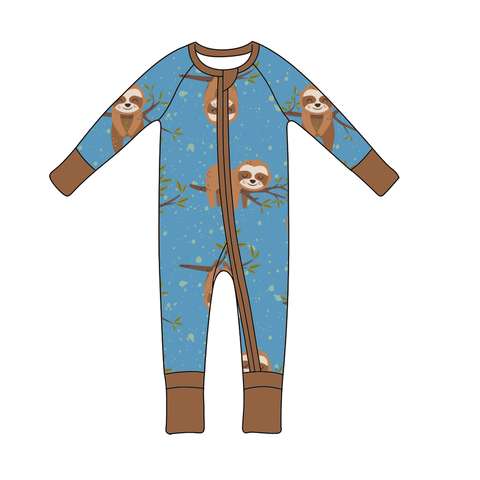
Cpc Certified Long Sleeve Romper Baby Custom Manufacturer
Engineering Precision in Manufacturing Long Sleeve Baby Rompers
In the competitive garment industry, manufacturing babywear, particularly long sleeve rompers, demands technical excellence. Businesses targeting B2B supply chains must address key factors such as fabric density, GSM (grams per square meter), and the sophisticated industrial machinery required for precise production. This article delves into these critical aspects, offering a comprehensive technical guide for businesses seeking excellence in creating long sleeve baby rompers.
The Role of GSM in Creating Quality Baby Rompers
GSM, or grams per square meter, plays a foundational role in the textile industry, particularly for babywear. It measures fabric weight and determines the romper's durability, comfort, and functionality. For baby rompers, optimal GSM is vital for ensuring softness without compromising structural integrity.
For long sleeve baby rompers, a typical GSM range is 140-200 gsm. A lighter fabric (140-160 gsm) is suitable for warmer climates or summer collections, offering breathability and comfort for the baby's delicate skin. In contrast, a heavier GSM range (180-200 gsm) is used for winter rompers, providing warmth and added thickness. Balancing GSM with fabric type, such as cotton or organic blends, is critical to achieving a final product that matches consumer needs.
Fabric Density: A Key Metric for Babywear Comfort
Fabric density reflects the closeness of the yarns in a woven or knitted fabric. For babywear like long sleeve rompers, it is directly related to softness, durability, and air permeability. Maintaining an appropriate fabric density is essential to ensure the romper’s comfort and longevity without making it too stiff or rough for newborns and toddlers.
The density must align with the chosen fiber and textile structure. For instance, combed cotton, which undergoes additional processing to remove impurities, offers a more compact weave and is a preferred option in premium baby rompers. Ensuring uniformity in fabric density is a challenge that can be addressed using advanced machinery and stringent quality control processes during production.
The Role of Industrial Machinery in Achieving Consistency
Industrial machinery is the backbone of modern textile manufacturing, and its role is critical when producing high-quality long sleeve baby rompers at scale. Achieving consistency in size, stitching, and fabric handling requires state-of-the-art equipment. Below, we explore specialized machinery used in babywear production:
1. Circular Knitting Machines
Circular knitting machines are commonly used for crafting baby romper fabrics. These machines efficiently produce tubular fabrics, ideal for eliminating side seams in garments for added comfort. Automated circular knitting systems with sensors and GSM monitoring help maintain precise fabric density and weight.
2. Cutting Machines
CNC (Computer Numerical Control) cutting machines ensure accurate and efficient cutting of fabric panels for long sleeve rompers. These machines minimize wastage, maximize productivity, and maintain perfect uniformity across bulk production, reducing manual errors and ensuring quality consistency.
3. Automatic Sewing Machines
Once fabric panels are prepared, automated sewing machines step in to assemble the rompers. These machines integrate lockstitch, overlock, and flatlock processes to produce strong, seamless stitches. Flat seams, in particular, are essential in babywear to prevent irritation on delicate skin.
4. Embroidery and Printing Machines
Baby rompers are often adorned with visually appealing patterns or custom branding. High-precision embroidery machines or digital textile printers enable manufacturers to add designs with precision. Compatibility with bio-based, non-toxic inks is crucial to ensure baby-safe finishes.
| Fabric Type | Pima Cotton |
| Compliance | ASTM F963 |
| Customization | Private Label |
| Lead Time | 20 Days |
Material Selection Drives Comfort and Performance
Material selection holds undeniable importance in creating rompers that are safe, comfortable, and functional. For long sleeve versions, manufacturers often prioritize materials offering breathability and thermal regulation. Let’s explore popular materials used in baby rompers:
1. Organic Cotton
Organic cotton leads the way as the most preferred material for baby rompers. Its natural softness, hypoallergenic properties, and chemical-free processing make it a trusted option for sensitive skin. The production of organic cotton fabric also supports sustainability, a growing demand in the garment industry.
2. Bamboo Fabric
Bamboo fabric, known for its antibacterials and moisture-wicking properties, is becoming increasingly popular. Its lightness makes it suitable for warmer climates, while its eco-friendliness adds value for environmentally conscious brands.
3. Blended Fabrics
Cotton-polyester blends provide the durability of synthetic fibers along with the softness of natural fibers. For winter rompers, cotton-wool blends ensure added warmth and breathability, making them a versatile choice for colder seasons.
Ensuring Compliance and Safety Standards
In babywear manufacturing, compliance with international safety standards is a top priority. Failure to meet these standards can lead to product recalls and tarnished brand reputation. Long sleeve baby rompers must be free of toxic chemicals, feature secure fasteners, and pass rigorous quality checks.
Standards like the OEKO-TEX certification ensure that no harmful substances are used in fabric processing. Additionally, ensuring the absence of small detachable parts in rompers mitigates choking hazards. Manufacturers must carry out stretch, shrinkage, and colorfastness tests to maintain high-quality production standards.
: Engineering Excellence in Baby Romper Manufacturing
From selecting the ideal GSM and fabric density to using advanced industrial machinery, manufacturing long sleeve baby rompers requires precision at every step. By focusing on these technical parameters, businesses can deliver products that meet the highest standards of comfort, safety, and reliability. As the demand for sustainable, high-quality babywear surges, manufacturers equipped with advanced technologies and eco-friendly practices are poised for long-term success in the competitive B2B landscape.