Private Label Bamboo Pajamas Modern Bamboo Custom Supplier
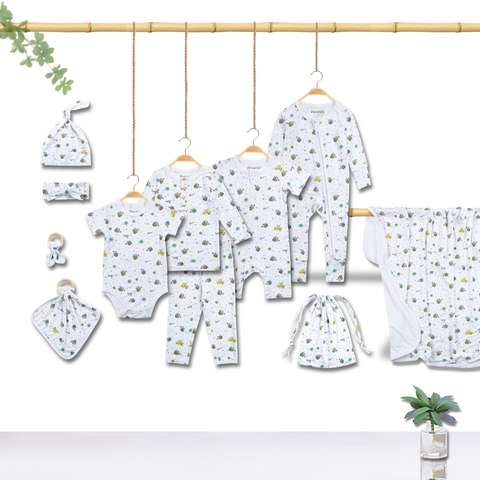
Bamboo Pajamas and the Science Behind Modern Bamboo Fabrics
The textile industry has recently ushered in an era of innovation due to growing demand for sustainable and comfortable fabrics. One of the most remarkable developments is the rise of bamboo pajamas. By combining environmental benefits, performance properties, and technical engineering, bamboo-based textiles are revolutionizing the way we approach sleepwear. This article delves into the technicalities of bamboo pajamas, focusing on GSM, fabric density, and the industrial machinery propelling their evolution.
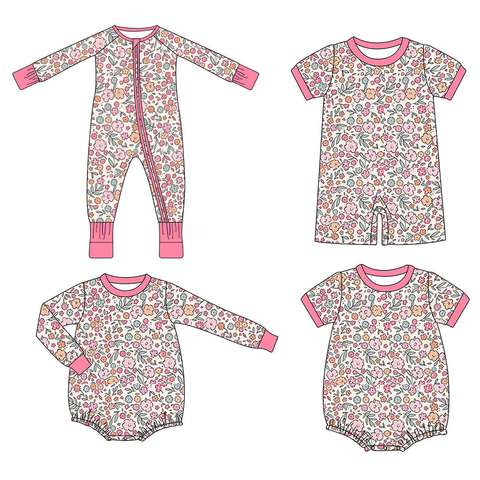
Understanding GSM and Its Role in Bamboo Pajamas
Grams per square meter (GSM) is a critical technical parameter that dictates the quality, weight, and durability of fabrics. In bamboo pajamas, GSM plays a decisive role in balancing comfort and usability. A GSM range from light to medium weight (160–220 GSM) is common for pajamas to ensure softness and breathability while maintaining durability over extended use.
The GSM of bamboo fabric is determined by several factors:
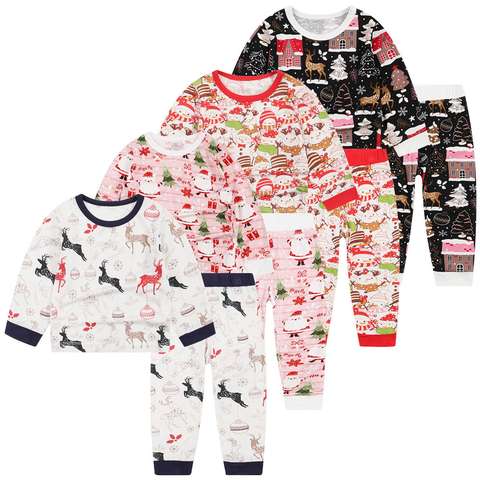
- Fiber Processing: Bamboo fibers are either mechanically extracted (creating bamboo linen, a more rustic version) or chemically converted into viscose rayon. The latter process allows for smoother, lighter fibers, which make for a lower GSM and softer feel.
- Knitting and Weaving Structure: Bamboo pajamas typically feature tightly-knit interlock or jersey fabrics to improve fabric strength while maintaining flexibility and silky comfort. This ensures an optimal balance of breathability and softness without increasing GSM excessively.
- Blends: Bamboo fibers are sometimes supplemented with other fibers like spandex or organic cotton to boost durability, elasticity, and value. The blend ratio impacts the GSM and feel of the fabric.
Choosing the right GSM for bamboo pajamas involves understanding consumer requirements. Lightweight qualities appeal to warm climates, while heavier fabrics may be designed for cooler regions or multi-seasonal use.
The Relationship Between Fabric Density and Comfort
Fabric density goes hand-in-hand with GSM but focuses on the physical arrangement of threads per unit area. While high-density fabrics typically imply more durability and resistance to damage, excessive density can lead to reduced breathability and comfort.
Bamboo-derived fabrics are often crafted with moderate-density configurations, where fibers are precisely positioned to allow adequate airflow while retaining strength. A well-designed bamboo pajama achieves this balance using manufacturing innovation:
- Knitting Machines: Circular knitting machines precisely deliver uniform thread placement, allowing for double-knit structures or variations designed for better elasticity and softness.
- Weaving Techniques: Advanced looms ensure accurate weave patterns that avoid excessive tightening. This is particularly important for mechanical bamboo fiber products where fiber integrity is sensitive to stress.
- Post-Treatment: Softening or mercerization processes are applied to bamboo fabrics to enhance feel while maintaining the desirable properties of its density (e.g., wrinkle resistance).
In summation, fabric density plays a central role in the experience a wearer has with bamboo pajamas, influencing durability, texture, and how the garment interacts with the skin.
Industrial Machinery in Bamboo Fabric Manufacturing
The production of bamboo-based textiles is a multi-step industrial process involving cutting-edge machinery designed for precision, sustainability, and scalability. Below are key stages in manufacturing bamboo pajamas and the machinery behind each:
Fiber Extraction and Pulp Preparation
For chemically processed bamboo fabric (viscose), bamboo is crushed into pulp using industrial defibrators and refiners. In contrast, mechanically processed bamboo linen involves combing raw fibers from stems using traditional crushing machines and mechanical combing tools. This stage determines the foundational quality of the ensuing fabrics.
Fiber Spinning
Once the bamboo pulp or fiber strands are prepared, they enter high-speed spinning machines equipped with advanced tension controls. Modern machinery such as ring-spinning or air-jet spinning systems delivers consistently smooth threads suitable for soft garments like pajamas. The spinning process also determines the tensile strength and fineness of the fabric.
Knitting and Weaving Equipment
The transformation of fibers into fabric begins with industrial knitting or weaving machines. Jacquard looms and electric knitting equipment ensure precision threading, resulting in uniform fabric textures specific to bamboo pajamas:
- Interlock Knitting Machines: These enable symmetrical knit patterns ideal for maximizing stretch and softness.
- Rotary Weaving Systems: For woven bamboo pajamas, rotary machines ensure high-speed, high-consistency production to meet global demands.
Dyeing and Finishing Machinery
Bamboo textiles undergo eco-friendly dyeing processes to maintain sustainability. Continuous dyeing ranges (CDRs) equipped with low-water usage technology are prevalent in reputable facilities. Fabric finishing is then performed using calendaring machines to enhance smoothness, and antibacterial treatments are applied for hygiene and longevity.
Incorporating advanced industrial machinery not only ensures consistent fabric quality but reduces environmental impact—a cornerstone in the appeal of bamboo textiles.
Why Modern Bamboo Textiles Outperform Alternatives
With the rapid shift toward sustainable and high-performance apparel, bamboo fabric has emerged as a favored solution. Bamboo sleepwear offers benefits unattainable with conventional materials such as cotton or synthetic blends:
- Moisture-Wicking Properties: Bamboo fibers are highly absorbent and efficiently wick away sweat during use, enhancing user comfort.
- Hypoallergenic Qualities: Due to the absence of harsh chemicals in its processing, bamboo is ideal for sensitive skin.
- Thermal Regulation: Bamboo fabric ensures natural insulation, keeping wearers cool in summer and warm in winter.
- Eco-Friendliness: Bamboo is a renewable resource with a rapid growth cycle, solidifying its place in sustainable textile solutions.
While competing fabrics bring some of these advantages, bamboo-based solutions integrate them while anchoring their value in sustainability. Efficient GSM measurements combined with optimized fabric density enhance bamboo fabric’s versatility.
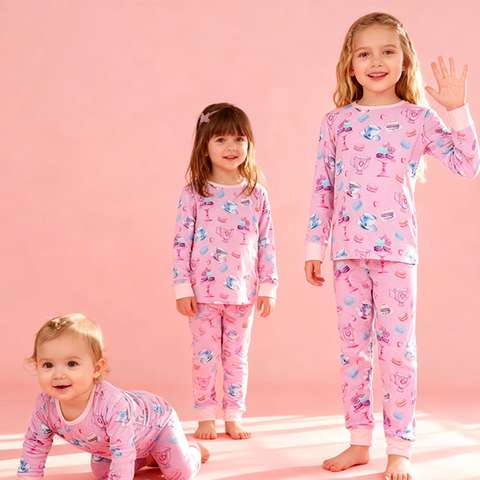
: The Future of Bamboo Pajamas
Bamboo pajamas encapsulate the intersection of science, sustainability, and modern textile innovation. By understanding technical metrics like GSM and fabric density alongside the machinery powering their production, businesses can better appreciate the complexity and value behind these garments. As industrial systems evolve to prioritize eco-conscious methods, bamboo fabrics and their applications in comfort-focused apparel will continue to redefine industry standards.
For manufacturers, investing in advanced machinery and refining processes for bamboo textiles presents an opportunity to remain competitive in a burgeoning market. Similarly, businesses investing in sustainable bamboo-based products can align with shifting consumer preferences while contributing to environmental responsibility.
As the world gravitates toward sustainable, high-performance textile solutions, bamboo textiles are not just a trend—they are the future of comfortable, eco-friendly apparel.
| Fabric Type | Organic Bamboo |
| Compliance | OEKO-TEX 100 |
| Customization | Bespoke |
| Lead Time | 35 Days |