Tailormade Clothes For Kids Newborn Baby Clothes Gots Organic Manufacturer
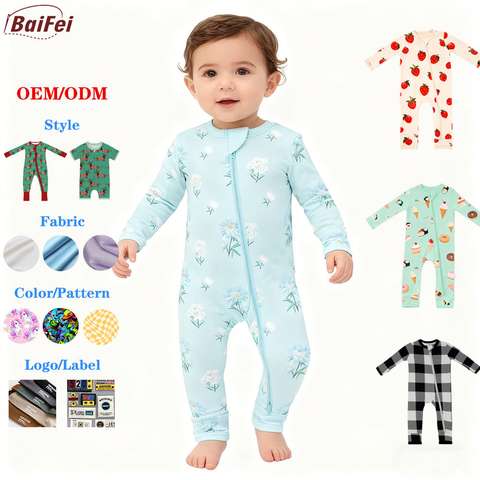
The Science Behind Newborn Baby Clothes Manufacturing
Manufacturing newborn baby clothes requires careful attention to detail, particularly when it comes to fabric quality, GSM (grams per square meter), durability, and the industrial machinery involved. For businesses operating in the B2B sector, understanding the technical capabilities required to produce high-quality, comfortable, and safe clothing for infants is crucial.
This article dives deep into three major aspects of manufacturing baby clothes—fabric GSM and density, innovative machinery, and safety standards—to ensure superior outcomes that cater to retailer and consumer expectations.
Why Fabric GSM Matters in Baby Clothing Manufacturing
GSM (grams per square meter) is a technical metric used to measure the weight of fabric. For newborn baby clothing, GSM plays an essential role in determining comfort, durability, and suitability for delicate skin. Generally, lighter fabrics with GSM values between 120-160 are preferred for infant clothing to ensure breathability, softness, and ease of movement.
Here’s why GSM is vital in newborn baby clothes:

- Softness: High GSM fabrics may feel heavier and thicker but can compromise on softness. For baby clothes, achieving a balance between weight and comfort is critical.
- Durability: Fabrics with lower GSM values, while soft, can lack durability. Manufacturers need to select fabrics with optimized GSM ratings that ensure longevity while retaining comfort.
- Safety: Excessively thin fabrics can tear or wear easily, posing potential safety concerns. Balanced GSM fabric provides strength without sacrificing comfort.
From an engineering perspective, understanding GSM attributes allows manufacturers to source raw materials accurately, calibrate machinery to process fabrics effectively, and deliver consistent output for retail demands.
Fabric Density: Balancing Structure and Comfort
Fabric density, along with GSM, determines the texture, performance, and interaction of the material with the user. For baby clothing, fabric density affects how the garment feels against the skin and its suitability for varying climates.
Two key fabric concepts tie into baby clothing:
- Tightly Woven Fabrics: High-density fabrics are tightly woven, providing durability and warmth. These are often used for colder climates to keep infants insulated. However, they should be balanced with breathability to prevent discomfort.
- Loosely Woven Fabrics: Lower density fabrics are soft, lightweight, and breathable, ideal for hot or humid weather. They are crafted to ensure airflow while offering protection for sensitive skin.
Combining GSM and density engineering ensures manufacturers can produce tailored products that suit specific consumer demands, whether it’s for summer apparel or warm winter layers.
Industrial Machinery Used in Newborn Clothing Production
The manufacturing process for baby clothing involves specialized machinery to ensure precision, efficiency, and scalability for bulk orders. Factories use engineered systems capable of handling delicate fabrics while meeting stringent safety and environmental requirements. Key industrial machines include:
- Circular Knitting Machines: These machines create stretchable fabrics essential for baby onesies, bodysuits, and sleepwear. Circular knitting ensures uniform fabric structure, contributing to durability and comfort.
- Automatic Cutting Systems: CNC (computer numerical control) cutting machines precisely slice fabric into required patterns. These systems minimize wastage and maximize efficiency.
- Overlock Sewing Machines: Designed to hem edges, overlock machines provide clean, professional finishes that enhance garment durability.
- Steam Compressors: Used in pre-shrinking or fabric conditioning processes to ensure garments maintain their original size and softness after multiple washes.
- Heat Transfer and Printing Machines: These are utilized for decorative graphics, designs, or logos, adhering to safety standards for chemical-free, baby-safe inks.
The machinery used in the production line has evolved with the integration of energy-efficient systems, computerized controls, and capability enhancements. Investing in state-of-the-art machinery ensures manufacturers stay competitive while producing safe and reliable products.
Safety Standards for Baby Garments
When manufacturing newborn baby clothes, safety cannot be compromised. Retailers purchasing baby clothes need assurance that products meet both national and international safety regulations. Here are the main safety considerations:
| Fabric Type | Pima Cotton |
| Compliance | GOTS Organic |
| Customization | Bespoke |
| Lead Time | 31 Days |
- Flammability Standards: Fabrics must be tested for flame resistance to prevent injury risks.
- Non-Toxic Dyes: Chemicals or dyes used in fabric printing must be baby-safe and free from allergens or hazardous substances.
- Seam Quality: Poorly sewn seams can irritate baby skin. Automated inspection machines are often implemented to verify stitch integrity.
- Choking Hazards: No small parts or embellishments should be applied to clothing that could pose choking risks.
Modern quality assurance techniques, such as infrared defect detection and textile stress testing, further ensure garment reliability across production batches.
Combining Technology and Fabric Science in Baby Garment Manufacturing
The intersection of fabric GSM, density, and industrial machinery creates a roadmap for producing superior baby clothing that aligns perfectly with commercial needs. Manufacturers seeking to scale operations in this niche market must prioritize engineering solutions that uphold quality and consistency.
As safety standards evolve and consumer expectations rise, innovations like biodegradable fabrics, energy-efficient machinery, and seamless design production will define the future of baby garment manufacturing. Engaging educational resources and trend analysis further equip factories and companies to stay competitive and responsive.
Understanding the technical intricacies and strategic priorities of newborn baby clothes drives better success for B2B manufacturers operating in this sector. By mastering the relationship between fabric density, GSM, and industrial machinery, companies can redefine how they deliver safety, comfort, and scalability in baby garments.