Private Label Bamboo Pjs Baby Gots Organic Factory
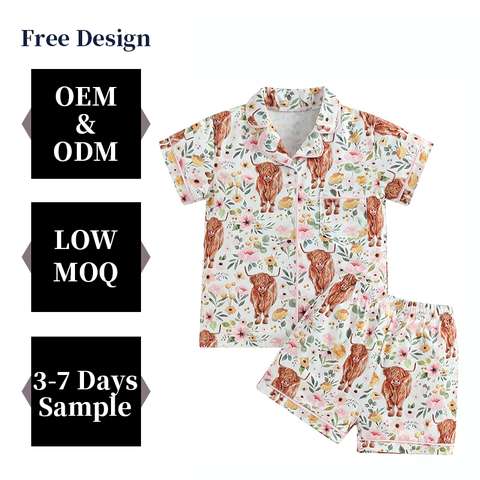
Technical Aspects of Bamboo Fabric in Baby Pajamas
Bamboo fabric has emerged as a leading material in textile manufacturing due to its sustainable properties, softness, and impressive fabric density. In recent years, businesses within the baby apparel industry have taken a keen interest in bamboo-based textiles, particularly for sensitive applications such as baby pajamas. The combination of its GSM (grams per square meter), lightweight design, and adaptability for industrial machinery makes bamboo fabric an optimal choice for producing baby sleepwear. This article will explore the key technical aspects of bamboo PJs for babies, diving into its GSM properties, fabric density, and considerations for large-scale industrial production.
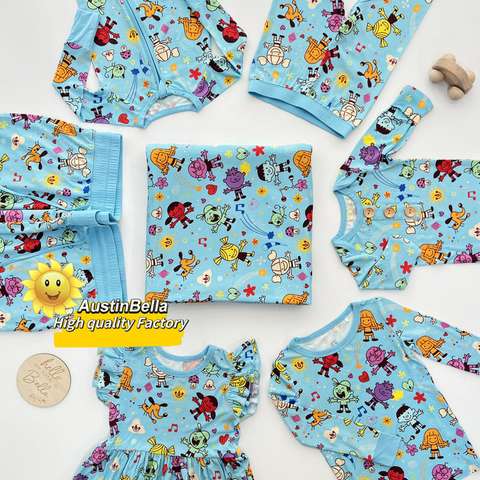
Understanding GSM in Bamboo Baby Pajamas
GSM, or grams per square meter, is a critical measurement used in textile engineering to determine the weight of fabric per unit area. For bamboo baby pajamas, the typical GSM range falls between 150 and 300 GSM, depending on whether the fabric aims to prioritize lightweight breathability or thicker, cozier designs for cooler temperatures. Manufacturers often balance GSM specifications with other fabric properties to ensure the final product offers comfort, durability, and functionality.
In the case of bamboo pajamas, a lower GSM (150–180 GSM) is ideal for summer wear. Fabrics in this range provide exceptional airflow and softness, which are crucial for regulating a baby's temperature during sleep. On the other hand, mid-to-higher GSM levels (around 220–300 GSM) are used to manufacture pajamas intended for colder climates, retaining warmth without compromising the softness bamboo fabric is renowned for.
To achieve an optimal GSM balance, manufacturers must carefully evaluate the weaving process, fiber weight, and production methodology, ensuring consistent material performance across batches. GSM also plays a critical role in marketing baby products to B2B clients, as this metric helps guide bulk purchasing decisions tailored to specific regional climates and consumer demands.
Fabric Density and Texture Control
In addition to GSM, fabric density heavily influences the feel and durability of bamboo pajamas. Bamboo fibers are naturally thin yet resilient, which allows manufacturers to create finely woven textiles with high thread counts while retaining softness. For baby products, fabric density must strike a balance: it needs to maintain structural integrity while offering the gentle texture required for sensitive skin.
The density of bamboo fabric is often optimized during the spinning and weaving processes. Bamboo fiber, which is derived from the pulping of bamboo stems, is initially processed into rayon or viscose before being spun into threads. These threads are then woven into fabric materials of varying densities. For baby pajamas, tighter weaves and higher thread counts result in smoother textures that help prevent irritation on delicate skin.
Businesses investing in bamboo pajamas for infants must carefully assess the fabric’s density to ensure compatibility with their target audience. Lower-density weaves may compromise the longevity of the fabric, while overly dense weaves risk reducing airflow and breathability—key features for sleepwear. The industrial setup used in fabric production heavily impacts these variables, requiring robust machinery capable of precise control over thread tension and weave patterns.
Industrial Machinery for Bamboo Baby Pajamas
The production of bamboo baby pajamas requires specialized industrial machinery capable of handling bamboo-based textiles efficiently. With advancements in textile technology, modern industrial weaving equipment has improved considerably, allowing manufacturers to produce bamboo fabrics with high GSM consistency and desired density levels. These machines are specifically designed to address the flexible yet delicate nature of bamboo fibers.
Key machinery components include high-speed weaving looms, spinning machines for rayon/viscose threads, and automated cutting and sewing systems for seamless garment production. Bamboo textiles require looms capable of managing high thread counts to achieve smooth weaves at scale. , temperature-controlled spinning devices ensure bamboo fibers retain their softness during the transformation into rayon threads, preventing brittleness and ensuring uniform fabric texture.
Bamboo Pajamas: Sustainability Meets Functionality
Another major advantage of bamboo baby pajamas lies in their sustainable manufacturing process. Unlike conventional cotton or synthetic fibers, bamboo can be cultivated rapidly and at scale, making it a renewable resource ideal for environmentally conscious businesses. Its manufacturing process has a lower environmental footprint, requiring fewer resources compared to polyester blends or traditional cotton fabrics.
From a technical standpoint, sustainable manufacturing does not compromise quality. Bamboo fibers boast natural antibacterial and hypoallergenic properties, which elevate their appeal for baby products. These innate features eliminate the need for chemical treatments during production, thus minimizing pollution and maintaining fabric purity. This balance between functionality and eco-friendliness builds a compelling case for B2B clients to adopt bamboo products within their supply chains.
Impact of Advanced Materials in Baby Apparel
The emergence of advanced materials such as bamboo-based textiles is shifting paradigms in babywear manufacturing. The performance metrics of bamboo pajamas—softness, breathability, and durability—place them on par with premium cotton alternatives while offering added benefits such as moisture-wicking properties and thermal control.
Baby apparel suppliers and distributors benefit from integrating bamboo fabric into their product portfolios by meeting growing consumer demand for eco-friendly and sustainable goods. Industrial clients often compare raw material costs, processing times, and eco-certifications when developing their procurement strategies. Bamboo scores highly in all these categories, providing a technical advantage for scaling up operations.
Insights for B2B Manufacturers
Manufacturers interested in entering the bamboo baby pajamas market must adopt precise textile engineering techniques to ensure consistent output. This includes understanding GSM ranges suitable for varying climates, calibrating machinery to maintain fabric density, and minimizing waste during production while preserving eco-credentials.
Investing in advanced industrial machinery optimized for bamboo processing can significantly improve production efficiency for large-scale orders. Modern computerized spinning and weaving systems enable real-time adjustments to thread counts and density settings, ensuring fabric quality conforms to predefined specifications. These capabilities are invaluable for meeting bulk orders from retailers demanding high consistency in baby garments.
Bamboo baby pajamas represent a remarkable fusion of engineering and sustainability, providing premium sleepwear for infants while embracing responsible manufacturing practices. From mastering GSM specifications to fabric density optimization and incorporating cutting-edge industrial machinery, producing bamboo-based textiles demands a highly technical and precision-oriented approach.
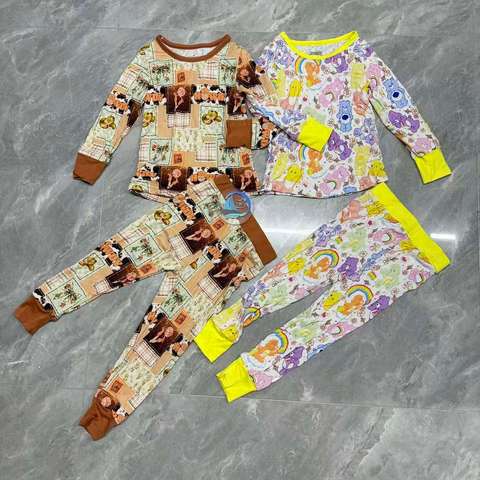
| Fabric Type | Organic Bamboo |
| Compliance | CPC Certified |
| Customization | OEM |
| Lead Time | 36 Days |
B2B companies in the apparel industry stand to benefit from adding bamboo baby pajamas to their product lines, leveraging the material’s unique strengths to meet consumer demands for eco-friendly and functional babywear. By investing in suitable machinery, adhering to strict quality standards, and embracing sustainable practices, manufacturers can effectively capitalize on the growing trend of bamboo-based fabrics in baby apparel, ensuring continued growth and success in this evolving market.