Private Label Camo Bamboo Pajamas Bespoke Manufacturer

Camo Bamboo Pajamas: Blending Comfort, Sustainability, and Precision Engineering
The textile industry has seen a significant shift toward sustainable fabrics, with bamboo emerging as a go-to material for eco-friendly apparel. Among the diverse applications of bamboo fiber, camo bamboo pajamas are gaining prominence in both retail and B2B markets. These garments are not just visually appealing but are also crafted with a high degree of technical precision. This article focuses on GSM (grams per square meter), fabric density considerations, and the role of industrial machinery in manufacturing these high-quality loungewear items.
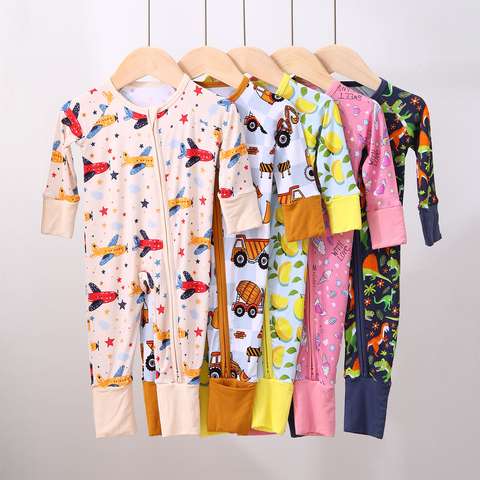
For B2B customers such as wholesalers, distributors, and manufacturers, understanding the key technical parameters and machinery involved is critical for optimizing production and ensuring superior output. Let’s examine how sustainable materials like bamboo, intricate patterns like camouflage, and cutting-edge machinery converge to create these unique pajamas.
Understanding GSM and Fabric Density for Bamboo Pajamas
Defining GSM and Its Importance
GSM, or grams per square meter, is a critical metric in textiles, determining the weight of fabric per defined area. For pajamas, GSM directly impacts the comfort, durability, and thermal regulation of the garment. In the case of camo bamboo pajamas, a GSM range between 180 and 250 is typically ideal. This range strikes a balance between providing a lightweight, breathable fabric and ensuring enough density for durability.
Bamboo fabric is known for its excellent moisture-wicking properties and thermal insulation. A GSM on the higher end of this range enhances these properties, ensuring that the pajamas are suitable for use across varying climates. Manufacturers must pay close attention to achieving the target GSM, as deviations can negatively affect fabric performance and customer satisfaction.
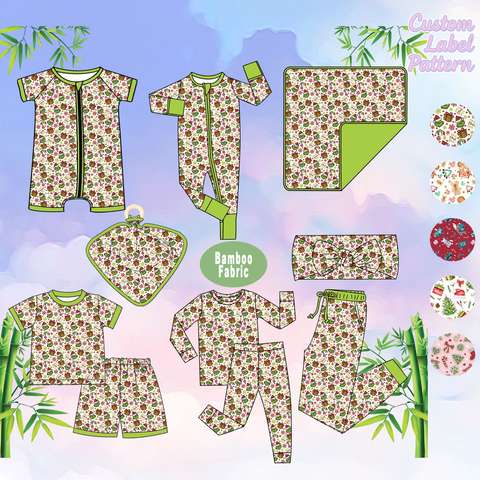
The Role of Fabric Density in Camo Bamboo Products
Beyond GSM, fabric density is another critical parameter. While GSM gives you the weight of the fabric, density measures how tightly the fibers are woven or knitted. Higher-density bamboo fabrics are more durable and less prone to shrinkage. This is particularly important for camo-pattern products where precise printing must remain intact after multiple washes.
Camo bamboo pajamas often use fabric blends, combining bamboo with cotton or spandex to enhance flexibility and stretchability. In these cases, the density must be precise to prevent pulling or distortion of the camo pattern. High-resolution printing machinery and tight quality control systems ensure that the intricate camouflage designs align perfectly across seams and panels.
Industrial Machinery: Precision for Large-Scale Bamboo Production
Yarn Production and Processing
The journey of camo bamboo pajamas begins with the preparation of bamboo yarn. Sustainable bamboo is first harvested and processed into a pulpy mass, which is then extruded into fibers. Advanced spinning machines such as rotor spinning or ring spinning systems are used to produce fine-quality bamboo yarns with consistent diameter and tensile strength.
Spinning systems equipped with Computer Numerical Control (CNC) technology allow precise adjustments for maintaining uniformity in yarn thickness. This ensures that the base fabric will exhibit minimal defects, laying a strong foundation for subsequent steps such as knitting and printing.
Knitting and Weaving: Achieving the Ideal Fabric Structure
The production of camo bamboo fabric typically involves circular knitting or flatbed knitting machines, depending on the desired texture and elasticity. Circular knitting machines, operating at speeds of up to 40 revolutions per second, are particularly suited for creating seamless tubular structures—perfect for loungewear.
For B2B manufacturers emphasizing versatility, jacquard knitting machines offer the advantage of producing complex patterns directly in the fabric. While camo patterns are usually printed, jacquard machines can integrate unique textures within the base fabric, adding a premium touch.

Camo Pattern Printing and Dyeing
The camouflage pattern is the defining feature of camo bamboo pajamas. Industrial printers, such as rotary screen or digital inkjet printing machines, are integral to achieving high-resolution and durable prints. Digital inkjet printers, in particular, offer flexibility in handling intricate camo designs while minimizing ink wastage—a crucial factor for eco-conscious production.
Dyeing is another vital process that impacts the vibrancy of the camo pattern. Reactive dyes, used in conjunction with bamboo fibers, allow deeper penetration into the material, ensuring that the patterns remain vivid even after prolonged use. Continuous dyeing machines facilitate uniform coloration, with automated quality monitoring systems reducing errors and boosting production efficiency.
Cutting and Sewing: Automation Meets Artisanal Precision
Once the fabric is prepared, computerized cutting tables use precision lasers or mechanical blades to slice the material into specified patterns. For camo bamboo pajamas, which often involve intricate paneling to seamlessly align camo prints, automated cutting machines provide unmatched accuracy.
The assembly process often uses automated sewing machines integrated with smart sensors. These machines adjust thread tension and feed rate based on fabric type, making them ideal for sewing bamboo fabric, which can be slippery due to its smooth texture. Manual quality checks are often employed to ensure stitch integrity and garment durability.
Balancing Sustainability and Efficiency
Eco-Friendly Benefits of Bamboo
Bamboo is one of the most sustainable resources available for textile manufacturing. It grows rapidly, requires minimal water, and thrives without pesticides, making it a green alternative to conventional cotton. In addition, the closed-loop process used to convert bamboo into fibers minimizes chemical waste.
Efficient Processes Drive Cost Savings
For B2B clients, efficiency at scale is paramount. By employing advanced industrial machines and automation, manufacturers can significantly reduce production time and costs. For example, the integration of IoT-enabled machinery allows real-time monitoring, predictive maintenance, and process optimization, ultimately boosting throughput.
| Fabric Type | Pima Cotton |
| Compliance | GOTS Organic |
| Customization | ODM |
| Lead Time | 23 Days |
: Delivering Excellence in Camo Bamboo Pajamas
The production of camo bamboo pajamas is a marvel of modern engineering, blending sustainability, technical precision, and aesthetic versatility. From the careful selection of GSM and optimal fabric density to the use of advanced industrial machinery, every stage requires meticulous planning and execution.
For B2B partners, understanding these technical nuances is critical for making informed purchasing decisions. Whether you are sourcing bamboo fabric, evaluating suppliers, or investing in cutting-edge machinery for in-house production, a nuanced approach ensures premium results for your end customers. Camo bamboo pajamas embody the future of textiles—beautiful, sustainable, and engineered to perfection.