Private Label Children Bamboo Fibre Pajamas Custom Manufacturer
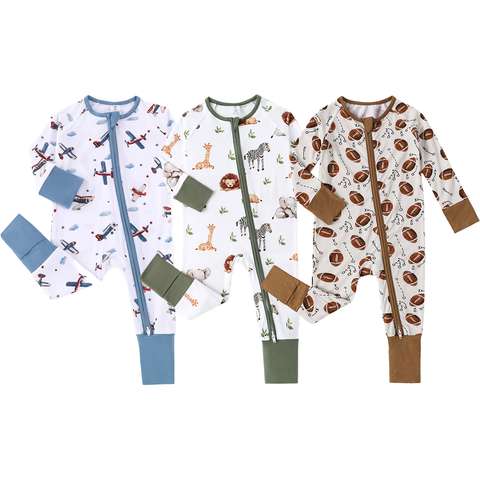
The Role of GSM and Fabric Density in Manufacturing Children’s Bamboo Fibre Pajamas
Bamboo fibre pajamas for children are rapidly gaining traction in the global textile market for their softness, breathability, and sustainability. While their popularity is undeniable, producing high-quality bamboo fibre pajamas requires an in-depth understanding of GSM (Grams per Square Meter), fabric density, and the role of advanced industrial machinery. For businesses involved in textile manufacturing or planning to enter this sector, understanding these technical aspects is crucial to producing superior products that meet market demands.
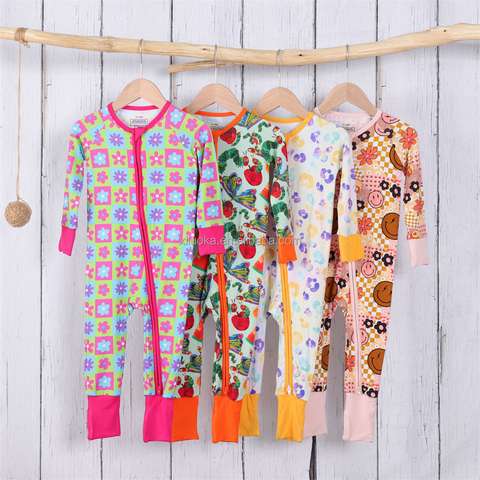
Understanding GSM in Bamboo Fibre Fabrics
GSM, or Grams per Square Meter, is a critical metric in textile manufacturing that determines the fabric's weight and thickness. For children’s pajamas, the ideal GSM usually ranges between 150 and 250. This range ensures a balance between comfort and durability, tailored specifically for children's sensitive skin and high activity levels.
A lower GSM, below 150, may compromise durability and result in thinner, less resilient pajamas. On the other hand, a GSM exceeding 250 might create a fabric that feels too heavy or restrictive for children. Thus, selecting the optimal GSM depends on the pajama’s intended use, seasons, and design specifications.
The Relationship Between GSM and Fabric Density
Understanding the relationship between GSM and fabric density is essential for achieving desired quality. Fabric density refers to the number of threads per unit surface area and directly impacts the durability, texture, and breathability of children’s pajamas. When working with bamboo fibres, which are naturally lightweight yet strong, striking the right balance between GSM and density ensures a fabric that is both soft and long-lasting.
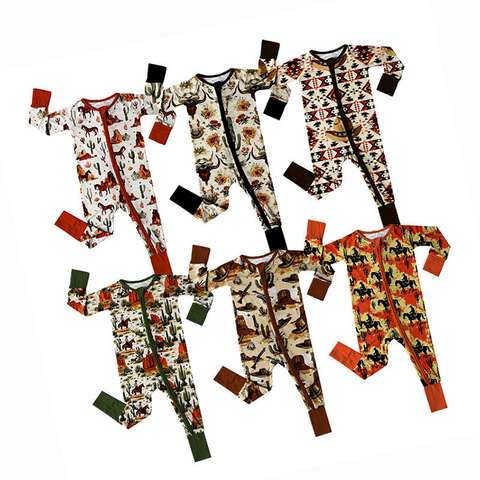
For instance, if a fabric has a GSM of 200 but low density, it may feel flimsy and less robust. Conversely, a high-density bamboo fabric within the 150-250 GSM range ensures structural integrity, exceptional softness, and breathability. Advanced machinery with state-of-the-art weaving capabilities is crucial to maintaining these precise parameters during mass production.
The Advantages of Bamboo Fibre in Children’s Pajamas
Bamboo fibre is celebrated for its unique properties, making it an ideal choice for children's clothing. From its antimicrobial features to temperature regulation, bamboo fibre offers numerous benefits that continue to drive demand in the textile market. Let’s take a deeper look at what makes it so advantageous.
Antimicrobial and Hypoallergenic Qualities
One significant advantage of bamboo fibre is its inherent antimicrobial and hypoallergenic properties. This makes it an excellent option for children, who are more vulnerable to skin irritations, rashes, and allergies. During the manufacturing process, preserving these natural qualities of bamboo requires careful fiber extraction, spinning, and dyeing techniques.
It’s critical for businesses to use machinery capable of maintaining the integrity of the fibre. Soft-spun bamboo fibres produced using modern spinning machines with adjustable tension settings can ensure optimal skin-friendliness, enhancing end-user satisfaction.
Moisture-Wicking and Temperature Regulation
Another key feature of bamboo fibre is its ability to wick moisture and regulate temperature naturally. By manufacturing bamboo fibre pajamas with proper GSM and fabric density, businesses can ensure that these pajamas remain comfortable in both warm and cool conditions. This thermoregulative property is extremely appealing for parents seeking versatile and reliable sleepwear for their children.
To enhance these attributes, machinery with dual-layer knitting capabilities is often deployed. This technology allows manufacturers to create fabrics that offer superior moisture management while maintaining a plush and soft outer layer.
Sustainable and Eco-Friendly Manufacturing
Bamboo is a renewable resource that consumes far less water compared to cotton and grows quickly without the need for pesticides. For manufacturers, focusing on sustainability is both a value-driven decision and a competitive advantage. Incorporating eco-friendly practices, such as closed-loop processing and waste minimization, aligns with the growing demand for sustainable children's fashion.
Investing in textile machinery optimized for bamboo fibre processing, such as water-saving dyeing machines and waste-recycling looms, helps in creating sustainable bamboo fibre products and reduces the environmental impact of production.
Industrial Machinery for Bamboo Fibre Pajama Production
The production of children’s bamboo fibre pajamas requires specialized industrial machinery that can handle the unique characteristics of bamboo fibre. Below, we explore the essential types of machinery and their roles in creating premium-quality pajamas.
Fibre Extraction and Processing Machines
The first step in bamboo fibre pajama production is fibre extraction. This requires robust machinery designed to mechanically or chemically process raw bamboo into viscose or lyocell fibres. For eco-conscious production lines, machinery for enzymatic extraction is preferred, as it minimizes the use of chemicals and reduces environmental impact.
Subsequent fiber-processing steps, such as carding and combing, demand precision-engineered machines to ensure consistency in fibre quality and smoothness, which are critical for producing soft fabrics suitable for children.
| Fabric Type | Pima Cotton |
| Compliance | CPSIA Compliant |
| Customization | OEM |
| Lead Time | 26 Days |

Weaving and Knitting Machines
Once the bamboo fibres are processed into yarn, they are transformed into fabric using weaving or knitting machines. Advanced computerized machines allow manufacturers to control thread count and patterning with exceptional precision. Narrow-width weft knitting machines are ideal for creating the seamless fabrics used in kids’ pajamas, as they reduce the risk of irritation by eliminating seams that could press against a child’s skin.
Specialized looms that enable high-speed weaving while maintaining warp tension are essential for producing consistent and high-density bamboo fabric. This ensures that products are soft yet durable.
Dyeing and Finishing Machines
The dyeing process for bamboo fibre requires careful attention, as the material’s natural softness and moisture-wicking properties must be preserved. High-efficiency, low-water dyeing machines are preferred in the industry to maintain these desirable traits while minimizing environmental impact.
Post-dyeing, finishing machines are employed to enhance the texture, sheen, and hand feel of the bamboo fabric. Machines with calendaring and light brushing capabilities ensure the pajamas have a silky and luxurious touch that appeals to consumers shopping for their children.
Innovations in Bamboo Fibre Pajama Manufacturing Processes
With the convergence of automation and sustainability, the textile manufacturing industry is witnessing groundbreaking advancements. From automated dyeing processes to real-time GSM monitoring, these innovations not only improve efficiency but also elevate the quality and competitiveness of children’s bamboo fibre pajamas.
Automated Quality Control Systems
Modern textile machinery often incorporates automated quality control systems capable of real-time monitoring. For instance, GSM scanners integrated into weaving and knitting machines allow for precise consistency checks, helping manufacturers maintain uniform fabric quality across batches.
By reducing human error and variability, these systems ensure that all children’s bamboo fibre pajamas meet stringent quality standards, a critical factor for B2B markets.
Sustainability Enhanced by Closed-Loop Systems
Closed-loop systems are increasingly being adopted in bamboo fibre pajama production for resource and waste management. These systems recycle water, chemicals, and fibres during production, significantly reducing the environmental footprint of the manufacturing process.
As a sustainability-focused manufacturer, using such machinery not only strengthens your corporate reputation but also makes your products more appealing to eco-conscious businesses and consumers.
Manufacturing children’s bamboo fibre pajamas is a complex process requiring careful consideration of GSM, fabric density, and the industrial machinery involved. By optimizing these aspects, businesses can produce high-quality, sustainable products that appeal to today’s increasingly conscious consumers. Leveraging innovations like automated quality control and closed-loop systems further enhances efficiency and sustainability, making bamboo fibre pajamas a lucrative and responsible choice in the B2B textile market.