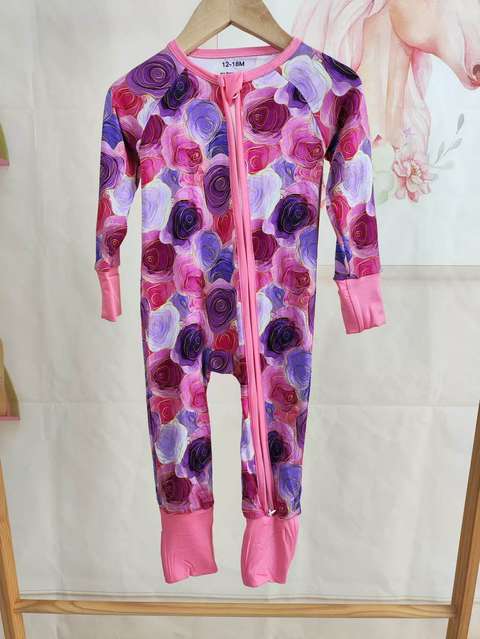
Private Label Childrens Bamboo Pajamas Custom Wholesale
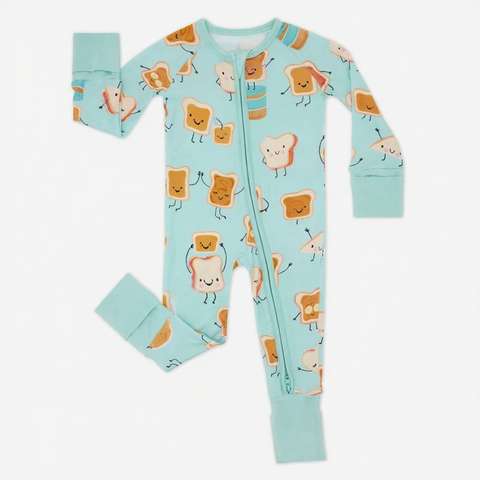
Understanding the Engineering Behind Children’s Bamboo Pajamas
Children's bamboo pajamas have become a sought-after product due to their softness, breathability, and eco-friendly properties. Despite their popularity, producing these garments involves a deep understanding of fabric GSM, density, and industrial machinery. This article explores the technical considerations involved in manufacturing bamboo pajamas for children from a B2B perspective, ensuring they meet quality and functionality standards.
What is GSM and Why Does It Matter in Bamboo Pajamas?
GSM, or Grams per Square Meter, plays a crucial role in defining the weight and thickness of fabrics. For children’s bamboo pajamas, selecting the appropriate GSM is vital to ensure comfort, durability, and breathability. A typical GSM range for bamboo fabric is between 160 and 220, but for children's sleepwear, the most commonly used range is 180 to 200 GSM.
A GSM within this range maintains a balance between softness and durability. Lower GSM values may result in pajamas that are too thin, potentially lacking opacity and comfort. Higher GSM can make the fabric too heavy and hinder breathability—important in pajamas designed for toddlers and young children who need to regulate body temperature effectively while sleeping.
The Role of Fabric Density in Comfort and Durability
Fabric density measures how closely the fibers are knit or woven within a square inch of fabric. For children’s bamboo pajamas, the target is a fabric density that ensures breathability without compromising warmth, softness, or durability. Bamboo fibers have a naturally high tensile strength, meaning they can be woven into higher-density fabrics without sacrificing flexibility or comfort.
Optimal density enhances the product’s resistance to tearing during playful activities. A tighter weave also contributes to insulating properties, ensuring pajamas can be cozy during cooler evenings. However, manufacturers must maintain a balance to avoid creating a stiff end-product, which could be uncomfortable for children. By using advanced computer-aided design (CAD) software, textile engineers simulate the impact of different weave intensities and ensure that the desired characteristics are achieved for children’s bamboo pajamas.
Industrial Machinery for Bamboo Pajama Production
The production of children’s bamboo pajamas involves specialized machinery optimized for handling bamboo fibers. Bamboo fabric, derived from cellulose extracted from bamboo pulp, is soft but requires precise handling throughout the manufacturing process.
Knitting or Weaving Bamboo Fabrics
Circular knitting machines or air-jet weaving systems are commonly used to produce bamboo fabrics for pajamas. Circular knitting machines, with their ability to create stretchable and seamless fabrics, are ideal for pajamas. The machines use multiple needle beds to ensure uniformity and precision in creating tubular fabrics with predetermined densities and GSM.
Air-jet looms, on the other hand, are utilized when a woven fabric is desired. These looms use a high-powered stream of air to propel the yarn across the loom, facilitating the creation of high-density bamboo fabrics with exceptional smoothness and texture. The choice of machinery often depends on the brand's target fabric type, such as jersey knit bamboo for casual pajamas or a sateen weave for a silk-like feel.
Dyeing and Finishing Processes
Once the fabric is woven or knit, it undergoes dyeing and finishing processes. Bamboo fibers are highly absorbent, making them an excellent candidate for eco-friendly, low-impact dyes. Pad-dry-cure machinery is often used for this purpose as it provides uniform dyeing while minimizing water and energy consumption.
Additionally, finishing processes use specialized finishing equipment to enhance key properties of bamboo fabric. Softening agents and moisture-wicking treatments are applied using reaction chambers or padding mangle machines to ensure the final fabric meets industry standards for comfort and functionality.
Benefits of Bamboo Fabric in Children's Pajamas
Bamboo fabric offers several attributes that make it ideal for children’s sleepwear in both industrial production and retail appeal. These benefits include:
Antibacterial and Hypoallergenic Properties
Bamboo fibers possess natural antibacterial properties due to a substance called "bamboo kun," which helps resist the growth of bacteria and allergens. This makes bamboo pajamas a safer choice for children with sensitive skin or allergies.
Industrial garment testing often involves simulated usage cycles where bamboo fabrics are subjected to bacterial cultures and moisture to verify these properties. Quality control teams rely upon these data to certify bamboo sleepwear as hypoallergenic.
Thermal Regulation
Bamboo fabric’s moisture-wicking property keeps children dry by drawing sweat away from the skin, a crucial feature for sleepwear. Unlike synthetic fabrics, bamboo allows for superior airflow, which prevents overheating during summer months while also maintaining sufficient insulation for colder nights.
Modern industrial finishing equipment ensures the uniform application of these moisture-wicking properties, reinforcing the fabric's performance even after multiple washes.
Customization in the Bamboo Pajama Market
Adapting to customer demands often requires manufacturers to offer customization options for bamboo pajamas. Factors like GSM adjustments, fabric color, and design pattern customization are frequently requested by B2B clients such as retailers or wholesale distributors.
Adjustable GSM for Seasonal Variety
By modulating the GSM range, manufacturers can produce lightweight pajamas for summer and heavier pajamas for winter. Modern textile machinery is flexible and programmable, allowing for swift transitions between thickness variations during production runs.
Eco-Friendly Dyeing and Printing Techniques
With increasing consumer preference for sustainable products, B2B buyers often emphasize the need for eco-friendly dyeing and printing solutions. Digital textile printers equipped with eco-conscious inks are used to create patterns and designs on bamboo pajamas with minimal environmental impact.
Heat-transfer printing is another option for creating intricate designs on bamboo fabrics. These techniques are paired with certifications such as OEKO-TEX® or GOTS to assure clients of sustainable practices.
Final Thoughts on Engineering Children’s Bamboo Pajamas
The production of children’s bamboo pajamas is as much an engineering challenge as it is a textile innovation. From selecting the appropriate GSM and fabric density to utilizing state-of-the-art industrial machinery, every step requires precision to meet the expectations of the modern market. Bamboo pajamas continue to rise in popularity for their unmatched comfort, eco-friendliness, and advanced functionality, making them an excellent choice for wholesale clients investing in sustainable and high-quality textiles.
As the demand for bamboo-based fabrics grows, textile manufacturers must remain committed to adapting new technologies and complying with sustainable production standards. The next phase of innovation may further optimize the production of children’s bamboo pajamas, delivering even greater comfort and durability to the little ones who wear them.
| Fabric Type | Pima Cotton |
| Compliance | CPSIA Compliant |
| Customization | Custom |
| Lead Time | 17 Days |