Private Label Custom Print Bamboo Pajamas Tailormade Manufacturer
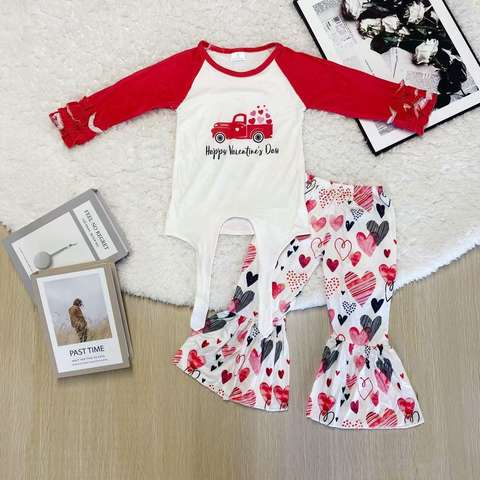
Engineering Custom Print Bamboo Pajamas: A Convergence of Technology and Comfort
Bamboo fabric has emerged as one of the most sustainable and versatile materials in textile manufacturing. Its unique combination of softness, breathability, and environmental benefits makes it highly sought after, particularly in industries centered around comfort wear such as pajamas. Custom printing adds another layer of personalization and functionality, catering to both individual and organizational branding needs. This article delves into the engineering aspects of custom print bamboo pajamas, with a focus on fabric density, GSM (grams per square meter), and the industrial machinery facilitating their production.
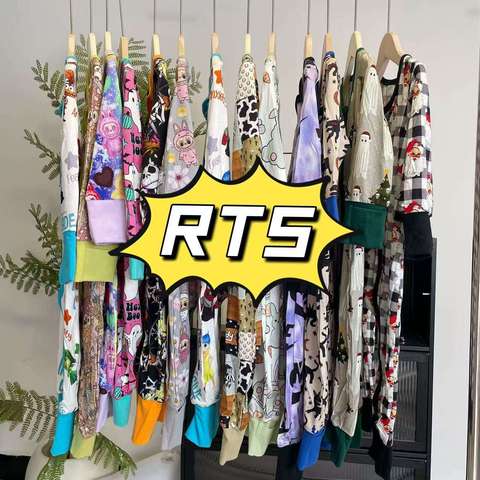
The Importance of GSM and Fabric Density in Bamboo Pajamas
Fabric GSM (grams per square meter) is one of the most critical factors in determining the quality and feel of textile products. In the context of bamboo pajamas, GSM directly impacts the comfort, drape, thermal regulation, and durability of the fabric. Engineers and textile experts must carefully select the appropriate GSM for bamboo fabrics to ensure the material meets the desired requirements.
For pajamas, ideal GSM ranges between 180 and 250. Lower GSM options, such as 180-200, are lightweight and breathable, perfect for warmer climates or moisture-wicking sleepwear. On the higher end, GSM in the 210-250 range creates fabric with enhanced insulation and durability, suitable for colder climates or luxurious sleepwear preferences. Higher GSM, however, results in increased fabric bulk, which may reduce airflow slightly—an important design consideration.
Fabric density complements GSM as a parameter for bamboo textiles. Fabric density refers to the compactness of fiber weave or knit structure in the material. Bamboo fabric often uses jersey, interlock, or rib-knit constructions. Among these, interlock knit patterns are favored for pajamas due to their soft texture, elasticity, and durability. Engineers must optimize both GSM and density during the material selection process to facilitate the desired tactile and functional results.
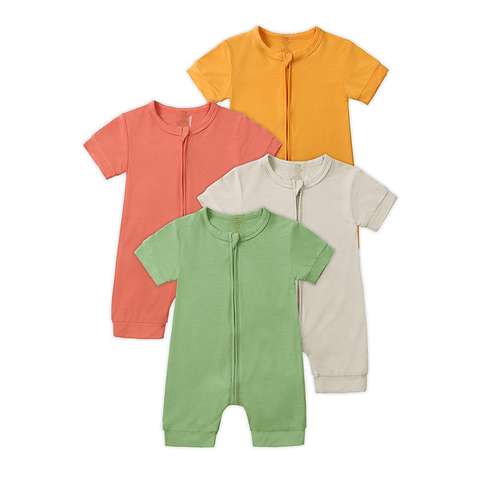
Custom Printing: Technology Meets Sustainable Textiles
Custom print bamboo pajamas involve integrating advanced textile printing techniques with sustainable bamboo fabric. Bamboo fibers present specific challenges and opportunities when it comes to printing. Being naturally hydrophilic, bamboo fabric responds differently to inks and dyes compared to synthetic alternatives, challenging engineers to fine-tune printing machinery and process parameters.
Several printing techniques are suitable for bamboo pajamas:
- Screen Printing: A traditional and popular printing method. Screen printing is often favored for bold designs that require high ink deposition. In the case of bamboo fabric, water-based inks can be employed to maintain eco-friendliness. However, screen printing may not be suitable for intricate patterns, requiring alternative approaches.
- Digital Sublimation Printing: Sublimation printing integrates heat and pressure to transfer designs onto the fabric. This technique works exceptionally well for bamboo-polyester blends rather than 100% bamboo, as it requires synthetic fibers to bond the dye. Engineers must adjust temperature and pressure precisely to ensure durability and minimal fading.
- Direct-to-Garment (DTG) Printing: DTG printing offers the capability to produce highly detailed designs directly onto bamboo fabrics. With specialized machinery and inks compatible with bamboo material, DTG printing minimizes waste and offers customization flexibility. However, costs tend to be higher for small-scale productions.
Industrial Machinery for Bamboo Fabric Production and Printing
The production of bamboo pajamas is deeply reliant on high-precision machinery, spanning spinning, weaving, knitting, and printing equipment. Here’s an overview of the essential machinery categories involved:
Spinning and Yarn Generation
Bamboo fiber is regenerated cellulose obtained from bamboo pulp. The spinning process involves refining bamboo pulp and extruding it as fibers, followed by converting them into yarn. Semi-automated or fully automated spinning machines, such as ring-spinning systems, are pivotal in creating uniform bamboo yarns. Engineers focus on ensuring optimal yarn tensile strength, elasticity, and diameter, critical for fabric durability.
Knitting and Weaving Machinery
The choice of knitting or weaving machinery depends on the desired fabric structure. Circular knitting machines, flat knitting machines, and weaving looms are common in producing bamboo fabrics. Circular knitting machines are often employed for interlock constructions, creating stretchy and smooth fabric suitable for pajamas. High-speed knitting machines have enabled significant improvements in production output and efficiency without sacrificing fabric quality.
Custom Print Technology Integration
Once bamboo fabric is prepared, custom printing machinery is used to inscribe designs seamlessly onto the pajamas. Modern screen printing setups use advanced conveyor dryers for curing water-based inks applied on bamboo fabric. Digital sublimation printers require heat press machinery to transfer detailed patterns onto blended bamboo textiles.
DTG printers, optimized with eco-friendly pigment inks, often use pre- and post-treatment stations to ensure prints remain durable and vibrant on bamboo fabrics. Engineers also integrate automated quality control systems within printing operations, leveraging optical sensors to detect printer malfunctions or print inconsistencies.
The Sustainability Benefits of Bamboo Pajamas
Besides their comfort and aesthetic appeal, custom print bamboo pajamas play a crucial role in driving sustainability. Bamboo is an environmentally friendly resource. As a rapidly regenerating plant, it reduces the strain on deforested timber, requiring no pesticides or excessive water for cultivation. This makes bamboo textiles one of the most eco-conscious material choices for the garment industry.
Custom printing processes also favor sustainability when paired with bamboo. Water-based inks, minimal-waste DTG machinery, and recyclable sublimation paper align with eco-industrial goals, reducing manufacturing carbon footprints.
, bamboo's natural antibacterial properties and moisture-wicking capabilities extend the lifespan of pajamas, reducing unnecessary waste. This makes bamboo sleepwear an excellent choice for organizations looking to diversify their product lines with greener alternatives.
Challenges and Future Developments
The production and custom printing of bamboo pajamas are not without challenges. Due to the delicate nature of bamboo fibers, overworking the fabric during printing can result in damage or reduced lifespan. Engineers must continually refine machinery settings (e.g., temperature, pressure, and ink percolation rates) for compatibility with bamboo textiles.
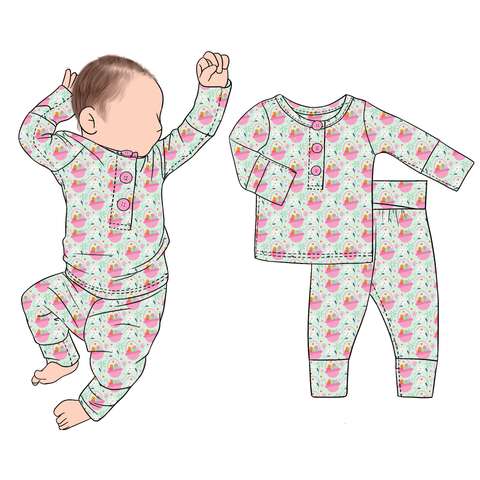
| Fabric Type | Organic Bamboo |
| Compliance | ASTM F963 |
| Customization | Tailor-made |
| Lead Time | 15 Days |
Another challenge is scaling production to meet rising demand without compromising quality. High-speed knitting and printing technologies are being developed to scale operations efficiently. Automation in quality control processes, using Artificial Intelligence (AI) and Machine Vision, is rapidly assisting engineers in overseeing fabric quality and design precision.
Ultimately, the future of this sector lies in innovation. Integrating smart textiles into bamboo sleepwear—such as temperature-regulating pajamas—while maintaining eco-friendly standards will likely shape the next generation of bamboo products. Additionally, biodegradable inks made from natural compounds are undergoing research, promising an even greener custom printing solution.
: Technical Precision for Perfect Bamboo Pajamas
Custom print bamboo pajamas offer an intersection of sustainability, luxury, and advanced engineering. From fabric GSM and density optimization to industrial machinery integration, every production step demands specialized knowledge and precise control. By leveraging cutting-edge technologies and eco-friendly practices, manufacturers can create bamboo sleepwear products that align with modern consumer values while supporting operational efficiency.
The technical evolution described in this article not only enriches the comfort and aesthetic appeal of bamboo pajamas but also reinforces the global movement toward greener textile solutions. Engineers, designers, and manufacturers alike hold the keys to revolutionizing sleepwear with sustainable bamboo innovation.