Private Label Kids 2 Piece Sets Girls Cpsia Compliant Factory
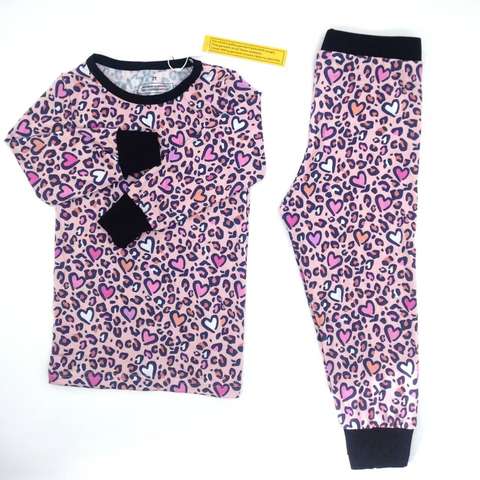
The Technical Framework Behind Kids' 2-Piece Sets for Girls: GSM, Fabric Density, and Industrial Machinery
In the competitive world of children's apparel manufacturing, producing kids' 2-piece sets for girls is both a science and an art. These garments must meet high standards for quality, comfort, and safety, while remaining aesthetically pleasing for consumers. For business-to-business suppliers and manufacturers, understanding key metrics like GSM (grams per square meter), fabric density, and the engineering innovations behind industrial machinery is crucial for optimizing production processes and delivering high-quality products. This guide will examine these factors and provide insights into how they influence the production of kids' 2-piece sets designed for girls.
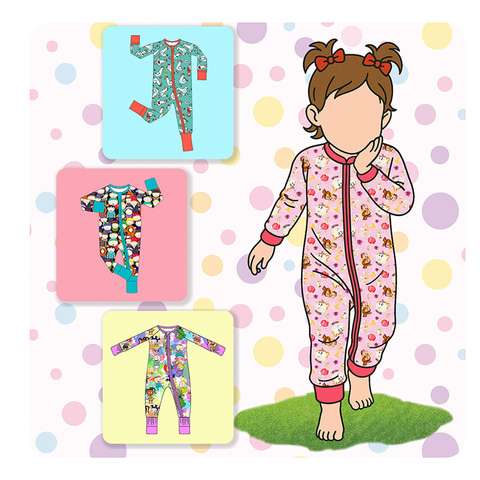
Understanding Fabric GSM and Its Role in Kids' Apparel
Grams per square meter (GSM) is a critical measurement in the textile industry, directly affecting the weight, durability, and feel of the fabric used in kids’ clothing. GSM plays a major role in producing 2-piece sets that balance functionality with comfort. For children’s apparel, the GSM values generally range between 120 GSM to 250 GSM, depending on the type of garment and its intended use.
Lightweight fabrics with GSM values between 120-160 are preferred for summer-oriented sets, such as breathable cotton outfits ideal for warm climates. In contrast, heavier fabric with GSM above 200 is used for winter sets, incorporating thermal benefits and a denser weave to trap warmth effectively. When manufacturing for younger age groups, lower GSM fabrics are often favored to ensure softness and prevent skin irritation.
To assess GSM in your production chain, textile engineers frequently rely on precise analytical processes. GSM cut-ring test machines are commonly employed in industrial setups to weigh a unit of fabric accurately. Automated measuring equipment ensures precision while maintaining high throughput, enabling manufacturers to maintain uniformity in their product lines.
Fabric Density: Ensuring Durability and Comfort
Fabric density, or the number of threads woven within a specific area, complements GSM in determining the quality of kids’ 2-piece sets. Higher thread density enhances durability, allowing garments to withstand wear and tear associated with children's active lifestyles. However, overly dense fabrics can compromise breathability and flexibility, meaning the right balance is paramount to create optimal products.
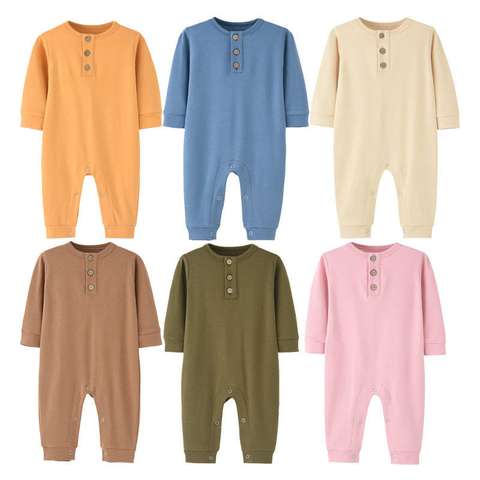
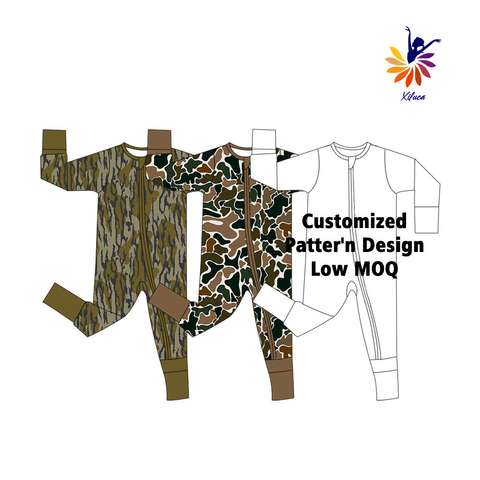
For example, cotton fabrics in the range of 200-300 thread count are typically used for daily wear 2-piece sets, ensuring both softness and durability. Knit fabrics, such as single-jersey and interlock constructions, are particularly popular in girls' outfits, thanks to their elasticity and seamless stretch. These properties also lead to enhanced comfort during moments of play and exploration.
Maintaining consistent thread density during production requires careful calibration of industrial machines, particularly weaving and knitting machines. Advanced equipment equipped with digital monitoring systems ensures the precision of fabric textures and patterns across large-scale batches.
Industrial Machinery: Optimizing Production for Kids' Apparel
Industrial machinery plays a fundamental role in the efficient, large-scale production of kids' 2-piece sets. Each stage of garment manufacturing—fiber weaving, fabric cutting, stitching, and finishing—benefits from automation, which ensures both quality and cost efficiency.
Weaving and Knitting Machinery
Modern weaving and knitting machines are equipped with computerized controls to create textiles with consistent GSM, thread density, and design specifications. For instance, jacquard knitting machines are often used for patterned kids’ outfits, allowing manufacturers to create intricate and child-friendly designs effortlessly.
Circular knitting machines, widely used in the production of girls’ 2-piece sets, enable the creation of stretch fabrics that prioritize movement and comfort. Their high-speed outputs and advanced sensors ensure efficiency while minimizing waste, contributing to sustainable production practices.
Cutting and Sewing Machinery
The cutting phase relies on automated fabric cutting machines for high precision and uniformity. These machines use computer-aided design (CAD) software to optimize fabric layouts, reducing material wastage. Auto-layer spreading machines are an additional innovation utilized to prepare cutting layers without manual intervention, eliminating variations in fabric overlay.
On the sewing front, computer-controlled machines with advanced features like multi-needle capabilities are indispensable for producing seamless 2-piece sets. These machines not only enhance the speed and accuracy of stitching but also incorporate overlocking and flatlock stitching options, which prevent fraying and create a polished finish for the garments.
Printing and Embroidery Solutions
Adding visual appeal to kids’ clothing is pivotal, and modern printing and embroidery technologies make this possible. Rotary screen printing and digital printing methods allow vivid designs and patterns catered to children’s preferences, including floral prints, polka dots, and animated themes.
Similarly, computer-aided embroidery machines facilitate detailed embellishments such as lace patterns or themed logos without compromising fabric integrity. For girls’ 2-piece sets, these personalized touches often serve as a differentiating factor in retail markets.
Quality Assurance and Testing
Before garments reach end-users, stringent quality assurance (QA) practices are implemented. Specialized machinery, such as tensile testers, evaluates fabric strength, ensuring that the final product can endure rough usage. Additionally, washing and colorfastness testing ensure that the vibrant colors of girls' 2-piece sets remain intact after multiple washes—an essential requirement for kids’ clothing.
Inline inspections during each manufacturing phase, facilitated by advanced camera systems and AI algorithms, ensure compliance with safety regulations such as flammability standards and chemical safety testing for dyed fabrics.
| Fabric Type | Pima Cotton |
| Compliance | GOTS Organic |
| Customization | Tailor-made |
| Lead Time | 27 Days |
The Competitive Edge in Sustainable Manufacturing
As the textile and apparel industry moves towards sustainability, adopting eco-friendly practices has become a significant competitive advantage for B2B manufacturers of kids’ clothing. Sustainable approaches include sourcing organic fibers, minimizing water usage during dyeing, and integrating recycled materials into the production process.
Advanced machinery now supports these efforts with features such as waterless dyeing systems and automated scrap recycling units. These technologies align with global environmental standards, helping clothing brands position themselves as responsible leaders in the industry.
Additionally, implementing energy-efficient machinery can significantly lower operational costs while reducing your carbon footprint—a dual benefit for innovators in the kids’ 2-piece apparel sector.
The manufacturing of kids’ 2-piece sets for girls demands a delicate balance between comfort, durability, and visual appeal. Achieving this balance requires a thorough understanding of technical aspects such as GSM, fabric density, and the role of advanced industrial machinery in production. Whether working to meet seasonal changes, safety standards, or market trends, equipping your production line with accurate process controls and high-efficiency machinery will place your operations at the forefront of B2B textile manufacturing.
By prioritizing innovation and sustainability alongside quality, manufacturers and suppliers can ensure consistent delivery of high-value products to their clientele, solidifying their reputation in the competitive landscape of children's apparel.