Private Label Baby Bamboo Romper Cpsia Compliant Supplier
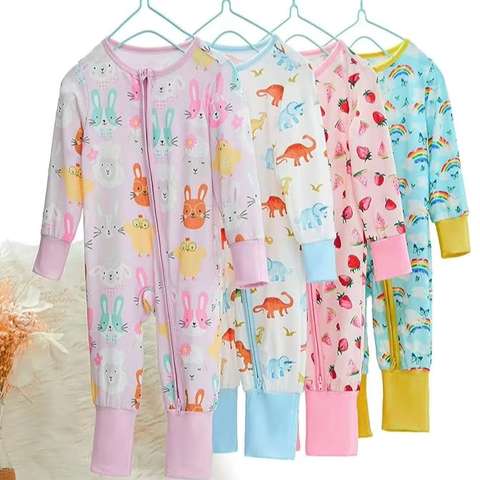
Exploring the Technical Versatility of Baby Bamboo Rompers: GSM, Fabric Density, and Industrial Machinery
Bamboo fibers are revolutionizing the textile industry for babywear due to their natural softness, sustainability, and technical performance. Baby bamboo rompers have gained popularity in B2B markets as an eco-conscious and functional product. To produce these high-demand garments, businesses must balance fabric density, GSM (grams per square meter), and industrial machinery. This article dives into the technical aspects surrounding baby bamboo rompers for manufacturers and textile businesses.
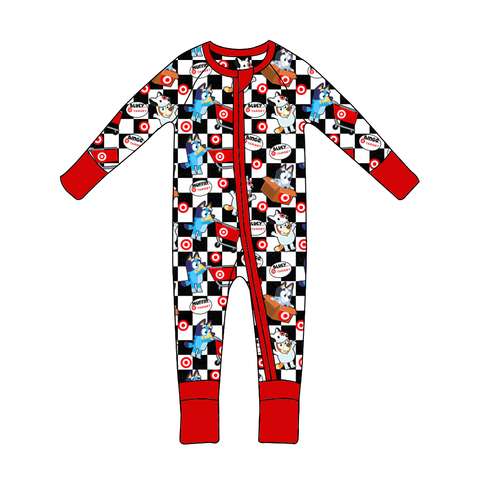
The Role of Bamboo Fabric in Babywear
Bamboo, as a textile material, is ideal for use in baby garments like rompers due to its unique blend of features. It offers unparalleled softness, natural antimicrobial properties, and moisture-wicking capabilities. These qualities not only enhance the comfort and safety of the garment but also contribute to its practicality.
For manufacturers, understanding the technical characteristics that define bamboo fabric, such as GSM and density measurements, is vital to producing a high-quality product that aligns with consumer expectations while optimizing efficiency in production processes.
Understanding GSM in Bamboo Fabric
GSM (grams per square meter) is the cornerstone of fabric quality and durability evaluation. It measures the weight of the material, often serving as a guide to determine fabric thickness and sturdiness. In the context of baby bamboo rompers, GSM plays a critical role because it impacts the functionality and comfort of the garment.
Manufacturers often aim for a GSM range between 180 and 250 for bamboo babywear. A lower GSM (around 180) ensures lightweight, breathable fabric, ideal for warmer climates or summer collections. On the other hand, higher GSM values, approaching 250, provide robustness and insulation, suited for cooler environments.
- Assessment and Testing: Reliable GSM measurement tools and protocols are critical. Many manufacturers use rolling scales and digital fabric analyzers to test GSM consistently during production.
- Optimization: The choice of GSM isn't just a question of comfort but also determines the cost-effectiveness of production. Higher GSM fabrics are heavier and therefore use more raw materials, potentially increasing production costs.
Fabric Density: Balancing Softness and Durability
Fabric density directly impacts the tactile qualities and durability of bamboo rompers. Density reflects the tightness of the weave and the thread count per unit, factors that influence the garment’s appearance and lifespan.
Bamboo fibers are often woven or knitted using advanced techniques to optimize density for babywear applications. A moderately dense fabric ensures protection against wear and tear while maintaining a soft, plush feel. For bamboo rompers, double-knit construction is preferred for enhanced resilience, while single-knit structures offer breathability suitable for summer use.
- Weaving Techniques: Circular knitting machines or flatbed knitting machinery are often employed to manufacture bamboo fabric to achieve precise density levels tailored to specific romper designs.
- Impact of Density on Production: Higher density fabrics can slow down machinery output due to the increased tension during weaving. Automated monitoring systems help ensure consistency without sacrificing efficiency.
Industrial Machinery for Bamboo Fabric Production
Producing baby bamboo rompers involves advanced machinery specifically tailored to handle the unique properties of bamboo fibers. These fibers, while soft and eco-friendly, are technically demanding to process. Industrial machinery plays a crucial role in mitigating challenges and ensuring consistent product quality.
Textile Processing for Bamboo Fibers
The process begins with converting raw bamboo into viscose or bamboo lyocell through chemical or mechanical means. After processing into usable fibers, machinery such as carding machines aligns the fibers to create a uniform sliver. Careful calibration of these machines helps prevent fiber degradation, preserving bamboo’s natural softness and strength.
Knitting and Weaving Machines
Bamboo yarn can be transformed into fabric through knitting or weaving processes. Circular knitting machines are ideal for lightweight rompers, while dense fabric construction often opts for flatbed knitting machinery. Programmable machines with advanced tension control are preferred for bamboo, as they prevent yarn snapping and ensure consistent weave patterns.
Dyeing and Finishing Equipment
After knitting or weaving, bamboo rompers undergo dyeing and finishing processes using industrial washers, dyeing machines, and stenter frames. Modern machinery must be adept at handling bamboo’s absorbent nature to ensure even dye distribution while minimizing chemical usage to adhere to eco-friendly standards. Manufacturers often leverage ultrasonic finishing systems for natural dye fixing on bamboo fabrics.
Safeguarding Sustainability Through Technical Excellence
One of the factors contributing to bamboo rompers’ popularity is their eco-friendly appeal. Bamboo thrives as a sustainable raw material, but manufacturers must ensure that the production processes align with environmentally conscious practices. Reduced energy consumption, waste management, and water conservation are critical priorities.
| Fabric Type | Pima Cotton |
| Compliance | OEKO-TEX 100 |
| Customization | OEM |
| Lead Time | 30 Days |
- Energy-efficient Machinery: Adopting frequency-controlled motors and high-efficiency power systems minimizes energy consumption, especially during knitting and dyeing processes.
- Recycling and Waste Reduction: Many manufacturers are investing in closed-loop systems to recover chemicals during bamboo fiber processing, significantly cutting down on land and water pollution.
- Certifications: B2B clients often demand internationally recognized certifications such as OEKO-TEX, GOTS (Global Organic Textile Standards), and FSC (Forest Stewardship Council) to validate the sustainability of bamboo babywear.
Technical Insights for B2B Partners
B2B markets for baby bamboo rompers rely on collaborative innovation between textile manufacturers, machinery suppliers, and distributors. Besides producing garments that meet technical specifications, businesses must ensure smooth logistical operations and maintain a competitive edge.
- Material Sourcing: Establishing reliable sourcing partnerships is crucial for high-quality raw bamboo materials to ensure consistent fiber processing for babywear-grade fabrics.
- Machinery Maintenance: Regular inspections and maintenance of machinery help mitigate the risk of production delays and ensure precision in GSM and density calibration.
- Market Adaptability: Textile manufacturers must remain agile, adjusting GSM and density requirements to suit seasonal demand while exploring machinery upgrades for greater efficiency.
: Technical Precision Meets Comfort
The manufacturing of baby bamboo rompers embodies the blend of sustainability, functionality, and technical precision. From selecting optimal GSM levels and fabric density to leveraging advanced industrial machinery, each step in the production process is critical to achieving a superior textile product. By embracing technical expertise and eco-conscious processes, businesses can not only meet but exceed the expectations of their B2B clients and end consumers alike. Bamboo rompers represent an opportunity for innovation in the textile industry, uniting technical advancement with environmental stewardship.
For manufacturers and distributors looking to invest in baby bamboo rompers, understanding the nuances of GSM, fabric density, and machinery will be the key to optimizing production and ensuring product excellence.