Private Label Newborn Baby Bodysuits Tailormade Supplier
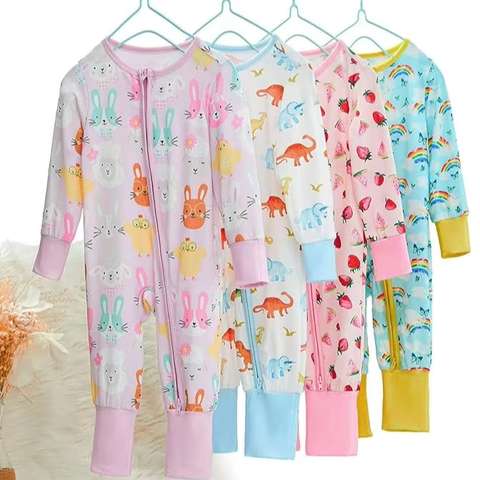
Innovations in the Manufacture of Newborn Baby Bodysuits: GSM, Fabric Density, and Machinery
Baby bodysuits are a staple in every newborn’s wardrobe, providing both comfort and practicality. However, many manufacturers overlook the technical details that ensure quality, safety, and durability. Businesses involved in the production and supply chain of newborn bodysuits must navigate critical aspects such as fabric GSM, density, and the industrial machinery used in manufacturing. Each of these components plays a vital role in the final product’s quality and appeal. This article will explore these technical foundations while outlining how advancements are redefining this competitive, high-demand industry.
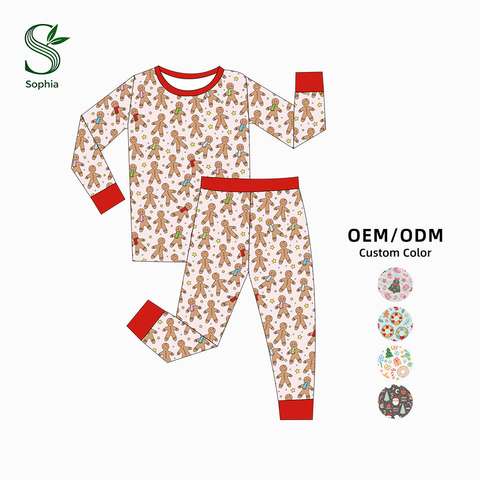
Understanding GSM and Its Impact on Baby Bodysuits
GSM, or grams per square meter, is a crucial metric for determining fabric weight. In baby bodysuits, the GSM directly influences the garment’s softness, breathability, and functionality. For newborns with sensitive skin, using fabrics with the correct GSM is non-negotiable. But what is the ideal GSM for baby bodysuits, and how do manufacturers navigate these requirements?
Typically, baby bodysuits are crafted from fabrics with a GSM ranging between 120 and 200. A lower GSM denotes a lighter fabric, which is more breathable and suitable for warmer climates. Conversely, higher GSM fabrics, generally approaching 200, provide better insulation and durability, making them ideal for colder environments. Balancing these factors allows manufacturers to create versatile bodysuits that cater to a global market.
Fabric Density: An Often-Overlooked Pillar of Quality
While GSM focuses on fabric weight, density measures the thread count and weave tightness. For newborn bodysuits, achieving the right fabric density ensures durability without compromising softness. A densely woven fabric creates a smooth surface that reduces skin irritation, an essential feature for baby garments.
In industrial manufacturing, the choice of weave pattern also affects fabric density. For example, an interlock weave provides a thicker, stretchable fabric, making it ideal for bodysuits. On the other hand, a jersey weave offers lighter and more breathable fabric, but it may compromise the garment’s longevity. Manufacturers constantly weigh these trade-offs to deliver products that satisfy both parents and retailers.
Industrial Machinery: The Backbone of Production
The industrial machinery used in producing newborn bodysuits determines the efficiency, precision, and scalability of manufacturing operations. Advancements in machinery technologies are enabling higher output rates without cutting corners on quality.
Knitting Machines and Fabric Preparation
The production process typically begins with fabric creation, where high-tech circular knitting machines play a pivotal role. These machines allow for precise control over GSM and density, ensuring uniformity in the fabric. Automated adjustments for stitch length, tension, and fabric weight significantly enhance production accuracy, thereby reducing material waste.
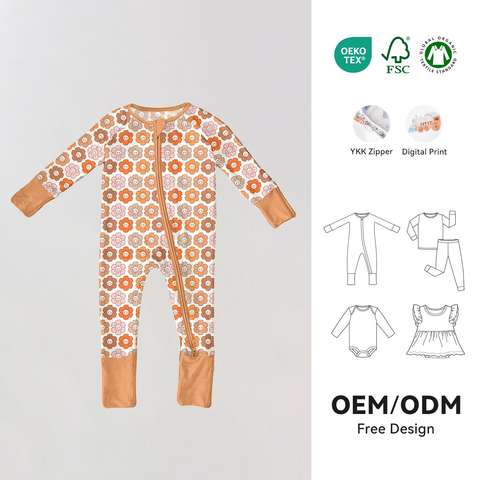
Cutting-Edge Fabric Cutting Techniques
Laser and die-cutting machines have revolutionized the way fabric is processed during bodysuit manufacturing. These devices provide precision cutting according to standardized patterns, minimizing errors and ensuring a perfect fit. With computer-aided design (CAD) systems integrated into cutting machinery, manufacturers can fine-tune patterns to accommodate various sizes and styles.
Overlock and Flatlock Stitching Machines
Stitching and seam quality are critical in baby bodysuits to avoid chafing and ensure durability. Modern overlock and flatlock stitching machines are specifically designed for producing baby clothing. These machines handle delicate fabrics without causing material tears while ensuring seams are smooth and resilient. Overlock stitching is commonly used for side seams, while flatlock stitching is ideal for areas in direct contact with the baby’s skin, such as the crotch and neckline.
Tag-Free Technology for Seamless Comfort
An emerging trend in baby clothing manufacturing is tag-free technology. This innovation involves using heat-sealing or direct printing techniques to eliminate sewn-in fabric tags, which can irritate a newborn’s sensitive skin. Tag-free technology ensures parental satisfaction while adding a competitive advantage for manufacturers in the B2B market.
| Fabric Type | Pima Cotton |
| Compliance | ASTM F963 |
| Customization | Tailor-made |
| Lead Time | 22 Days |
Inspection and Quality Control Automation
Automated quality control (QC) systems are becoming a standard feature in production facilities. These systems employ high-speed cameras and sensors to inspect fabrics and seams for defects, ensuring only flawless products reach the market. With real-time feedback, manufacturers can address issues immediately, minimizing downtime and product recalls.
Sustainability in Baby Bodysuit Manufacturing
Sustainability has become a driving force across the textile industry, and newborn bodysuits are no exception. Businesses are increasingly investing in eco-friendly fabrics, organic dyes, and energy-efficient machinery to meet consumer demand for sustainable products.
Organic cotton is among the most popular fabric choices for baby bodysuits due to its softness, breathability, and absence of harmful chemicals. , some companies are exploring bamboo and recycled polyester as alternatives, which offer similar benefits while further reducing environmental impact.
Market Implications for B2B Buyers
B2B buyers in the baby clothing sector must navigate a complex landscape of technical requirements, consumer preferences, and sustainability demands. By prioritizing suppliers that showcase excellence in GSM optimization, fabric density, and machinery innovation, buyers can ensure consistent quality and reliability in their product lines.
Strategic partnerships with manufacturers employing advanced machinery and sustainable practices can also open new doors in competitive markets. With growing demand for infant-safe and eco-conscious products, aligning with forward-thinking manufacturers is not just a value proposition—it’s a necessity.
Newborn baby bodysuit manufacturing involves far more than aesthetics. From the role of GSM and fabric density in ensuring comfort and durability to the precision of state-of-the-art industrial machinery, every technical detail matters. Sustainability adds another layer of complexity, but it also creates an opportunity for businesses to lead in a rapidly evolving market.
Whether you are a manufacturer or a B2B buyer, understanding these technical nuances will enable you to meet consumer demands and set new standards in quality and innovation. By investing in advanced machinery, sustainable practices, and meticulous quality control, you can secure your place in a highly competitive landscape while fostering trust with end users.