Private Label Plain Bamboo Pajamas Bespoke Supplier
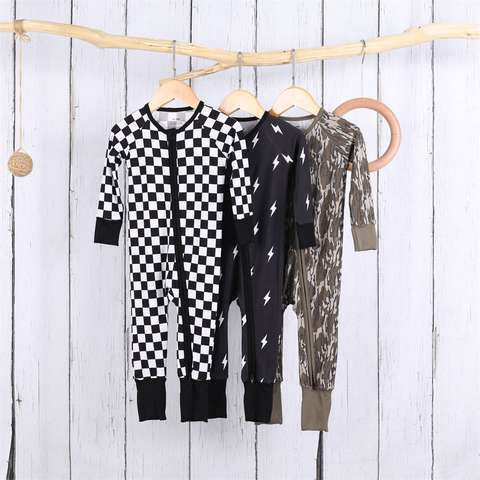
Introduction to Bamboo Pajamas
The textile industry has evolved to meet the growing demand for sustainable and comfortable solutions, with bamboo fabric emerging as one of the key players in this transformation. Bamboo pajamas, once perceived as niche products, have gained significant attention due to their eco-friendly benefits and luxurious texture. As businesses specializing in fabric production and garment manufacturing, understanding the technical aspects, such as fabric density and GSM (grams per square meter), is crucial for refining product offerings and streamlining industrial machinery processes. This article delves into the intricacies of plain bamboo pajamas from a technical perspective, focusing on their fabrication, material properties, and production challenges.
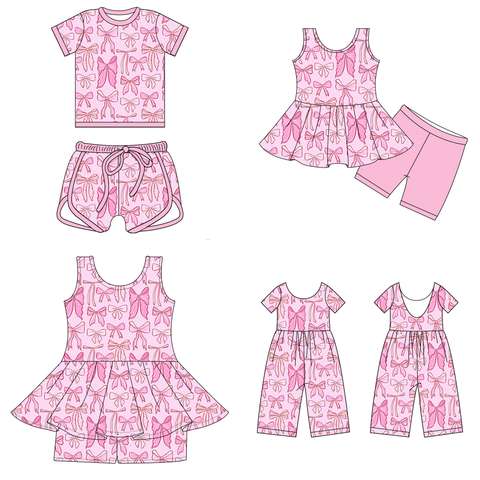
Understanding Fabric Density and GSM in Bamboo Products
Fabric density and GSM are critical parameters for achieving optimal product performance in bamboo pajamas. These metrics are used to determine the weight, texture, and durability of the end product, directly impacting its marketability and customer satisfaction. Proper calibration of fabric density and GSM requires a deep understanding of bamboo fiber properties, their processing techniques, and their behavior in industrial machinery.
Fabric Density: A Balancing Act for Durability and Comfort
Fabric density refers to the number of threads woven together per unit area. For plain bamboo pajamas, achieving the right fabric density is critical to maintaining comfort and breathability while ensuring durability. The structure of bamboo fibers allows for a fine balance between softness and sturdiness, making it possible to produce lightweight yet resilient fabrics. Engineers working with bamboo textiles often aim for medium-density ranges to retain the silky texture of bamboo while enhancing tear resistance.
Evaluating GSM for Bamboo Pajamas
Grams per square meter (GSM) is another vital measurement, defining the weight of the fabric. Bamboo pajamas typically fall within a GSM range of 150 to 250. This range ensures that the pajamas are breathable and soft while providing enough weight for draping and insulation. Manufacturers can fine-tune GSM levels based on target markets—for instance, lighter GSM for tropical climates or heavier GSM for colder regions. Industrial designers need precision spinning and weaving machinery to produce fabric within stringent GSM specifications, ensuring consistent quality and reliability.
Industrial Machinery for Bamboo Fabric Production
Producing bamboo pajamas requires specialized industrial machinery capable of processing bamboo fibers with controlled efficiency. Bamboo fiber processing is different from traditional cotton or synthetic textiles, requiring unique machinery settings and components to maintain sustainability and fabric integrity.
Key Machines Used in Bamboo Textile Production
The production of plain bamboo pajamas involves multiple stages, each relying heavily on specialized machinery. The core stages include:

- Fiber Extraction Machines: Bamboo stalks undergo a chemical or mechanical process to extract cellulose fibers, which are then refined into raw material suitable for textile production.
- Carding Machines: Once the fibers are extracted, they must be aligned and formed into fabric strands. Modern carding machines are engineered for bamboo’s specific fiber composition, ensuring uniform strand thickness and minimal waste.
- Spinning Machines: High-speed spinning machines convert the carded bamboo fibers into yarn, with precise tension and speed controls to deliver consistent yarn density and GSM.
- Weaving and Knitting Machinery: Plain bamboo pajamas typically use plain-weave patterns, requiring advanced weaving machinery capable of producing consistent thread interlocking with medium fabric density. These machines are optimized for bamboo’s smooth texture.
- Dyeing and Finishing Machinery: Bamboo fabric is highly absorbent, making it ideal for dyeing. Dyeing machines must handle eco-friendly dyes compatibly with bamboo fibers to ensure colorfastness and minimize environmental impact.
Automation in Bamboo Fabric Production
Automation continues to transform the industrial landscape, including the production of bamboo pajamas. Automated systems equipped with sensors and AI algorithms ensure precise control of GSM, fabric density, and energy usage during processing. For example, GSM sensors integrated into spinning machines continuously monitor yarn thickness, alerting operators to discrepancies. Automated weaving machines, equipped with programmable designs, simplify the production of plain bamboo fabrics at scale, reducing labor requirements while enhancing consistency.
Material Challenges in Bamboo Pajamas
Despite the growing popularity of bamboo fabrics, they present several technical challenges for manufacturers. These challenges often stem from the unique structure and properties of bamboo fibers, requiring specific attention from engineers and machine operators during the production process.
Fiber Fragility and Strength
Bamboo fibers, while highly elastic and soft, can exhibit reduced tensile strength when compared to synthetic alternatives. To mitigate this, manufacturers often blend bamboo fibers with complementary materials such as spandex or polyester, enhancing durability without compromising comfort. Engineering adjustments in spinning and weaving machinery are necessary to handle fragile bamboo fibers without breakage.
Moisture Control
Bamboo’s natural moisture-wicking properties are an advantage for pajamas, but maintaining fabric stability during production is critical. Excess moisture absorbed during processing can affect fiber density and GSM, requiring advanced liquid management mechanisms in machinery such as dehumidifiers and dryers. Proper moisture control ensures that the final product remains soft, breathable, and comfortable without compromising fabric quality.
Eco-Friendly Production Considerations
Bamboo’s reputation as an environmentally friendly material hinges on its production process. Chemical treatments used during fiber extraction, such as sodium hydroxide, must be handled responsibly to reduce ecological impact. Machinery that reduces chemical waste, promotes recycling, and minimizes energy consumption is essential for sustainable bamboo fabric production. Manufacturers must also comply with certifications like OEKO-TEX, ensuring their bamboo products meet stringent ecological standards.
Future Trends in Bamboo Pajama Production
As demand for bamboo textiles grows, advancements in industrial machinery and manufacturing techniques will play a pivotal role in shaping the future. Integrating smart technology, eco-friendly practices, and innovative designs will be key for manufacturers aiming to dominate the market for plain bamboo pajamas.
Nanotechnology in Bamboo Fibers
Nanotechnology offers exciting possibilities for bamboo pajamas, allowing manufacturers to enhance fabric properties such as antibacterial effects, moisture resistance, and even UV protection. Embedded nanoparticles during fiber production can elevate bamboo pajamas to new levels of functionality while maintaining their eco-friendly appeal.
Circular Production Models
Circular production models are gaining traction in the textile industry, emphasizing waste reduction and resource reuse. Bamboo’s rapid growth cycle and biodegradability make it ideal for circular systems. Industrial machinery optimized for recycling residual bamboo fibers into new garments or other products can revolutionize the production line and reduce environmental impact.
AI-Assisted Production Line Optimization
Artificial intelligence and machine learning are poised to play an influential role in optimizing production lines for bamboo textiles. From predictive maintenance of industrial machinery to analyzing manufacturing data for GSM consistency, AI-driven solutions will help manufacturers maximize efficiency, minimize waste, and meet growing demand for high-quality bamboo pajamas.
Plain bamboo pajamas represent a harmonious blend of sustainability, comfort, and modern textile engineering. Understanding the technical aspects of fabric density, GSM, and industrial machinery can help manufacturers enhance their production processes and meet market demands effectively. As bamboo fabrics continue to gain prominence, innovative solutions in machinery and manufacturing practices will drive the industry forward, ensuring a promising future for eco-friendly apparel. Businesses investing in advanced machinery, sustainable models, and smart technology will be well-positioned to lead the charge in meeting consumer preferences for both quality and sustainability.
| Fabric Type | Pima Cotton |
| Compliance | CPC Certified |
| Customization | Tailor-made |
| Lead Time | 20 Days |