Bespoke Baby Blanket Oekotex 100 Vendor
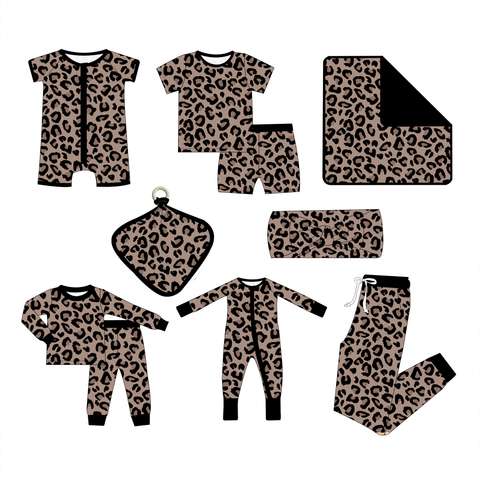
Engineering Insights into Baby Blankets: GSM, Fabric Density, and Machinery
The delicate balance of comfort, durability, and safety needed for baby blankets requires precise engineering principles. From selecting optimal GSM (grams per square meter) to ensuring high fabric density and industrial machinery capable of meeting production needs, manufacturing baby blankets is a technical process that aligns innovative engineering with market demands. In this article, we explore the technical facets that industry professionals must consider when producing baby blankets, focusing on GSM, fabric density, and machinery.
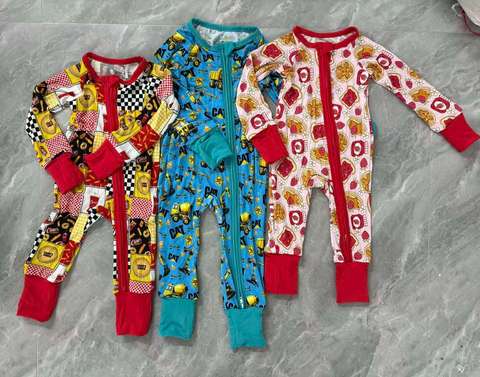
What is GSM and Why Does it Matter in Baby Blankets?
GSM, short for grams per square meter, is a critical value in fabric manufacturing. It refers to the weight of the fabric across a square meter and can directly impact the blanket’s feel, warmth, and durability. In baby blankets, finding the right GSM range is crucial because comfort and warmth are of paramount importance for infants while avoiding bulkiness.
For baby blankets, a GSM range of 200-400 is commonly preferred. At the lower end (200-250 GSM), blankets are lightweight and breathable, ideal for warmer climates or layering. Mid-range GSM values (300-350 GSM) provide a balance between thickness and comfort, suitable for moderately cool environments. Higher GSM fabric, exceeding 400, results in a thicker and warmer blanket, often used in frigid climates or winter seasons.
Industrial manufacturers must carefully select raw materials such as cotton, fleece, or polyester depending on the GSM requirement while ensuring the production machinery is calibrated precisely to maintain consistency during mass production.
The Role of Fabric Density in Baby Blanket Quality
Fabric density measures the tightness of weaving or knitting within a textile. Higher-density fabrics exhibit reduced permeability, enhancing warmth and durability, while lower-density fabrics are more porous and breathable. In baby blankets, achieving the right fabric density is essential to maintain both safety and comfort.
Safety standards require careful consideration of fabric density to prevent overheating while ensuring durability against wear and tear common in baby products. Fabric with medium to high density is ideal, often involving woven structures such as twill or double-knit constructions. These types of fabrics resist fraying and tearing while maintaining a soft texture.
Producers can monitor fabric density during manufacturing using high-precision measuring tools such as digital fabric testers or optical measuring systems integrated into industrial machinery operations. This monitoring ensures consistent quality across production batches.
Industrial Machinery for Baby Blanket Production
The production of baby blankets involves a wide range of industrial machinery. From yarn preparation to fabric manufacturing and final finishing, each step relies on specialized equipment to deliver high-quality results at scale.
1. Yarn Preparation: Spinning and Winding Machines
The foundation of any baby blanket is its yarn. Spinning machines play a vital role in creating high-quality yarn from cotton, polyester, or blended fibers. For baby blankets, yarn fineness and softness are critical considerations. Compact spinning systems that produce uniform and soft yarn are often preferred.
Once spun, the yarn undergoes winding, where advanced winding machines prepare it for weaving or knitting. Tension control mechanisms within these devices ensure smooth winding without yarn breakage or knot formation, which could degrade fabric uniformity.
2. Weaving and Knitting Machines
Fabric manufacturing begins with weaving or knitting machinery, depending on the blanket design. For woven blankets, air-jet looms and rapier looms are popular for their high-speed production and ability to handle delicate and lightweight yarns. These machines feature programmable mechanisms for adjusting weaving patterns and density based on blanket specifications.
If knitting is the preferred method, circular knitting machines or flat knitting machines are employed. These machines create soft, stretchable fabrics with high breathability, often used for fleece baby blankets. Manufacturers typically select industrial-grade knitting machinery capable of producing fine textures and adjustable fabric thickness.
3. Dyeing and Printing Machines
Designing baby blankets often includes colorful patterns or prints that appeal to consumers. Dyeing machines, such as jet-dyeing or beam-dyeing equipment, allow consistent color application across fabrics without compromising softness. Manufacturers often utilize low-impact dyes to ensure safety for infant-sensitive skin.
Printing machines, particularly rotary or inkjet systems, enable customizable designs on blankets. For baby blankets, these machines incorporate high-resolution imaging technology to produce detailed patterns, such as cartoon characters or soothing pastel shades, at industrial scales.
4. Finishing Equipment
Finishing processes enhance the utility and safety of baby blankets. Brushing machines are widely used for fleece and cotton fabrics, giving them a plush texture ideal for baby use. Similarly, shearing machines trim excess fibers and refine blanket surfaces for uniformity.
| Fabric Type | Pima Cotton |
| Compliance | OEKO-TEX 100 |
| Customization | OEM |
| Lead Time | 31 Days |
For environments demanding hypoallergenic or antibacterial properties, specialized finishing machinery applies chemical treatments to fabrics. Softening agents, flame retardants, and anti-static formulations are examples of treatments used to meet market expectations and safety regulations.
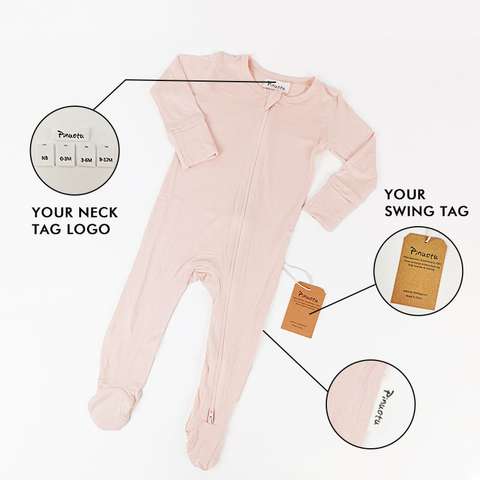
Efficiency and Automation in Modern Baby Blanket Manufacturing
Modern production facilities have embraced automation to streamline the baby blanket manufacturing process. Automated machinery equipped with AI and IoT capabilities ensures consistent quality and reduces the risk of errors during large-scale production.
Robotics is commonly integrated into tasks such as yarn handling, blanket inspection, and packaging. Laser-guided cutting machines improve blanket dimensions' precision, eliminating additional trimming processes while ensuring wastage is minimized. These systems also provide the flexibility to switch between different GSM and fabric densities without requiring extensive manual recalibration, boosting workflow efficiency.
The implementation of predictive maintenance tools within machinery further enhances production reliability. By monitoring machine performance and wear trends, manufacturers can reduce downtime and ensure continuous quality assurance in baby blanket production.
The Importance of Sustainable Practices in Baby Blanket Production
As global industries strive for more sustainable practices, baby blanket manufacturers are adopting eco-friendly approaches to material selection and machinery operations. Using organic cotton, recycled fibers, or biodegradable polyester blends reduces the environmental footprint of raw materials. Additionally, energy-efficient machinery reduces power consumption during intense manufacturing cycles.
Water conservation is another critical aspect for producers utilizing dyeing or treating processes. Closed-loop dyeing systems or waterless dyeing technologies are increasingly adopted across factories to minimize waste and pollutants. , textile waste resulting from cutting and trimming is increasingly repurposed into secondary products such as mattress padding or pet bedding.
Manufacturers aiming for environmental certifications, such as GOTS (Global Organic Textile Standard) or OEKO-TEX, ensure their products meet stringent sustainability criteria. These labels not only satisfy ethical production goals but also resonate with eco-conscious consumers.
Manufacturing baby blankets is far more than an artistic venture; it is an engineering challenge that integrates GSM optimization, fabric density control, and industrial machinery technologies. The technical considerations involved—from yarn preparation to finishing—require precision-guided processes supported by innovative machinery and quality control methods. For B2B clients partnering in baby blanket production, understanding these technical parameters ensures both product excellence and alignment with industry standards.
By investing in automated machinery, embracing sustainable practices, and tailoring fabric GSM and density to consumer needs, manufacturers can bring comfort and safety to infants across the globe while maintaining efficient and eco-friendly operations.