Tailormade Baby Bedding Romper Custom Supplier

Optimizing Baby Bedding Romper Manufacturing: The Role of GSM, Fabric Density, and Industrial Machinery
In the competitive world of textile manufacturing, producing high-quality baby bedding rompers requires precision, innovation, and a deep understanding of various technical factors. Among these, GSM (grams per square meter), fabric density, and industrial machinery play pivotal roles in ensuring durable, comfortable, and safe products for infants. This article delves into the science and engineering behind baby bedding rompers, offering insights for manufacturers aiming to optimize their processes and elevate product quality.

Understanding GSM in Baby Bedding Rompers
GSM, or grams per square meter, is one of the most crucial metrics in textile production. It represents the weight of fabric per square meter, directly influencing the romper's thickness, durability, and feel. For baby bedding rompers, striking the perfect GSM balance is essential to ensure comfort and practicality. A GSM that is too high might make the romper feel heavy and restrict mobility, whereas a GSM that is too low might lead to reduced durability and comfort.
For baby bedding rompers, the ideal GSM range typically falls between 120 to 190 GSM, depending on the fabric type and intended use. Cotton, often preferred for its softness and breathability, is frequently used for such products. A cotton-based romper with a GSM of 150-160 offers the perfect balance of lightweight comfort and sufficient thickness to last through washes and wear. Adjusting GSM precisely requires manufacturers to consider the following factors:
- Fabric Composition: Cotton, bamboo, or blended fabrics influence the appropriate GSM for flexibility and functionality.
- End-Use: Seasonal requirements (e.g., lightweight rompers for summer, heavier ones for winter) play a role in deciding GSM.
- Manufacturing Tolerances: Deviations in GSM during industrial production can adversely affect fabric consistency. Integrating real-time monitoring during manufacturing can mitigate this risk effectively.
The Science of Fabric Density in Romper Comfort and Durability
Fabric density, a related concept to GSM, refers to the number of threads or fibers per unit area of fabric. This characteristic defines the strength, softness, and breathability of the material. For baby bedding rompers, optimum fabric density is critically important, as it contributes to:
- Breathability: Baby skin requires adequate airflow to reduce the risks of irritation and overheating. A tightly woven fabric may restrict breathability, while a loosely woven one could lose its integrity over time.
- Tensile Strength: Stronger fabrics last longer, reduce pilling, and better withstand the mechanical strain of washing machines and industrial cutting processes.
- Softness: Higher thread counts often correlate with softer materials, which are crucial for sensitive baby skin.
In practice, fabric density for baby bedding rompers often comprises 200 to 300 thread counts for woven cotton or an equivalent knit density for jersey fabrics. Precision in achieving the desired density primarily depends on advanced weaving or knitting technologies. , pre-washing and shrinkage resistance treatments ensure the maintenance of fabric density after multiple uses and laundering cycles.
Implementation of Industrial Machinery in Romper Manufacturing
A significant portion of a baby romper's production quality hinges on the machinery used in the manufacturing process. Industrial machines for cutting, sewing, knitting, and finishing should be configured to handle the precise needs of baby bedding rompers. Here’s how state-of-the-art machinery impacts production:
- Knitting Machines: High-performance circular knitting machines are essential for producing soft, stretchable jersey fabrics used in baby bedding rompers. Automated monitoring ensures uniformity in knit density and reduces fabric imperfections.
- CNC Cutting Machines: Precision is pivotal when cutting fabric for baby apparel. CNC cutting machines equipped with CAD integration enhance accuracy, minimize material wastage, and standardize output.
- Overlock and Flatlock Sewing Machines: Seam quality is integral to baby rompers, as uncomfortable seams can irritate an infant's sensitive skin. Overlock and flatlock machines equipped with automated tension settings ensure smooth, low-profile seams that maintain durability and comfort.
- Heat-Set Machines: For certain fabrics, heat-setting processes stabilize shape and improve shrink resistance, ensuring romper dimensions remain consistent after washing.
In addition to these core components, advancements in smart manufacturing, such as IoT-enabled machinery, real-time quality control, and predictive maintenance, also add significant value. These technological enablers boost efficiency, reduce downtime, and ensure consistent product quality.
Key Quality Control Parameters in Baby Bedding Romper Production
Quality control (QC) procedures in baby bedding romper production go beyond the usual standards applicable in general textile manufacturing. Since babies have sensitive skin and higher safety requirements, adhering to stringent QC protocols is imperative. Key QC checkpoints include:
Material and Fabric Quality
To ensure the safety and comfort of baby bedding rompers, fabric materials must be tested for harmful chemicals, dyes, and allergens. Certifications such as OEKO-TEX Standard 100 confirm that textiles are free of substances that can irritate infant skin. , fabric stretchability and recovery are thoroughly measured to ensure repeated use does not compromise romper fit.
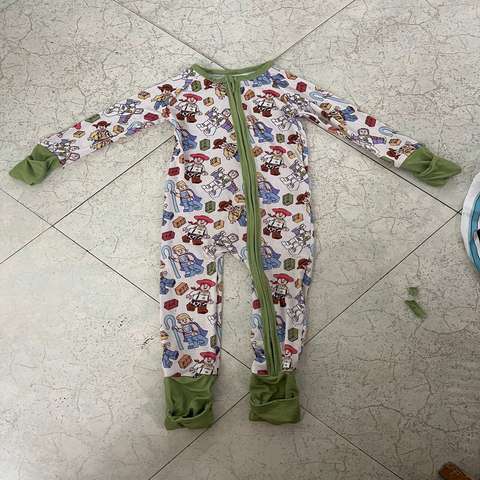
| Fabric Type | Pima Cotton |
| Compliance | CPC Certified |
| Customization | Custom |
| Lead Time | 36 Days |
Seam and Stitch Integrity
Weak stitches or sharp seam edges pose significant risks in babywear. Advanced stitching equipment tests seam strength under mechanical load, ensuring that the romper withstands regular use and tugging without tearing or unraveling. Specific attention is given to areas prone to stress, such as shoulder seams and closures.
Safety and Ergonomics
Baby bedding rompers often use snaps, zippers, or other closures. Each of these components undergoes rigorous pull testing to ensure they adhere securely to the fabric and pose no choking hazards. The placement of labels and tags is also evaluated to prevent skin friction or irritation.
Shrinkage, Pilling, and Colorfastness
Pre-testing for fabric shrinkage, pilling, and color bleeding ensures longevity and aesthetic durability of the rompers. Advanced washing simulations in QC labs allow manufacturers to predict and rectify performance issues before mass production.
Challenges and Future Trends in Baby Bedding Romper Manufacturing
Despite advancements in textile engineering and industrial automation, manufacturers face several challenges related to environmental considerations, energy efficiency, and evolving consumer expectations. Sustainable materials, such as organic cotton and bamboo fibers, are gaining traction, necessitating changes in production techniques and machinery configurations. Additionally, labor and resource optimization is critical to improving profit margins in a competitive market.
The future of baby bedding romper manufacturing lies in the adoption of smart textile technologies. Innovations like antibacterial and moisture-wicking fabrics, coupled with digital twin technology (real-time process simulation), could redefine industry standards. Integrating data analytics within the production ecosystem can also assist in predictive quality management and fabric optimization, reducing variability in parameters like GSM and density.
Manufacturing baby bedding rompers combines art and engineering—balancing comfort, durability, and safety with cutting-edge technical processes. Understanding the interplay between GSM, fabric density, and industrial machinery ensures products that meet stringent consumer demands and regulatory requirements. For manufacturers aiming to lead the market, investing in advanced QC, sustainable materials, and smart production technologies will provide a robust competitive edge.
Whether you are a supplier, producer, or machinery provider, aligning with these technical insights is key to producing superior baby bedding rompers that resonate with both B2B partners and end consumers. By continuously innovating and optimizing every production stage, manufacturers can carve out a stronghold in this ever-evolving industry.