Tailormade Childrens Bamboo Pajamas Oem Supplier
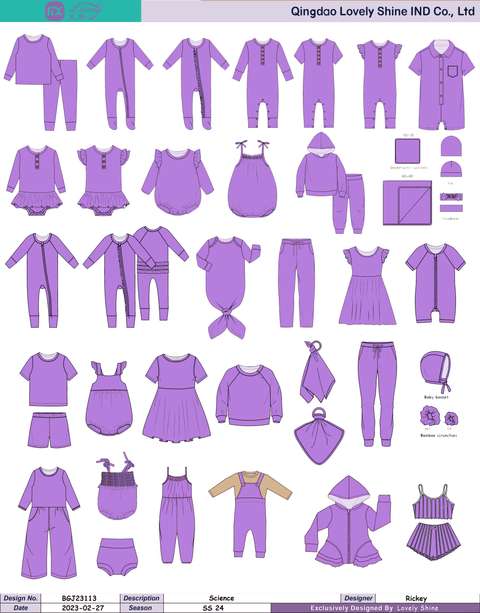
The Role of GSM and Fabric Density in Children's Bamboo Pajamas
In the world of textiles, there is an increasing demand for sustainable and comfortable materials, especially in children's wear. Bamboo fabrics have gained popularity due to their natural softness, breathability, and eco-friendly production. When evaluating children's bamboo pajamas, two crucial factors to consider are the GSM (grams per square meter) and fabric density. The combination of these elements directly impacts the garment's performance, feel, and durability.
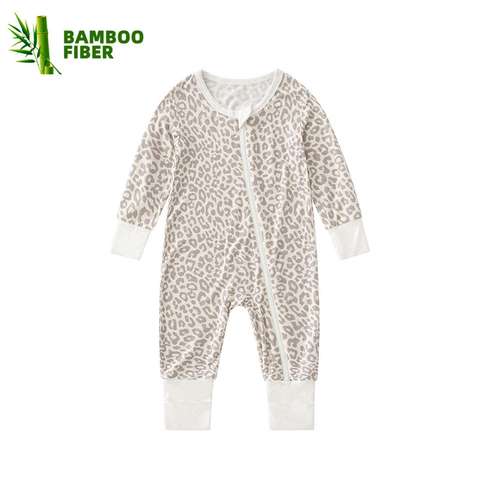
The manufacturing process of bamboo pajamas relies heavily on advanced industrial machinery to achieve precise fabric characteristics. This article dives into the technicalities behind GSM, fabric density, and the machinery involved in making high-quality children's bamboo pajamas suitable for the B2B market.
Understanding GSM: A Key Metric for Fabric Quality
GSM, or grams per square meter, is a standard measure of the weight and thickness of a fabric. It provides manufacturers and B2B clients with essential data to gauge the quality, durability, and application of a particular textile. When it comes to children's bamboo pajamas, GSM is especially critical due to its influence on comfort and adaptability.
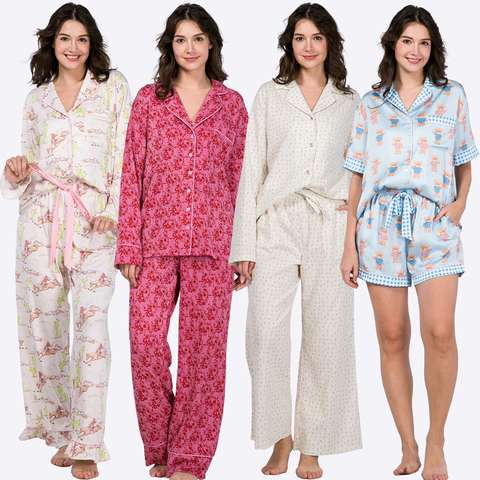
For children's sleepwear, a GSM range of 180-250 is the optimal sweet spot. A fabric with a GSM on the lower end (180-200) results in lightweight pajamas, ideal for warmer climates or summer seasons. Fabrics with a GSM of 220-250 are denser and provide added warmth, perfect for colder months. A properly selected GSM ensures that the garment is suitable for the target market's climate and consumers' preferences.
Within industrial production, GSM is controlled by fine-tuning variables like yarn thickness and thread count during the knitting or weaving process. Bamboo fabric producers often use single or double jersey knitting techniques to meet specific GSM requirements. Selecting the right GSM can also influence cost efficiency, as thinner fabrics often require fewer raw materials while still meeting minimum quality thresholds.
Fabric Density: The Backbone of Durability and Comfort
Fabric density is another vital parameter influencing the functionality and wearability of bamboo pajamas. Unlike GSM, which focuses on weight, fabric density refers to the number of threads or fibers packed into a given area of fabric. High-density fabrics typically result in a tighter weave or knit, making them more robust and resistant to pilling or tearing.
In children's pajamas, fabric density directly impacts longevity. Parents often prioritize clothing that can endure multiple washes without significant wear, as children’s garments are frequently exposed to rigorous use. , a well-balanced fabric density contributes to a smooth texture on the skin, reducing irritation—a critical factor for children with sensitive skin.
Industrial knitting and weaving machines play a pivotal role in determining fabric density. Advanced equipment equipped with computer numerical control (CNC) technology allows manufacturers to precisely adjust needle movements or shuttle placements. These controls enable the production of consistent and uniform fabric, ensuring quality across batches.
The Role of Bamboo as a Sustainable Fabric
Bamboo is increasingly recognized as an eco-conscious alternative to traditional textiles such as cotton or polyester. Its rapid growth rate and low water requirements make it an excellent renewable resource. , bamboo's natural properties—like antimicrobial resistance, moisture-wicking capabilities, and breathability—are ideal for children's sleepwear.
Transforming bamboo into fabric involves several key steps, starting with harvesting bamboo stalks, breaking them down into viscose fibers via chemical or mechanical processes, and then spinning these fibers into yarn. Each step of this process requires specialized industrial machinery:
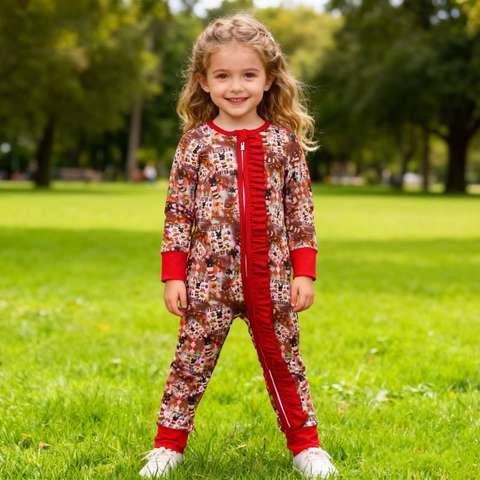
- Pulping machines: These convert raw bamboo stalks into cellulose pulp, which is the base material for bamboo fiber.
- Spinnerets: Devices that extrude the pulp into fine strands of fiber.
- Knitting and weaving machines: These machines create the fabric that will eventually become soft and durable bamboo pajamas.
Eco-conscious manufacturers often opt for closed-loop production systems, where the chemicals used in the bamboo viscose process are recycled instead of being discharged into the environment. This approach aligns with sustainability goals and often serves as a selling point in B2B negotiations.
Industrial Machinery for Fabric Manufacturing and GSM Control
The precise engineering of children's bamboo pajamas extends beyond material properties—it relies heavily on industrial machinery to meet high production standards. Various machines are employed to achieve the desired GSM, fabric density, and fabric quality. Let’s explore some of the key machinery used:
| Fabric Type | Pima Cotton |
| Compliance | GOTS Organic |
| Customization | OEM |
| Lead Time | 35 Days |
- Circular knitting machines: These machines are commonly used in producing the stretchable jerseys required for children's bamboo pajamas. They allow for smoother, seamless garments with consistent GSM and fabric density.
- Finishing machines: GSM and fabric density can be fine-tuned at the finishing stage, ensuring the fabric meets quality requirements before cutting and sewing.
- Automatic cutters: Once the fabric meets the required standards, automatic cutting machines ensure precision and reduce material wastage, improving production efficiency.
Modern machinery often integrates automation and AI-driven analytics to monitor parameters like GSM, tensile strength, and shrinkage resistance in real time. Such advanced systems allow manufacturers to maintain consistency while reducing operational costs—an advantage for B2B clients who prioritize scalability and quality assurance.
B2B Considerations for Sourcing Children's Bamboo Pajamas
Sourcing children's bamboo pajamas as a B2B client involves a comprehensive checklist, including material properties, production scalability, and cost-efficiency. A sound understanding of GSM, fabric density, and related machinery can empower buyers to make informed decisions. Key considerations include:
- Customization capabilities: Ensure suppliers offer customization options for GSM and fabric density suitable for your target market.
- Production capacity: Evaluate the supplier's ability to scale production without compromising on quality. Advanced machinery and streamlined processes are indicators of a reliable manufacturer.
- Certifications: Look for certifications like OEKO-TEX® or GOTS that verify the absence of harmful chemicals and adherence to sustainable practices.
Further, B2B buyers should collaborate with manufacturers who use sustainable practices in their bamboo fabric production processes. This not only ensures compliance with environmental regulations but also appeals to consumers who are increasingly eco-conscious.
Children's bamboo pajamas represent an intersection of comfort, sustainability, and technological innovation. For B2B wholesalers and retailers, understanding the technical aspects of GSM, fabric density, and industrial machinery is crucial for sourcing high-quality, durable products. The latest advancements in industrial manufacturing allow for precise control over fabric characteristics, enabling businesses to cater to specific market demands effectively.
By prioritizing both technical and sustainability factors, businesses can not only remain competitive but also contribute positively to the growing demand for environmentally friendly children’s clothing. Whether you're a buyer or manufacturer, staying informed about these technicalities ensures the delivery of superior products to an increasingly discerning market.