Tailormade Baby Boy Romper Gots Organic Supplier
The Role of GSM and Fabric Density in Baby Boy Rompers
The baby boy romper market has seen a surge in demand, with parents prioritizing both quality and comfort for their little ones. As a manufacturer or supplier in the apparel industry, understanding the technical parameters such as GSM (grams per square meter), fabric density, and how industrial machinery affects production directly impacts product durability, softness, and market success.
The foundation of a high-quality romper lies in its fabric properties. By optimizing GSM and fabric density, you can achieve a competitive edge while ensuring superior consumer satisfaction. Production processes supported by cutting-edge industrial equipment also ensure cost efficiency, consistency, and faster time-to-market solutions. Let’s delve deeper into these key aspects.
Understanding GSM and Its Impact on Romper Quality
GSM, or grams per square meter, is a standard measurement of the fabric’s weight. For baby boy rompers, ideal GSM values typically range between 150 GSM and 250 GSM, depending on the season and purpose. Lightweight fabrics with lower GSM are excellent for summer, offering breathability and comfort, while heavier fabrics are better suited for winter rompers.
The GSM choice must align with the fabric type. For instance:
- Cotton: A GSM range of 180–200 provides softness and durability, ideal for sensitive baby skin.
- Blended Fabrics: Cotton-polyester blends often range between 200–220 GSM, offering enhanced durability and wrinkle resistance.
- Knitted Fabrics: For rompers requiring stretch, GSM values in the range of 150–180 optimize flexibility while maintaining softness.
It's not just about choosing the right GSM but also balancing fabric weight with breathability and stretch. A romper that’s too lightweight may lack durability, while a fabric with excessive GSM can compromise comfort and mobility for the child.
Fabric Density: The Unsung Component of Comfort and Durability
Alongside GSM, fabric density plays a pivotal role in determining romper performance. Fabric density is a measure of the tightness of yarns or threads in a fabric, typically expressed as the number of yarns per square inch. Denser fabrics generally exhibit greater durability, resistance to wear, and enhanced heat retention.
For baby boy rompers, however, balance is again the key. Overly dense fabrics may reduce breathability. Therefore, achieving the right fabric density is equally crucial. Consider these points:
- Thread Count Balance: An optimal thread count for woven baby romper fabrics is 150–300. For knitted options, a looser weave up to 150 threads per square inch allows for stretch without losing resilience.
- Pattern-Dependent Density: Striped or printed rompers often require slightly denser fabrics to maintain pattern clarity without bleed-through.
- Testing Standards: Industry best practices involve rigorous fabric testing during pre-production, including tensile strength and abrasion resistance checks, to validate density parameters.
Combining data from GSM and fabric density ensures baby rompers are not just visually appealing but also engineered for all-day wearability and resilience. However, achieving consistency at scale requires advanced machinery, which we cover next.
Leveraging Industrial Machinery for Baby Romper Production
The modern textile and apparel industry thrives on precision and scalability, made possible by industrial machinery. For baby rompers, cutting-edge machines handle everything from fabric selection and cutting to stitching and finishing with utmost consistency. Below are some critical machinery categories that impact romper production:
Circular Knitting Machines for Fabric Production
In the context of stretchy and breathable rompers, circular knitting machines are often the preferred choice for fabric production. These machines create tubular fabrics without seams, ensuring increased comfort for infants. Key technical highlights include:
- Gauge Ranges: Knitting machines used for baby rompers typically operate in the range of 24-28 gauge, striking a balance between fineness and fabric strength.
- Production Efficiency: Capable of producing up to 100 kilograms of fabric per hour, allowing manufacturers to meet tight deadlines.
- Yarn Versatility: These machines accommodate a variety of yarns such as cotton, polyester, and elastane, enabling material flexibility for different romper designs.
Automatic Fabric Cutting Machines
Once the fabric is prepared, precision cutting takes center stage. Automatic fabric cutting machines streamline this phase, reducing material wastage while maintaining uniformity across batches. Key features include:
- CAD Integration: Machines equipped with Computer-Aided Design (CAD) software allow for intricate cutting patterns, reducing design limitations.
- Stack Cutting: Multiple layers of fabric can be cut simultaneously with high precision, enhancing throughput during mass production.
- Laser Guidance: Advanced laser cutting options ensure edges are thermally sealed, preventing fabric fraying in finished rompers.
The integration of cutting machines in romper production ensures each piece meets exact dimension specifications without manual variability, saving time and reducing cost overruns.
High-Speed Sewing Machines
Stitching seams, attaching zippers, and adding snaps require high-speed sewing machines designed for small garment assembly. For baby rompers, overlock and flatlock machines excel in creating soft, irritation-free seams. Important specifications include:
- Overlock Machines: Designed to sew lightweight fabrics neatly while finishing edges to prevent unraveling.
- Flatlock Machines: Essential for seam-flat finishing, especially in areas that come into direct contact with the baby’s skin.
- Programmable Patterns: Automating stitch paths and tension reduces operator fatigue and ensures consistency.
Incorporating such machines not only increases efficiency but also guarantees compliance with safety standards, a non-negotiable aspect of baby apparel production.
Quality Assurance and Finishing Equipment
The finishing stage is where technical and visual refinements solidify a romper’s market appeal. From labeling to packaging, automated quality checks ensure that rompers reaching consumers are defect-free. Key machinery includes:
- Fabric Inspection Machines: Detect defects such as loose threads, inconsistent weaves, or discoloration before assembly.
- Steam Press Machines: Ironing units equipped with steam jets remove wrinkles and prepare garments for packaging.
- Snap Fastener Attachers: Mechanical fasteners for zippers, snaps, or buttons expedite final assembly without compromising durability.
Using advanced finishing machines emphasizes professional appearance while upholding functional robustness—a must in baby clothing.
The Path to Technical Excellence in Baby Boy Rompers
From selecting appropriate GSM values to leveraging precision-focused industrial machinery, the production of baby boy rompers weaves together science, craftsmanship, and technology. By optimizing GSM and fabric density parameters, manufacturers can engineer fabrics that deliver the gentle softness and durability that discerning parents expect, while also achieving operational efficiency through automated workflows.
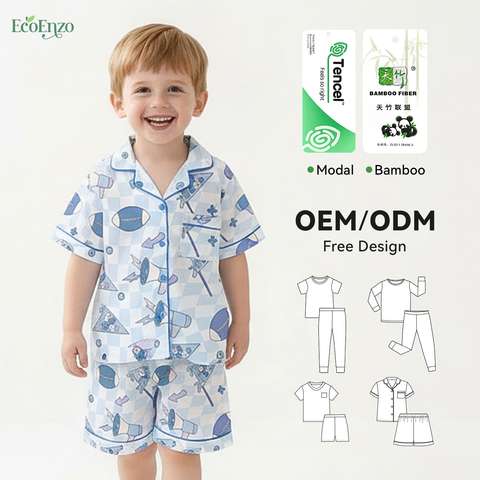
| Fabric Type | Organic Bamboo |
| Compliance | OEKO-TEX 100 |
| Customization | OEM |
| Lead Time | 31 Days |
Investing in the latest innovations across the production line not only minimizes waste but also ensures uniformity, even in large batches. As the market for baby apparel continues to expand, aligning technical decisions with consumer demand ensures a sustainable and profitable future for businesses in this sector.