Custom Characters Bamboo Pajamas Kids Bespoke Factory
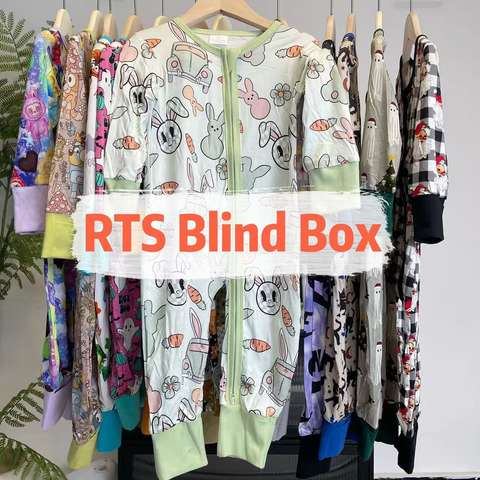
Understanding the Key Characteristics of Bamboo Pajamas for Kids
From sustainability to comfort, bamboo fabric has quickly become a standout material in the children’s sleepwear market. With growing demand for eco-friendly and skin-friendly solutions, businesses looking to produce bamboo pajamas for kids should evaluate the material and the machinery needed to manufacture it effectively. This article delves into the critical features of bamboo pajamas for children, focusing on GSM (grams per square meter), fabric density, and the industrial machinery involved in production.

The Importance of GSM and Fabric Density in Bamboo Pajamas
When manufacturing pajamas for kids, understanding GSM and fabric density is vital, as these properties determine the fabric's durability, comfort, and suitability for children’s delicate skin. GSM refers to the weight of fabric in grams per one square meter, while fabric density focuses on the tightness of the weave or knit pattern.
For kids’ bamboo pajamas, a typical GSM range falls between 150 and 200. This range strikes an ideal balance between softness and durability. A lightweight GSM around 150-180 is breathable and suitable for warmer climates or summer products, while a denser fabric around 190-200 GSM works well for cooler weather, providing increased thermal insulation without compromising on comfort.
Fabric density complements GSM by influencing the bamboo fabric’s stretch, strength, and behavior. Manufacturers must aim for uniformity in the density to ensure consistent product quality. Any inconsistency in fabric weight or texture can compromise the final product’s look and feel, an especially critical factor for children’s sleepwear, which demands designs tailored for safety, softness, and durability.
Bamboo Fabric Qualities: Hypoallergenic and Moisture-Wicking
Bamboo fabrics have unique qualities that make them suitable for children’s pajamas. , bamboo is hypoallergenic, which means it is gentle on sensitive skin. This characteristic makes bamboo an attractive option for toddlers and younger kids prone to skin irritation or eczema. The chemical-free process for turning bamboo fiber into fabric further ensures a non-toxic product.
Additionally, bamboo's inherent moisture-wicking properties help regulate body temperature. This feature keeps children cool in the summer and comfortably warm during colder months. Partnered with proper fabric density and GSM, bamboo fabric’s quick-drying ability greatly enhances the pajamas' functionality. These factors highlight bamboo’s suitability for all-season use, increasing its appeal to both parents and manufacturers in the sleepwear sector.
Industrial Machinery for Producing Bamboo Pajamas
The manufacturing of bamboo pajamas involves a range of industrial machinery to process the fibers, weave or knit fabric, and cut and sew garments. Each stage requires specialized equipment to ensure efficiency, uniformity, and quality. Below, we provide an overview of key machinery involved in the production pipeline:
1. Bamboo Fiber Processing Machinery
Bamboo must first be processed into a usable fiber. This involves either a mechanical process (which maintains the material’s natural feel) or a chemical process (to produce bamboo viscose). Mechanical processing uses crushing machinery to break down the plant structure, followed by enzymatic treatment. For high production volumes, chemical processes dominate, leveraging machines to dissolve bamboo into a viscose solution before spinning it into fibers. This stage greatly influences the resulting fabric’s softness and consistency.
2. Weaving and Knitting Machines
Depending on the target GSM and fabric density, manufacturers must select between weaving and knitting machines. Knitted fabrics are often preferred for kids’ sleepwear, as they provide higher stretch and improved comfort. Examples of such machines include single-jersey knitting machines and circular knitting machines, which produce consistent, durable bamboo fabric.
For woven bamboo pajamas, air-jet or rapier looms can create higher-density fabrics with smooth finishes. Through precise tension control, these machines help ensure that the resulting fabric is uniform, enhancing its softness and durability.
3. Dyeing and Finishing Machines
To provide vibrant, customizable colors for kids’ pajamas, fabric dyeing is essential. Industrial dyeing machines such as jet dyeing equipment or continuous dyeing machines are ideal for processing bamboo fabrics. Bamboo has excellent dye absorption properties, ensuring bright and consistent coloring.
Bamboo pajamas also undergo finishing treatments for anti-pilling and dimensional stability using finishing equipment like stenter machines or calendaring machines. Softening agents are often applied to further enhance the silky-soft feel of bamboo fabric.
4. Cutting and Sewing Machinery
Precision is critical when cutting fabric for kids’ sleepwear to minimize waste and ensure consistent sizing. Advanced cutting equipment, such as laser or CAD cutters, supports accurate and efficient cutting, especially for complex patterns.
For sewing, high-speed lockstitch or overlock sewing machines are employed. These machines help create seamless stitches that are comfortable for children to wear, reducing the likelihood of irritation caused by itchy seams. Flatlock sewing machines are also beneficial for bamboo sleepwear to create ultra-flat seams, further enhancing comfort.
5. Quality Inspection and Packaging Equipment
The final step involves quality inspection equipment to ensure the product meets all safety and design standards. Automated inspection machines with optical systems can detect fabric inconsistencies, loose threads, or color mismatches.
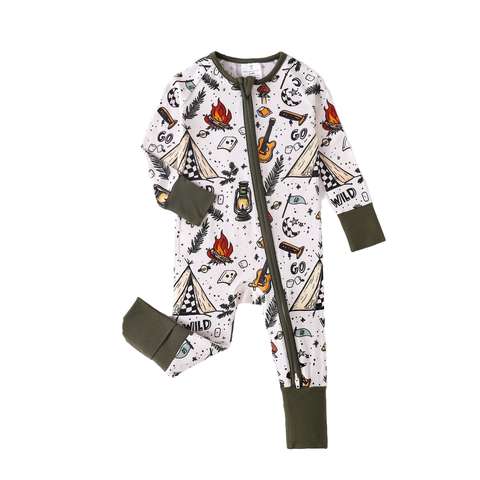
Once inspected, the pajamas are packaged using automated folding and bagging systems, simplifying logistics for large orders. Custom labeling machines allow brands to include sustainability credentials, GSM specifications, and care instructions, which are increasingly important to environmentally conscious consumers.
Meeting Safety Standards for Children’s Sleepwear
When producing bamboo pajamas for kids, manufacturers must adhere to stringent safety standards. Bamboo fabric’s inherent fire resistance gives it an edge, but careful design is still needed to comply with guidelines for flammability, choking hazards (e.g., loose threads or buttons), and fit. Industrial sewing machinery with advanced monitoring systems can help reduce errors during garment assembly, ensuring the pajamas meet safety standards.
Additionally, testing machinery for thermal regulation properties is beneficial for fine-tuning bamboo sleepwear designs. Such tests, carried out in controlled environments, ensure that the fabric provides an optimal warmth-to-weight ratio and performs as advertised.
Sustainability and Market Opportunities
The sustainability of bamboo fabric is a key driver for its adoption in kids' pajamas. Bamboo is a renewable resource, growing rapidly with minimal water and pesticide requirements. Leveraging these ecological benefits in marketing can strengthen a brand’s position in the eco-conscious children’s apparel market.
| Fabric Type | Organic Bamboo |
| Compliance | OEKO-TEX 100 |
| Customization | Custom |
| Lead Time | 39 Days |
However, manufacturers must also ensure their production methods are in line with sustainable principles. Introducing closed-loop systems in chemical bamboo processing and incorporating energy-efficient machinery, such as low-water dyeing equipment or solar-powered mills, can both reduce environmental impact and lower operating costs.
The market for bamboo pajamas is expanding. Parents are increasingly prioritizing products that combine social responsibility, comfort, and longevity. By investing in advanced industrial machinery and maintaining stringent quality standards, manufacturers can capture a significant share of this growing market.
Final Thoughts
The production of bamboo pajamas for kids requires an intricate understanding of fabric characteristics like GSM and density, along with the use of advanced industrial machinery. The hypoallergenic properties, moisture-wicking quality, and sustainability of bamboo make it an ideal fabric for children’s sleepwear. However, ensuring a high standard of production and compliance with safety regulations is essential for success in this competitive market.
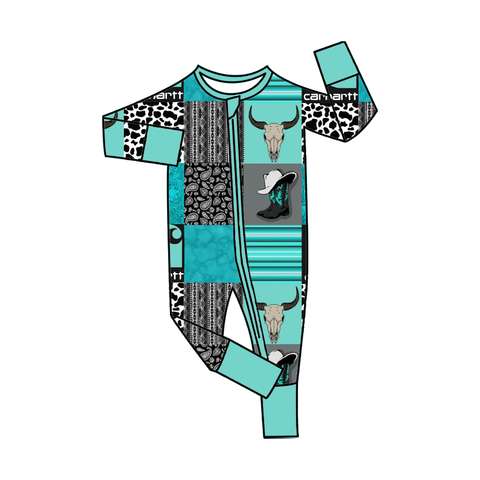
As eco-consciousness drives purchasing decisions, the demand for bamboo sleepwear is likely to grow even further. Manufacturers that prioritize innovations in machinery and invest in sustainable practices will position themselves as leaders in the industry and gain the trust of parents seeking high-quality, safe, and eco-friendly clothing for their children.