Tailormade Bamboo Baby Romper Odm Exporter

Bamboo Baby Romper: A Technical Overview for Textile and Manufacturing Industries
Bamboo baby rompers have disrupted the baby clothing market, celebrated for their superior softness, hypoallergenic properties, and environmental sustainability. However, behind the sleek, seamless design of these garments lies a sophisticated manufacturing process that demands precision engineering, from material selection to fabric manufacturing and machining. This article delves into key technical aspects of bamboo baby romper production, covering GSM, fabric density, and the pivotal role of industrial machinery.
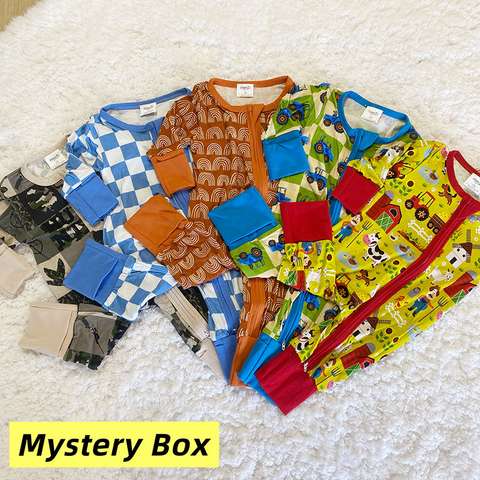
The Role of Bamboo Fiber in Baby Rompers
Bamboo fiber has emerged as a standout material in the textile industry due to its eco-friendliness and unique physical properties. It is derived from bamboo pulp, which undergoes a mechanical or chemical processing stage to produce threads suitable for weaving and knitting. For baby rompers, bamboo fabric is highly valued for its comfort, breathability, and natural moisture-wicking capabilities. These attributes make it ideal for sensitive baby skin, where hypoallergenic and thermal regulating properties are non-negotiable.
But the choice of bamboo fiber isn't merely about properties—it's also engineered for scalability in production while maintaining uniformity in texture and color. Understanding the specifications, such as GSM and fabric density, is crucial to harness bamboo's full potential.
GSM: A Critical Metric in Bamboo Baby Romper Fabrics
Grams per square meter (GSM) is an essential specification in evaluating fabric quality and performance. For baby rompers, a GSM range of 150–200 is typically preferred, balancing softness, breathability, and durability. Let’s break this down in technical terms:
- Low GSM (<150): Fabric in this range offers ultra-lightweight characteristics. However, it is less durable and may compromise structural integrity, especially during industrial laundering processes.
- Medium GSM (150–200): Ideal for baby rompers. This range ensures a soft, flexible fabric with adequate structural strength for daily wear and stretching. It also aligns with stricter requirements for skin contact materials.
- High GSM (>200): Heavier and less suitable for baby garments. While it enhances durability, it compromises breathability, making it suboptimal for children’s apparel.
Maintaining a consistent GSM during production requires precise monitoring of the weaving process and raw material feed rates, which are often automated in large-scale manufacturing plants. Industrial machinery equipped with fabric quality sensors is indispensable in achieving consistency and rejecting defective fibers or rolls during production.
Fabric Density and Its Importance in Baby Romper Manufacturing
Fabric density refers to the number of threads per unit area, usually measured in threads per inch (TPI). While GSM measures weight, fabric density focuses on structural compactness and durability through thread count. Managing fabric density is particularly crucial in baby rompers for several reasons:
- Breathability: Lower thread density can enhance airflow, ensuring the garment remains breathable and comfortable for babies. This is especially critical in baby rompers worn in warm climates.
- Stretchability: Adequate thread spacing allows for natural elasticity when blended with materials like spandex, enhancing movement and comfort for active infants.
- Durability: Higher fabric density provides better structural integrity and wear resistance. This is particularly important for parents who require clothing to withstand frequent washing cycles.
In production, fabric density is determined during the weaving or knitting process. Circular or flat knitting machines often dictate the thread count precision. Automated testing systems for fabric density ensure that all finished rompers meet predefined specifications for thread spacing and thickness, minimizing defects in production. A balance between GSM and fabric density must be maintained to optimize both durability and comfort.
Industrial Machinery’s Role in Bamboo Baby Romper Production
Modern advancements in industrial machinery have revolutionized the manufacturing of bamboo baby rompers, enabling mass production without compromising on quality. Below, we explore the essential machinery employed at various stages of production:
Yarn Preparation and Spinning
The first step in production involves transforming bamboo pulp into usable yarn. This process often includes mechanical spinning, where fibers are spun and twisted into threads. Open-end spinning machines or ring-spinning systems are commonly used for this process, and both ensure efficient production at scale. Additionally, these machines incorporate automated tension calibration to ensure even yarn thickness throughout production.
| Fabric Type | Organic Bamboo |
| Compliance | GOTS Organic |
| Customization | Tailor-made |
| Lead Time | 29 Days |

Fabric Weaving and Knitting
Once yarns are prepared, they are fed into weaving or knitting machines depending on the desired fabric structure. Circular knitting machines are commonly used for baby rompers as they produce seamless and stretchable fabrics. Advanced computer numerical control (CNC) knitting systems monitor each loop’s tension and density, ensuring quality throughout the roll. These systems can produce tubular fabric with minimal waste, a critical advantage when targeting sustainability goals.
Dyeing and Finishing
Dyeing and finishing are crucial for ensuring the aesthetic appeal and functionality of bamboo baby rompers. Jet-dyeing machines are widely employed for even dye penetration. Finishing processes, such as softening or antibacterial treatments, are carried out using padding machines where chemical or enzymatic treatments are applied uniformly. Automation further ensures these treatments comply with regulated thresholds for eco-friendliness and child safety.
Cutting and Sewing
Precision is vital in cutting and sewing fabric into the desired romper shape. CAD-based machinery assists in precise cutting, minimizing wastage while maximizing output per fabric roll. Multi-head sewing machines equipped with sensors handle seaming and stitching to eliminate human error and ensure a smooth, non-irritating finish for sensitive baby skin. Industrial-grade overlock machines are also integrated for creating durable hems and preventing fabric unraveling.
Final Thoughts
Manufacturing bamboo baby rompers requires a strategic balance of material science, industrial machinery, and careful engineering of GSM and fabric density. From the selection of hypoallergenic bamboo fibers to the deployment of state-of-the-art weaving, dyeing, and sewing machinery, each step of the production process must align with end-user expectations for quality and comfort. For businesses seeking to penetrate the babywear market, understanding these technical nuances is critical for aligning production with consumer demands, especially in sustainability-conscious industries.
As demand for eco-friendly babywear continues to grow, manufacturers must invest in precision machinery, robust quality control mechanisms, and cutting-edge techniques to stay competitive. By adhering to stringent guidelines for GSM, thread density, and hypoallergenic properties, brands can build trust with consumers while pushing the boundaries of eco-conscious innovation.