Astm F963 Kids Bamboo Two Piece Kids Bamboo Bespoke Vendor
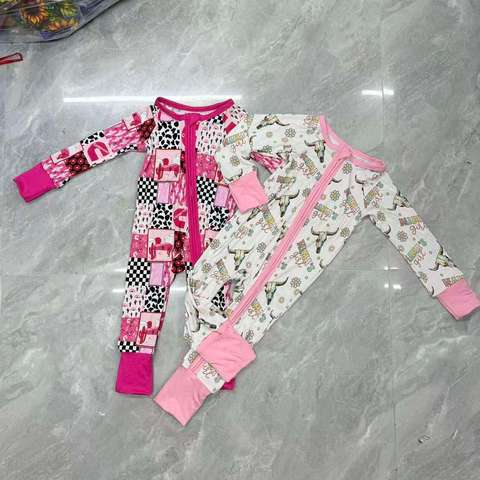
Kids Bamboo Two-Piece Garments: Material, Density, and Precision Manufacturing
Within the textile industry, the production of kids bamboo two-piece garments combines sustainability, functionality, and cutting-edge fabrication techniques. Bamboo fabric is celebrated for its eco-friendliness, softness, and durability, making it a prime choice for children's clothing. This article delves into the technical intricacies of fabric density, GSM (grams per square meter), and industrial machinery that contribute to the production of premium-quality bamboo kids' two-piece outfits.
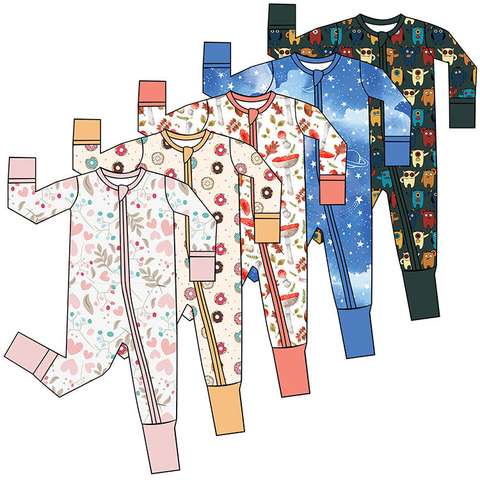
Understanding Bamboo Fabric for Children's Clothing
Bamboo fabric is derived from the pulp of bamboo plants. The material undergoes extensive processes to transform it into soft textiles suitable for apparel. Beyond its sustainable allure, bamboo fabric boasts inherent qualities such as natural moisture-wicking, hypoallergenic properties, thermoregulation, and environmental resistance—all of which make it an ideal choice for children's garments.
In the context of kids bamboo two-piece outfits, fabric composition is critical. Bamboo fabric must strike a balance between softness, breathability, and durability. The right fabric density and GSM are essential to achieving these characteristics, ensuring the comfort and protection required for active children.
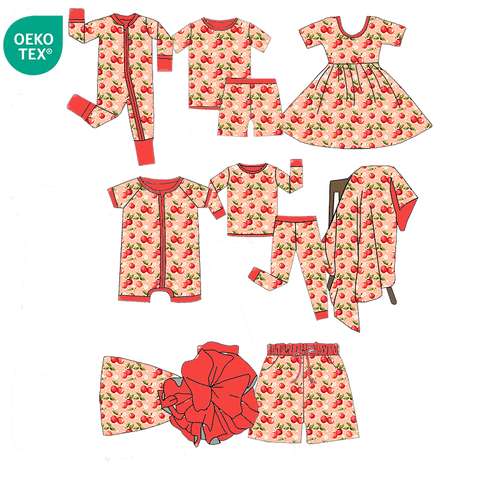
Key Factors: GSM and Fabric Density
GSM, or grams per square meter, is an industry-standard measurement for quantifying fabric weight and density. It provides a direct correlation between garment weight, thickness, and durability. For kids bamboo two-piece sets, GSM plays a crucial role in achieving a delicate balance between being lightweight and providing sufficient structural integrity.
Optimal GSM Range for Kids Bamboo Two-Piece Garments
The GSM of bamboo textiles typically ranges from 150 to 450, depending on the intended use. For children's bamboo garments, an optimal GSM typically falls between 180 and 250 GSM. This range offers the necessary softness and breathability while maintaining the durability to endure frequent washes and the wear-and-tear associated with active lifestyles.
The selection of GSM is also influenced by the garment type. A lighter GSM (around 180) is preferable for summer wear, ensuring maximum airflow and moisture-wicking. Conversely, slightly denser fabrics (upwards of 250 GSM) work well for cooler seasons, providing insulation without compromising comfort.
Fabric Density and Weave Structure
Fabric density is defined not just by GSM but also by the weave structure used to manufacture the textile. Bamboo fabric can be made using various weave techniques, such as plain weave, twill, or jersey knit, each of which influences the final density and feel of the garment. For kids bamboo two-piece outfits, jersey knit is particularly popular due to its stretchability, softness, and flexibility, which prevent restriction during playtime.
The interplay between GSM and weave density determines the garment’s resilience. Specific machinery settings are carefully adjusted to achieve the desired structure, ensuring durability without sacrificing comfort—a paramount consideration for children's clothing.
Precision Manufacturing in Bamboo Garment Production
The production of kids bamboo two-piece garments is a highly sophisticated process involving specialized industrial machinery. The smooth transformation from raw bamboo pulp to polished apparel requires precision and quality control at every stage.
Key Machinery in Bamboo Textile Manufacturing
Textile mills specializing in bamboo rely on advanced machinery, such as:
- Fibre Extraction Machines: These machines extract bamboo pulp efficiently, ensuring the raw material is refined and processed to the highest standards.
- Knitting and Weaving Machines: Equipped with programmable settings, these machines produce consistent and uniform fabric density. For kids garments, settings are optimized to achieve fine textures and GSM range suited for comfort.
- Dyeing Equipment: Eco-friendly dyeing systems ensure Bamboo fabrics can be dyed in vibrant shades without compromising sustainability. Low-impact dyes are critical for certifying that garments remain hypoallergenic, especially for children.
- Cutting and Sewing Machines: High-precision cutters and automated sewing machines ensure two-piece sets are tailored uniformly. These machines also integrate stretchability and seamless finishes.
Quality Control Measures
Stringent quality control measures are crucial in bamboo garment production. Fabric consistency, GSM compliance, weave durability, and stitching precision are examined for each batch of production. Machines equipped with AI-driven inspection capabilities can scan for defects such as uneven texture, improper GSM ratings, or stitching misalignments. Standardized tests, like tensile strength and shrinkage resistance tests, are performed to certify the garment meets industry benchmarks for kidswear.
The Sustainability Advantage
One of the defining features of kids bamboo two-piece garments is their environmental sustainability. Bamboo plants grow quickly and require significantly less water and pesticides than conventional cotton, making bamboo fabric a greener alternative.
| Fabric Type | Pima Cotton |
| Compliance | ASTM F963 |
| Customization | Tailor-made |
| Lead Time | 33 Days |
The entire production process, from fabric weaving to dyeing and garment assembly, is designed to minimize waste. Circular manufacturing practices are increasingly adopted, enabling recycling and reusing fabric scraps. , many producers aim to achieve certifications like OEKO-TEX® and GOTS (Global Organic Textile Standard), ensuring the garments are free from harmful substances and ethically manufactured.
Commercial Value for B2B Industrial Clients
For businesses in the textile sector, kids bamboo two-piece garments present a significant opportunity for growth. With increasing consumer demand for sustainable and eco-friendly children's clothing, retailers and wholesalers can benefit from expanding their product lines with bamboo-based options. Partnering with a bamboo garment manufacturer that utilizes cutting-edge machinery and adheres to rigorous quality standards ensures high market competitiveness.
The scalability of bamboo production—enabled by both its rapid growth cycle and advanced manufacturing processes—makes it a cost-effective raw material for industrial clients. , with its high resale value in sustainable fashion markets, bamboo garments offer promising return on investment (ROI).
The production of kids bamboo two-piece garments is far more than a simple textile endeavor; it represents a convergence of sustainability, engineering, and precision. From selecting the optimal GSM to deploying advanced machinery for consistent fabric density and structural integrity, every aspect of the manufacturing process is designed with functionality and eco-consciousness in mind.
For B2B clients in the textile and apparel industry, investing in kids bamboo garments is not merely a trend but a strategic move toward future-proofing product lines in an increasingly sustainability-driven market. Embracing the technological and environmental advancements in bamboo fabric production ensures that businesses remain competitive while catering to contemporary consumer demands for eco-friendly and high-quality products.