Tailormade Custom Pjs Cpc Certified Exporter
The Role of GSM and Fabric Density in Custom PJs Manufacturing
When it comes to manufacturing custom pajamas (PJs), businesses often focus on aesthetic appeal and comfort. However, for industrial-scale production, technical aspects such as GSM (Grams per Square Meter) and fabric density act as critical factors that determine the product's quality, durability, and wearability. In this article, we will explore the integration of GSM, fabric density, and industrial machinery in the production of custom PJs while providing technical insight for B2B stakeholders.
Understanding GSM and Its Importance
GSM, or Grams per Square Meter, is the standard measurement to define the weight of fabric per square meter. In the textile and garment manufacturing industry, it is a key parameter that directly impacts the weight, thickness, and comfort of the finished product. For custom PJs, the choice of GSM is critical since it is closely linked to the feel and durability of the pajamas.
Low GSM fabrics (around 100-150 GSM) are lightweight and breathable, making them ideal for warm weather pajamas. On the other hand, medium GSM fabrics (150-250 GSM) strike a balance between weight and durability, which is suitable for general-purpose sleepwear. For colder climates or luxurious custom PJs, a higher GSM (250+) may be preferred due to its warmth and denser material construction.
Fabric Density: A Key to Functionality and Quality
Fabric density differs from GSM but is equally important. Where GSM measures the weight of the fabric, fabric density refers to the number of yarns woven or knit together in a particular area of fabric, typically measured as threads per inch (TPI) or threads per square inch (TSI). Higher-density fabrics are tightly woven, resulting in improved durability, reduced fabric pilling, and a smoother finish. Lower-density fabrics, while more breathable, may sacrifice strength and texture.
For custom PJs, striking a balance between fabric density and GSM is crucial. A tightly knit or woven fabric with a medium or high GSM is suitable for premium and long-lasting pajamas. Conversely, lighter, breathable fabrics with lower density and GSM ensure comfort for warmer environments. As such, fabric selection must align with customer preferences and target markets.
The Role of Industrial Machinery in Custom PJs Production
High-quality industrial machinery is paramount in the production of custom pajamas, ensuring precision, consistency, and scalability. Below, we break down the essential equipment used in this process:
Fabric Cutting Machines
The process of making custom pajamas begins with cutting the fabric. Automated fabric-cutting machines, such as CNC (Computer Numerical Control) cutters or laser cutting machines, allow for precise cuts and repeatability. These machines reduce wastage, improve speed, and can handle high fabric volumes, making them indispensable for B2B manufacturers.
Industrial Sewing Machines
Sewing machines equipped for industrial use play a key role in the assembly of PJs. Depending on the fabric type and stitching requirements, businesses may employ lockstitch, overlock, or flatlock machines. For elasticated components like waistbands and cuffs, specialized stretch sewing machines ensure durability and elasticity. These machines are also built to handle high-speed operation, critical for large-scale manufacturing.
Printing and Embroidery Machines
Customization often involves branding, logos, or unique designs added to the PJs. Direct-to-garment (DTG) printers and screen printing machines are widely used for intricate designs, while heat press, sublimation, or vinyl printing provide additional customization options. High-tech embroidery machines are ideal for adding textured logos or patterns, enhancing the product's aesthetic value and perceived quality.
Fabric Inspection and Testing Equipment
Maintaining quality is a key concern in industrial manufacturing. Inspection machines with automated sensors can identify flaws, inconsistencies in weave or knit, and color irregularities. Additionally, testing equipment such as tensile testers ensure the fabric meets strength and durability thresholds. For PJs designed for specific climates, moisture-wicking or thermal resistance testing may also be done.
Packaging Automation Systems
The final stage of custom PJs production involves packaging, which is often handled by automated systems to ensure efficiency. Advanced machinery allows for folding, tagging, and bagging PJs at high speeds, optimizing the delivery timeline for B2B clients.
Material Selection Based on GSM and Fabric Density
Choosing the right material also plays a significant role in the manufacturing of custom pajamas. Cotton, polyester blends, flannel, and bamboo are among the most commonly used fabrics. Each material has distinct GSM and fabric density implications.
- Cotton: Popular due to its breathability, cotton fabric generally has a GSM range of 120-180 for lightweight pajamas and 200+ for heavier options. High-thread-count cotton offers a smooth and luxurious texture for premium products.
- Polyester: Polyester and polyester blends are lightweight and durable, making them a budget-friendly option. With GSMs of 100-150, these fabrics perform well in warmer climates.
- Flannel: Commonly used for winter PJs, flannel has a high GSM (250-400) and a dense weave, making it both warm and soft to the touch.
- Bamboo: Bamboo fabric is sustainable and eco-friendly, with a GSM range of 150-250. It is naturally hypoallergenic and offers excellent moisture-wicking properties.
Key Considerations for B2B Stakeholders
For businesses involved in the production and distribution of custom PJs, understanding technical specifications can aid in making informed decisions. Below are some key considerations:
Client Requirements
Different clients may have different needs. Retailers might prioritize aesthetics and comfort, while corporate clients ordering branded PJs might emphasize customization options and durability.
Cost vs. Quality
The balance between cost and quality is crucial. High GSM and dense fabrics might increase expenses, but they also contribute to a premium product that can be sold at higher price points.
Production Speed and Efficiency
Incorporating efficient industrial machinery is crucial for scalability and meeting supply chain timelines. Automating fabric cutting, sewing, and customization processes ensures consistent high-quality production at reduced labor costs.
Sustainability
As environmental concerns grow, many B2B clients prioritize eco-friendly manufacturing practices. Using sustainable materials such as organic cotton or bamboo and adopting energy-efficient machines can provide a competitive edge.
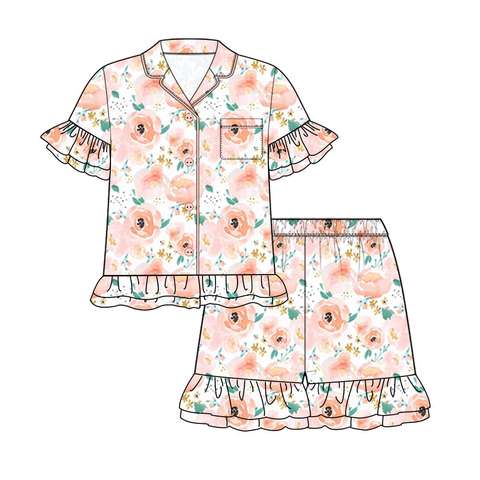
| Fabric Type | Organic Bamboo |
| Compliance | CPSIA Compliant |
| Customization | Bespoke |
| Lead Time | 20 Days |
Future Trends in Custom PJ Manufacturing
The market for custom pajamas is constantly evolving, driven by new technologies and consumer demands. Here are some trends to watch:
Smart Textiles
Advancements in textile technology are paving the way for “smart pajamas” with integrated sensors that monitor sleep patterns or regulate body temperature.
On-Demand Manufacturing
Modern machinery enables businesses to embrace on-demand manufacturing, reducing inventory costs and ensuring more personalized products for consumers.
Sustainability Initiatives
From using recycled PET fibers to implementing closed-loop manufacturing processes, sustainability will remain a key focus for businesses looking to attract eco-conscious clients and end-users.
From GSM and fabric density to cutting-edge machinery, the production of custom PJs is a multifaceted process. For B2B manufacturers, understanding the technical aspects of fabric and production technology is essential to deliver high-quality products that meet customer needs while maximizing efficiency. By remaining adaptable to evolving trends such as smart textiles and sustainability, businesses can position themselves as leaders in the competitive custom PJs market.