Tailormade Custom Polymailer Gots Organic Oem
Custom Polymailer Manufacturing: Exploring GSM, Fabric Density, and Machinery
Custom polymailers are a cornerstone in today’s supply chain and e-commerce sectors, providing businesses with secure, durable, and customizable packaging solutions. While they may seem like simple plastic envelopes to the untrained eye, their manufacturing involves precise engineering, industrial machinery, and intricate material science. In this article, we’ll delve into three key technical aspects of custom polymailer production: GSM (grams per square meter), fabric density, and the industrial machinery required to meet stringent quality standards.

Understanding GSM and Its Role in Polymailer Manufacturing
GSM, or “grams per square meter,” is a standardized metric used to determine the thickness and weight of materials such as polymers used in the packaging industry. For polymailers, GSM is critical because it directly correlates to durability, weight, and cost.
Polymailers are typically manufactured using polyethylene, which can be either low-density (LDPE) or high-density (HDPE). The material’s GSM is measured by weighing a one-square-meter sample, giving an objective numeric value that represents its density. In the case of custom polymailers, a GSM rating between 50 and 120 is common, with variations depending on the use case. For example:
- 50-70 GSM: Best suited for lightweight items like clothing or soft goods, offering adequate protection without excess material.
- 80-100 GSM: Ideal for general-purpose polymailers, balancing strength and flexibility for a range of items.
- 100 GSM and above: Often used for specialty mailers requiring extra durability, such as those designed for electronic goods or heavier items.
Higher GSM ratings enhance puncture resistance, tear strength, and drop-test performance but also increase material costs and transportation weight. Engineering teams must carefully calibrate GSM based on the client’s requirements, balancing cost-effectiveness with product performance.
The Impact of Fabric Density on Polymailer Performance
Fabric density refers to the spatial distribution of polymer chains and is another critical property influencing the mechanical characteristics of polymailers. Although the term "fabric density" traditionally applies to textiles, in polymailers, it’s synonymous with properties like film consistency and material uniformity.
During manufacturing, the polyethylene resin undergoes extrusion and stretching to form the thin, flexible sheets that make up a polymailer. Variations in density can lead to weak spots that compromise the integrity of the final bag. For example:

- Low-density films: Offer greater flexibility and are often used in polymailers for softer goods. However, they may compromise puncture resistance.
- High-density films: Provide excellent tear resistance and rigidity, making them a popular choice for heavy-duty packaging.
Advancements in polymer engineering have allowed manufacturers to precisely control density during the extrusion process. Additives such as fillers, stabilizers, and UV inhibitors can also be incorporated to enhance the material’s performance. Custom polymailers made with multiple layers of varying densities (multi-layer coextrusion) are increasingly in demand, as they combine the advantages of both low-density and high-density materials.
Industrial Machinery: Precision-Driven Production Processes
The production of custom polymailers relies on a range of sophisticated industrial machinery. From material extrusion to printing and cutting, each step of the production process is engineered to achieve high levels of accuracy, efficiency, and scalability.
The Role of Extrusion Machines in Polymailer Fabrication
Extrusion machines form the backbone of polymailer manufacturing. These machines melt and pressurize polyethylene resin through a die to form a continuous sheet of film at specific thicknesses. Parameters such as temperature, extrusion speed, and tension are carefully calibrated to ensure that the film adheres to the desired GSM and density specifications.
Coextrusion lines are particularly relevant for custom polymailers. These machines allow for the creation of multi-layer films with specific properties in each layer. For instance:
- Layer 1 (Outer Layer): Designed for printing and aesthetics, providing smoothness for logos or vibrant designs.
- Layer 2 (Core Layer): Adds strength and rigidity, often consisting of high-density polymers.
- Layer 3 (Inner Layer): Ensures a matte or glossy finish while protecting the contents against moisture or tampering.
Printing Machines for Custom Designs
Custom polymailers frequently feature vivid branding and precise artworks. Printing machines such as flexographic or digital printers are used to apply logos, patterns, or text. Flexographic printing is most common in bulk productions for its speed and cost-efficiency. Digital printing is increasingly used for shorter runs, allowing for quick modifications without additional setup costs.
To ensure durable prints that don’t smudge or fade during transport, manufacturers invest in UV-cured inks and corona treatment machines. Corona treatment alters the chemical properties of the polymailer’s surface, enhancing its ink adhesion capabilities for high-definition results.
Bag Conversion and Cutting Machines
After forming and printing the film, it’s fed into bag conversion machines to add essential features like adhesive strips, gussets, or perforations. High-speed servo-driven machines ensure precision cutting and folding, with tolerances of just a few millimeters. The inclusion of features like tamper-evident seals and dual adhesive strips for resealing further enhances the appeal of custom polymailers in e-commerce and retail.
Quality Control in Polymailer Manufacturing
Quality control is a non-negotiable aspect of manufacturing custom polymailers, especially for B2B suppliers catering to industries with stringent standards. Testing machines are employed to evaluate tensile strength, tear resistance, and heat-seal integrity.
Thickness measurement units verify the consistency of the film across its entire surface, ensuring there are no weak points. Additionally, optical inspection systems use cameras and sensors to detect defects like pinholes, misprints, or wrinkles in the manufactured polymailers.
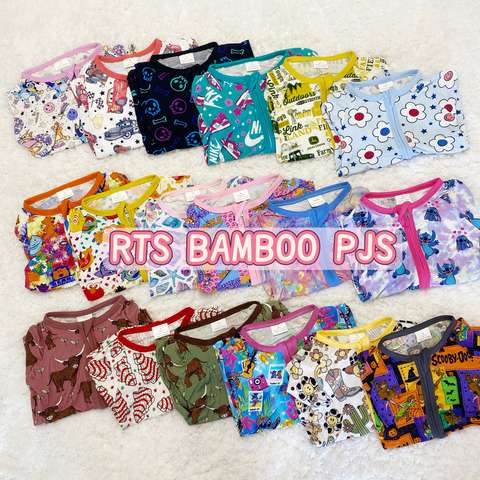
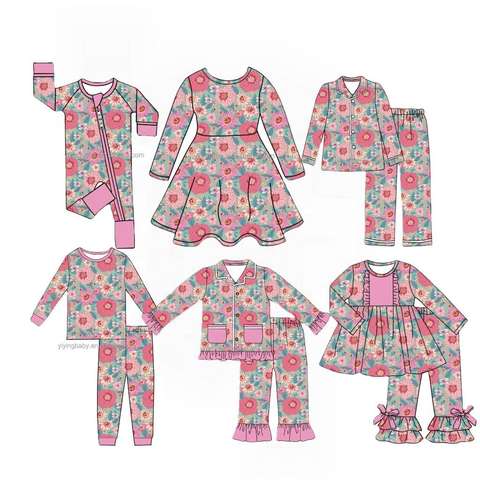
| Fabric Type | Organic Bamboo |
| Compliance | CPSIA Compliant |
| Customization | Private Label |
| Lead Time | 23 Days |
: Engineering Excellence for Custom Packaging
Behind every durable and aesthetically pleasing custom polymailer is a sophisticated combination of material science and industrial machinery. GSM and fabric density are pivotal in determining the strength, flexibility, and weight of polymailers, while advanced machinery ensures precision and scalability in production.
As the demand for custom packaging grows, manufacturers are embracing cutting-edge technologies such as multi-layer coextrusion, high-definition printing, and rigorous quality control systems. This ensures that custom polymailers continue to evolve, meeting the unique needs of businesses across industries while maintaining environmental responsibility. Whether your organization is looking to enhance branding or safeguard products during shipping, custom polymailers remain an indispensable tool engineered to meet modern requirements.