Cpc Certified Bamboo Fabric For Baby Clothes Tailormade Oem
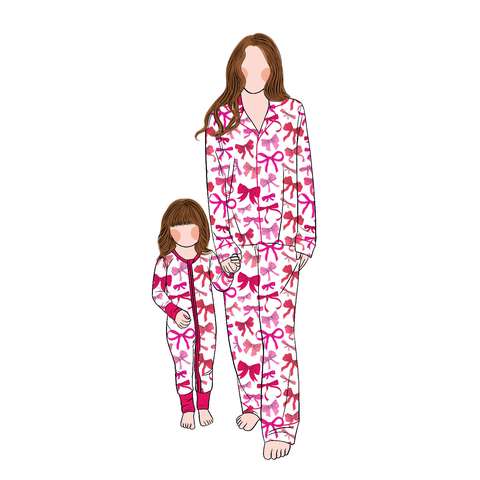
Bamboo Fabric: The Ideal Solution for Baby Clothes
Bamboo fabric has gained remarkable traction across industries, especially in the production of baby clothing. Manufacturers and textile engineers recognize its unparalleled softness, breathability, and sustainability. When choosing the perfect fabric for infants, bamboo stands out. From understanding its GSM (Grams per Square Meter) metrics to leveraging advanced industrial machinery, bamboo fabric offers significant benefits in both application and production. This article outlines the critical elements of bamboo fabric for baby clothes, addressing its unique characteristics and how advanced technology is driving its growth in the textile sector.
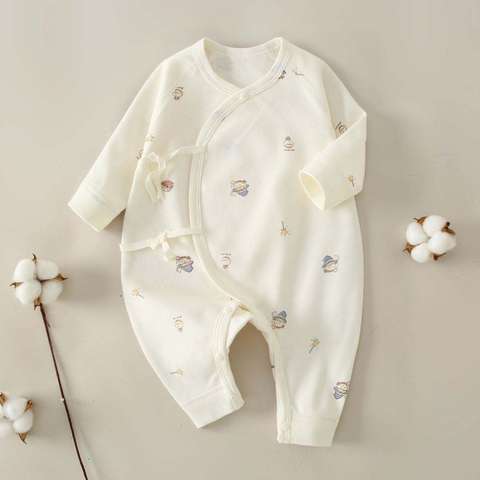
The Science behind Bamboo Fabric
Bamboo fabric is derived from bamboo pulp, which is transformed into fibers through mechanical or chemical processing. The material has a smooth and silky texture, making it ideal for baby skin that requires non-irritating and hypoallergenic textiles. Bamboo viscose, a common variant, is prized for its versatility in weaving and knitting processes.
Technical engineers often examine bamboo fabric’s GSM to evaluate its suitability for various applications. GSM, or Grams per Square Meter, measures the weight of the fabric, reflecting its density and durability. Most bamboo baby clothes fall in the GSM range of 120 to 180, ensuring a balanced fabric weight—light enough for comfort yet dense enough for durability. This fine balance is critical for everyday baby wear.
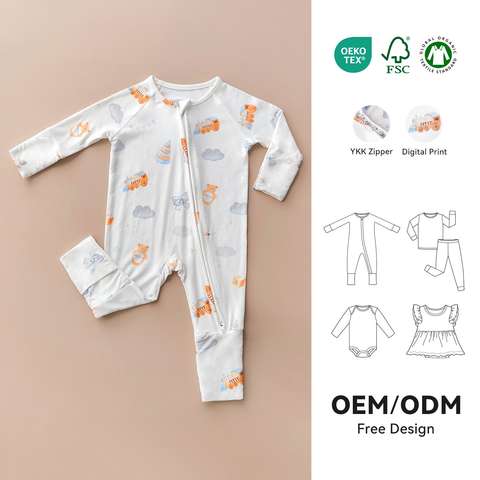
Additionally, bamboo fabric exhibits inherent antibacterial and moisture-wicking properties. These characteristics are particularly important for baby clothing, as they ensure maximum hygiene and freshness for longer wear periods. Another point to note is its breathability; bamboo fabric allows air to circulate efficiently while regulating body temperature—essential for infants, whose bodies are more sensitive to their environment.
GSM and Fabric Density for Baby Clothes
GSM and fabric density play a pivotal role in defining the quality and usability of bamboo baby garments. For baby clothes, the primary considerations include softness, weight, and strength, which are determined by the fabric’s GSM and structural integrity.
What is GSM in Bamboo Fabric?
GSM quantifies the fabric’s weight per square meter. In simple terms, a higher GSM indicates a denser and potentially thicker textile. For baby clothing, most manufacturers target a GSM range that ensures comfort and safety—typically between 120 and 180. A lower GSM might result in a fabric that lacks durability, while an overly high GSM could compromise breathability.
For instance, bamboo fabric used for baby swaddles often sits around 120–140 GSM, providing a lightweight, airy feel. On the other hand, bamboo-based bodysuits or sleepers typically have a GSM of 160–180, offering added durability and warmth without sacrificing softness. The choice of GSM is vital in creating functional apparel while maintaining the delicate properties necessary for infants.
Fabric Density and Baby Safety
Fabric density influences not only the durability of baby clothing but also its safety. A tightly-woven bamboo fabric minimizes the risk of irritation or damage caused by loose fibers. Manufacturers often employ precision weaving machinery to ensure uniform density, resulting in fabrics that are resilient yet gentle on baby skin.
Textile engineers and product developers often conduct tensile strength testing during fabric development to ensure the density is consistent across the material. By achieving optimal fabric density, producers can craft garments that maintain their integrity through extensive wear and frequent washing—two essential requirements for baby clothing.
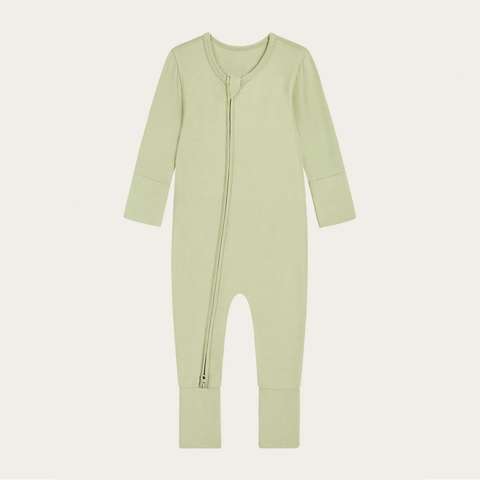
The Role of Industrial Machinery in Bamboo Fabric Production
The transformation of bamboo pulp into high-performance textiles involves intricate processes supported by advanced industrial machinery. These machines determine not just the quality, but also the scalability and sustainability of bamboo baby clothing production. Let’s explore some common machinery used in this process.
Fiber Processing Machines
Bamboo pulp must be processed into usable fibers, a step that can involve either mechanical equipment or chemically-assisted systems. Mechanical fiber processors use advanced rotary cutters and carding machines to extract cellulose from bamboo. Afterward, parallel carding ensures uniform fiber thickness, which is a critical step for maintaining even fabric density in the final product.
| Fabric Type | Pima Cotton |
| Compliance | CPC Certified |
| Customization | Custom |
| Lead Time | 17 Days |
Weaving and Knitting Machines
Once the fibers are ready, weaving and knitting machines convert them into fabric. Shuttle-less looms and circular knitting machines are commonly used to create bamboo textiles for baby clothes. These machines allow for precise manipulation of thread count and weave patterns, making it easier to achieve the desired GSM. The automation features of modern looms also enhance productivity while reducing waste, aligning with the eco-friendly principles of bamboo textiles.
, advanced automation enables high speed without compromising fabric consistency—an essential quality in scaled B2B manufacturing environments.
Textile Finishing Machines
Post-production finishing is another crucial step where specialized industrial tools like calenders, stenters, and sanforizing machines come into play. These machines apply softening agents, remove impurities, and stabilize the fabric to prevent shrinkage, ensuring that bamboo baby clothes retain their texture and fit after repeated washes. Textile finishing enables the creation of silky-smooth garments, perfectly suited for sensitive infant skin.
Sustainability and Market Appeal
The rise of bamboo fabric in baby clothing aligns with growing consumer demand for sustainable and eco-friendly materials. Bamboo is a renewable resource that requires minimal water, pesticides, or fertilizers to grow, making it an environmentally responsible choice. , its biodegradability enhances its appeal for sustainability-focused brands.
From a B2B perspective, offering bamboo-based baby clothes can be a compelling market proposition. Wholesalers, distributors, and retailers increasingly look for fabrics that deliver both superior performance and environmental benefits. Bamboo fabric fulfills these requirements, providing a cost-efficient yet premium solution.
Eco-Friendly Industrial Practices
Beyond the raw material, sustainability extends to production methods. The latest industrial advancements emphasize closed-loop systems that recover chemicals used during the bamboo-to-fiber conversion process. Such innovations minimize environmental damage while reducing costs for manufacturers.
Enhanced Fabric Appeal
In addition to its environmental benefits, bamboo fabric stands out for its luxurious feel and functionality. These attributes can serve as unique selling points (USPs) in marketing campaigns. Larger GSM values, for instance, can be directly communicated to buyers as a marker of premium quality—particularly in climates where warmth and coverage are critical.
Bamboo fabric has rightfully earned its place as a top choice for baby clothing manufacturers. Its blend of softness, breathability, antibacterial properties, and sustainability checks all the boxes for modern textile engineering. With the right focus on GSM and fabric density, businesses can cater to the growing demand for high-quality, eco-friendly baby clothes. Advanced industrial machinery further ensures efficient production processes, maintaining the delicate balance between scalability and quality.
The market for bamboo textiles continues to flourish, making it an opportune time for B2B stakeholders to invest in this versatile and environmentally responsible material. Whether as a startup or an established manufacturer, incorporating bamboo fabrics in your product line is a step toward a greener and softer future for baby clothing.