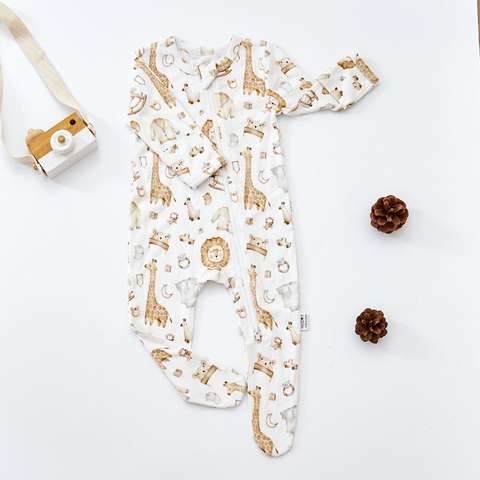
Cpc Certified Bamboo Pajamas Character Custom Odm Wholesale
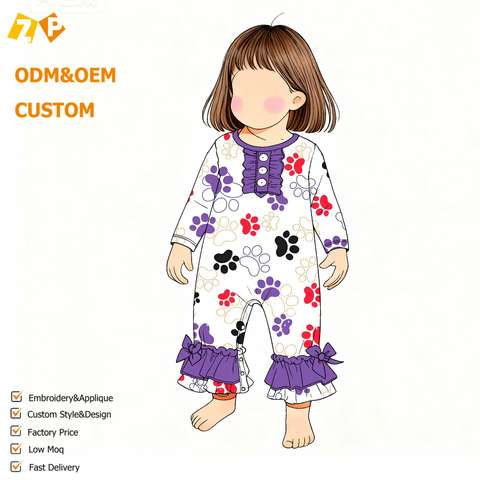
Enhancing Bamboo Pajamas with Character Customization
In the evolving textile and garment industry, bamboo pajamas have become highly sought after due to their eco-friendliness, comfort, and durability. One of the latest trends is the incorporation of character customization into bamboo pajamas to meet consumer preferences. Achieving this level of personalization demands a precise understanding of GSM (grams per square meter), fabric density, and the use of industrial machinery for quality output. In this article, we’ll delve into the technical processes that make character-custom bamboo pajamas not only feasible but scalable in today’s competitive market.
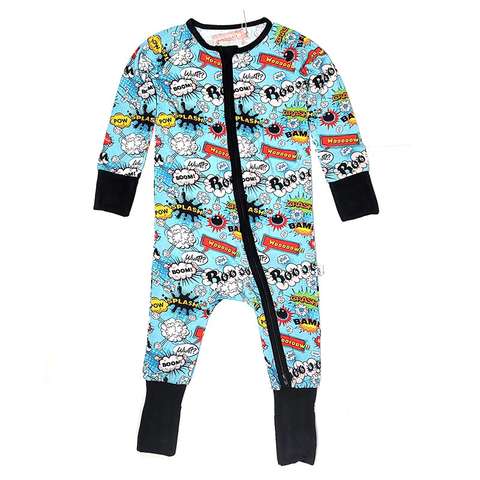
Bamboo Fabric Characteristics for Pajamas
Bamboo fibers offer a unique combination of softness, breathability, and sustainability, making them an excellent choice for sleepwear. However, to realize their full potential in customized pajama production, manufacturers must pay attention to key technical factors:
- GSM (Grams per Square Meter): GSM is a critical measurement when selecting bamboo fabric for pajamas. Typically, proper sleepwear requires a GSM range of 150-200 for lightweight, breathable fabric. For colder climates, a denser GSM of up to 300 may be used.
- Fabric Density: Consistency in fabric density is essential for stability during customization. A uniform weave ensures that character designs are evenly integrated without distortion.
- Sustainable Properties: Bamboo fabric is naturally hypoallergenic, anti-bacterial, and moisture-wicking. These attributes complement the focus on personalization by delivering both comfort and style.
Importance of GSM in Bamboo Pajamas Customization
When customers look for custom bamboo pajamas, especially with character designs, they expect both durability and comfort. GSM plays a vital role in determining how well the fabric accommodates printing, embroidery, or other forms of customization. Here’s how:
- Durability: Higher GSM fabrics can withstand industrial machinery used for customization, such as embroidery or direct-to-garment (DTG) printing, without becoming frayed or distorted.
- Breathability: Maintaining a GSM balance is key to offering a breathable product, especially for sleepwear. Lightweight bamboo fabrics with a lower GSM are ideal for warmer weather, ensuring that comfort is not compromised during customization.
- Ink Absorption: For bamboo pajamas customized with character prints, GSM affects the ink’s ability to adhere to the fabric. Thinner fabrics require specialized adjustments to printing machinery to prevent bleeding or uneven color distribution.
Fabric Density and Its Impact on Design Integrity
Another critical factor when producing customized bamboo pajamas is fabric density. Unlike GSM, which focuses on weight, fabric density relates to the tightness of the weave. This impacts the clarity and precision of character designs applied via industrial methods. Here are some considerations:
- Structural Stability: Denser weaves provide a stable surface for character customization, allowing better adhesion for printing inks and embroidery thread. This prevents warping or gaps in intricate designs.
- Stretchability: Bamboo fabric is known for its elasticity. Ensuring an optimal fabric density allows character designs to remain intact even after repeated stretching, such as during wear or washing cycles.
- Resistance to Deformation: Customization processes such as heat transfer printing can deform loosely woven fabrics. Maintaining a high-density weave mitigates this issue.
Industrial Machinery for Bamboo Pajama Customization
Character customization of bamboo pajamas requires precise manufacturing tools and processes to ensure quality and scalability. Below are several types of industrial machinery used in the sector:
- Direct-to-Garment (DTG) Printers: DTG printers are widely used for adding character designs to bamboo fabric. These printers excel in producing high-resolution images directly onto garments. Due to the softness and absorbency of bamboo fabric, advanced ink formulations are often required to prevent smudging.
- Embroidery Machines: Embroidery machines are ideal for adding detailed character outlines or logos. For bamboo fabrics, stitching density and thread tension must be precisely calibrated to prevent puckering or fabric damage.
- Laser Cutters and Engraving Tools: Laser technology can be used to etch intricate character designs without compromising the fabric’s integrity. This method is environmentally friendly, minimizing waste during the customization process.
- Heat Press Machines: Heat transfer printing requires a steady heat application to embed character designs onto pajamas. Bamboo’s thermal properties necessitate precise temperature control to avoid fabric discoloration.
Challenges and Solutions in Bamboo Pajamas Customization
While bamboo pajamas offer great customization potential, manufacturers often encounter challenges in maintaining quality and efficiency:
- Ink Bleeding: Bamboo fabric can absorb moisture, which may cause ink bleeding during the printing process. This can be mitigated using pre-treatment coatings to create a seal on the fabric’s surface.
- Fiber Shedding: Microfibers from bamboo fabrics may interfere with machinery, especially in DTG printers. Regular maintenance and adjustments to vacuum suction systems can reduce material buildup.
- Color Matching: Achieving color consistency on bamboo fabric can be challenging due to its natural beige tone. Advanced industrial color-matching technologies can help by adjusting for the fabric’s base color.
- Sustainability Balance: Customization processes can sometimes compromise bamboo’s eco-friendly advantages. Manufacturers should invest in low-energy, sustainable machinery to align with consumer expectations for green products.
Future Trends in Bamboo Pajama Manufacturing
Personalization is becoming an industry standard as consumer demands shift toward unique, sustainable products. For bamboo pajamas with character customization, future trends include:
- Advanced Digital Customization: AI-powered design platforms integrated with manufacturing processes will give consumers more control over their bamboo pajama designs.
- Eco-Friendly Innovations: New biocompatible inks and threads will enhance the environmental sustainability of character-custom bamboo pajamas.
- Smart Machinery: Internet of Things (IoT)-enabled industrial machines will allow for real-time adjustments to fabric tension, temperature, and ink quantities during production, improving customization quality.
As these advancements continue to unfold, businesses operating in the textile sector can empower their operations by adopting innovative technologies and thoughtful approaches to bamboo pajama customization.
Bamboo pajamas with character customization represent a harmonious blend of sustainable materials, consumer-focused designs, and cutting-edge industrialization. By mastering the interplay between GSM, fabric density, and advanced manufacturing tools, businesses can produce high-quality garments that resonate with today’s discerning customers. As the demand for personalized products grows, embracing these innovations will be crucial in driving success in the textile industry.
| Fabric Type | Organic Bamboo |
| Compliance | CPC Certified |
| Customization | ODM |
| Lead Time | 28 Days |