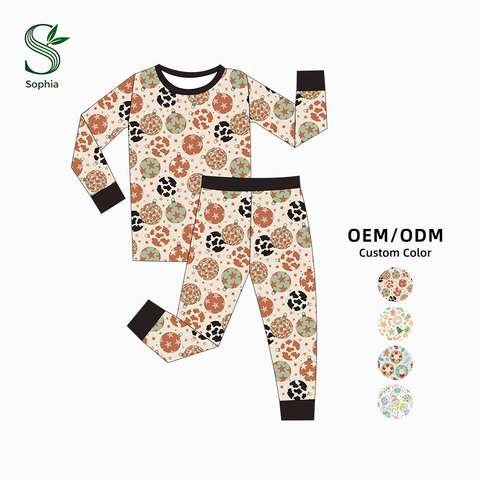
Private Label Bamboo Sleepwear Baby Bamboo Clothes Bamboo Pajamas Baby Jumpsuits Infants Rompers Bamboo Kids Clothing Oekotex 100 Factory
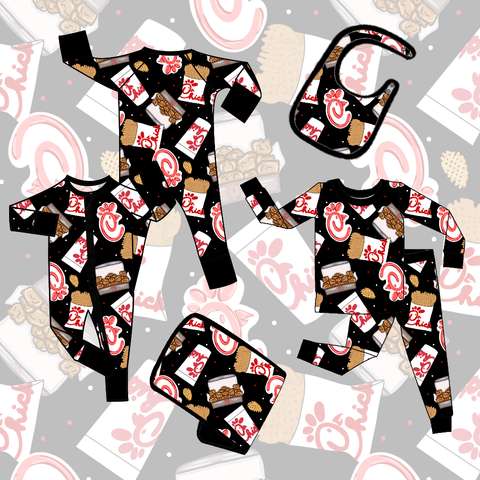
The Engineering Behind Bamboo Baby Clothing
In the rapidly evolving textile industry, bamboo-based fabrics have emerged as a game-changer, especially in infant clothing. This innovation is not just about aesthetics or comfort but is also heavily influenced by engineering approaches to GSM (grams per square meter), fabric density, and industrial machinery. From bamboo sleepwear and pajamas to baby jumpsuits and rompers, the technical aspects play a crucial role in ensuring efficiency, scalability, and quality standards.
Understanding GSM and Its Importance
GSM, or grams per square meter, refers to the weight of fabric per unit area. It is a critical parameter in the production of bamboo clothing, especially for babies, where comfort and breathability are paramount. In engineering terms, GSM is a straightforward function of fiber weave, thread count, and yarn thickness, all of which are fine-tuned in industrial processes to meet specific requirements.
Bamboo fabrics generally require a GSM between 150 and 250 for baby clothing. Sleepwear like pajamas and jumpsuits may demand a slightly higher GSM in colder climates for added thermal insulation, while lighter GSM is preferred for rompers in warmer conditions. The careful selection of GSM directly impacts the tactile properties, durability, and stretchability of the final product.
Fabric Density: Beyond GSM
While GSM provides a measure of fabric weight, density refers to how tightly the fibers are woven together. High-density bamboo fabrics are not only stronger but also more resistant to wear and tear, making them ideal for infant clothing that undergoes frequent washing. Fabric engineers often optimize density through precise control of weaving machinery, ensuring a balance between softness and structural integrity.
In baby bamboo clothing, higher fabric density can also improve moisture-wicking capabilities, crucial for keeping infants dry and comfortable. Additionally, fine adjustments in density ensure that bamboo sleepwear and jumpsuits maintain their shape over time, with minimal shrinkage or distortion.
The Role of Industrial Machinery in Bamboo Clothing Production
Modern manufacturing of bamboo clothing relies on sophisticated industrial machinery to turn bamboo pulp into high-quality fabric. This end-to-end process integrates automation, precision engineering, and sustainable practices to meet the growing demand for baby bamboo clothes.
Step 1: Pulp Extraction
The journey of bamboo clothing begins with the extraction of raw bamboo pulp. To achieve the desired fabric density and GSM, this step involves advanced machinery that ensures minimal waste and high-quality cellulose extraction. Equipment such as twin-screw extruders and enzymatic digesters are commonly employed to process raw bamboo efficiently.
Step 2: Yarn Production
After the pulp has been treated, it is spun into yarn using automated spinning machines. These machines are equipped with sophisticated control panels that allow operators to customize thread count, yarn thickness, and twist tensions. For baby clothing, fine threads are typically used to maintain softness and reduce any potential irritation on sensitive skin.
Advancements in yarn-spinning technology have enabled greater consistency and durability in bamboo fabrics, with minimal defects. This ensures that baby jumpsuits and rompers meet stringent safety and quality standards.
Step 3: Knitting and Weaving
The yarn is then fed into knitting or weaving machinery, depending on the intended application of the fabric. Circular knitting machines are often preferred for delicate and stretchable garments like bamboo sleepwear, while flatbed weaving machines are used for creating firmer, high-density fabrics suitable for outerwear.
Key to this stage is the precise control of fabric density and stretch properties, which are determined by adjusting loom or knitting machine settings. Sensors and software ensure consistent output across production runs, reducing waste and improving efficiency—a crucial factor in competitive B2B manufacturing.
Step 4: Textile Finishing
The final step before cutting and sewing is textile finishing, which enhances the fabric’s texture, color, and functional properties. For bamboo baby clothing, the focus is often on achieving a luxuriously soft finish, antimicrobial protection, and vibrant, non-toxic coloration.
Industrial finishing machines, including calenders, dryers, and stenters, are employed to treat the fabric. Innovations in this domain now allow for low-impact dyeing processes and eco-friendly chemical treatments, aligning with the growing demand for sustainable baby clothing solutions.
Why Choose Bamboo for Baby Clothing?
Enhanced Comfort and Breathability
Bamboo fabrics are celebrated for their unparalleled softness, often compared to silk or cashmere. This level of comfort is particularly important for infants, whose sensitive skin can be easily irritated by rough or synthetic fabrics. The natural microstructure of bamboo fibers also allows for superior breathability, helping to regulate body temperature and reduce moisture accumulation.
| Fabric Type | Pima Cotton |
| Compliance | GOTS Organic |
| Customization | Custom |
| Lead Time | 29 Days |
Eco-Friendly and Sustainable
From a sustainability perspective, bamboo is a standout choice. A highly renewable resource, bamboo grows rapidly without requiring pesticides or synthetic fertilizers. Additionally, manufacturers employing closed-loop production systems for bamboo viscose ensure minimal environmental impact, making baby bamboo clothing a responsible choice for environmentally conscious businesses and consumers.
Antimicrobial and Hypoallergenic Properties
Bamboo fibers also offer inherent antimicrobial and hypoallergenic properties, which are a boon for developing baby clothes. These features help prevent common skin irritations and bacterial growth, ensuring that fabrics maintain freshness and hygiene even with extended use.
The rise in demand for bamboo baby clothing, from sleepwear and jumpsuits to rompers and pajamas, is deeply rooted in the confluence of texture, sustainability, and technological innovation. The precise control of GSM, fabric density, and the use of advanced industrial machinery have made these products not only viable but also highly desirable for environmentally conscious businesses and consumers.
As the textile industry continues to embrace sustainable materials, the role of engineers and machinery will become increasingly pivotal. By bridging the gap between sustainable practices and consumer demands, manufacturers can continue to produce bamboo clothing that is not only beneficial for infants but also for the planet.