Cpc Certified Bamboo Shorties Oem Wholesale
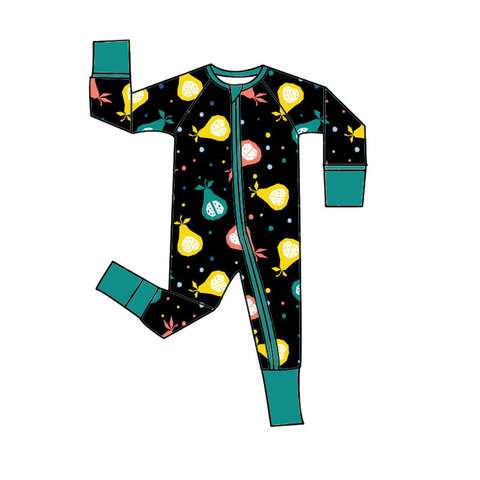
The Technical Backbone of Bamboo Shorties Production
With sustainability driving consumer buying decisions in the textile sector, bamboo shorties have emerged as a standout product for their eco-friendly properties and unparalleled softness. However, beyond their soft feel or sustainable story lies a technical process grounded in precise fabric engineering, GSM (gram per square meter) optimization, and modern industrial machinery. This article explores the key technical considerations that B2B buyers, manufacturers, and partners need to know when dealing with bamboo shorties and their production.
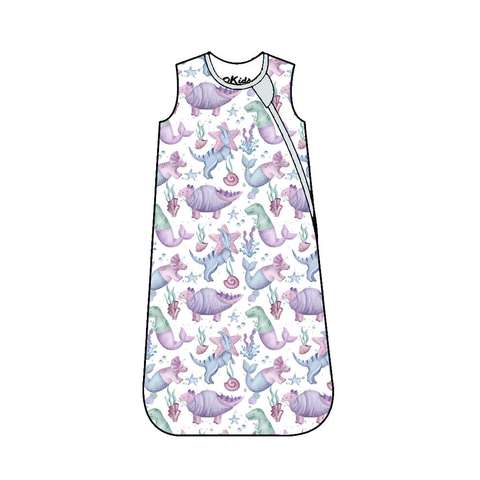
Understanding GSM: The Foundation of Bamboo Shorties
GSM, or Grams per Square Meter, is a critical parameter in textiles that measures the weight of fabric. It determines the density, softness, and durability of any given material. For bamboo shorties, achieving the right GSM is a delicate balance.
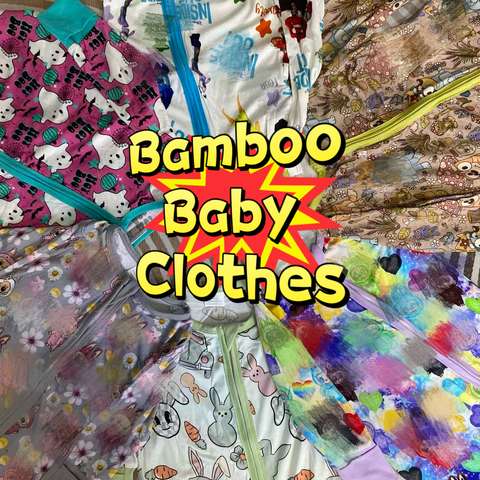
Typically, bamboo shorties fall into a GSM range of 160 to 220. A GSM of around 160 is suitable for lightweight garments, offering a breathable and airy feel, ideal for warmer climates. On the other hand, higher GSM values nearing 220 provide added thickness and durability, enhancing wearer comfort during chilly conditions.
For B2B partners, it’s essential to specify the GSM according to end-use requirements. Lower GSM is cost-effective for bulk manufacturing, while higher GSM shorties command premium pricing due to enhanced longevity and functionality. The key is tailoring the GSM to suit target demographics and intended applications.
The Impact of Fabric Density
Fabric density, often confused with GSM, refers to the weave or knit compactness of the material. While GSM measures weight, density focuses on the structure and arrangement of yarns per square inch. Understanding the interplay between GSM and fabric density is vital in designing bamboo shorties that meet both quality and performance standards.
Knitting bamboo fibers into fabric requires precision to achieve a balance between elasticity and structure. Higher fabric density ensures fewer gaps between threads, offering better insulation while maintaining stretchiness. However, too high a density might result in reduced breathability, which is a significant consumer benefit of bamboo fibers.
Bamboo shorties intended for sportswear or activewear segments often require a medium density knit with a specific GSM to ensure flexibility without compromising on durability. To achieve this, circular knitting machines equipped with tension calibration systems are used to maintain product consistency during bulk production.
Industrial Machinery: Transforming Bamboo Fiber into Shorties
The production of bamboo shorties relies heavily on advanced industrial machinery to meet the exacting demands of consistency, durability, and affordability. From fiber extraction to final garment, the machinery used is a key factor in maintaining efficiency and quality.
Fiber Extraction: Bamboo fibers are derived from either a mechanical or chemical process. The mechanical process involves crushing bamboo stalks and combing out fibers, while the chemical process uses solvents to dissolve the bamboo cellulose. Modern production facilities employ closed-loop systems to ensure the sustainable use and reuse of solvents, making this process significantly eco-friendlier.
Knitting Machines: Once fibers are processed, they are spun into yarn and fed into knitting machines. Circular knitting machines are widely used for bamboo shorties production, offering high-speed throughput and design customization. These machines can handle the elasticity requirements specific to bamboo fibers, ensuring uniform stretch and structure across the fabric.
Dyeing and Finishing: After knitting, bamboo fabrics are treated with eco-friendly dyes to achieve the desired color profiles. The use of jet dyeing machines is popular due to their low water and energy requirements, further enhancing the sustainability credentials of bamboo garments. Finishing machinery ensures that the final fabric is soft to the touch, a hallmark feature of bamboo shorties.
Quality Control and Advanced Automation
For B2B buyers, one of the key concerns is ensuring consistent quality across bulk orders. This is where automated quality control systems integrated into industrial machinery come into play. Cameras and sensors installed in knitting and finishing machines can detect irregularities in the weave, GSM deviations, and even color inconsistencies in real time.
Modern production lines also feature RFID tagging systems for inventory and logistics management, ensuring seamless tracking from production to final delivery. Additionally, automation reduces human error and decreases production downtimes, critical for meeting tight timelines.
For bamboo shorties, incorporating automation ensures scalability and uniform quality, which are essential to establishing long-term B2B partnerships. Suppliers equipped with advanced machinery and quality control systems have a distinct competitive edge in this evolving market.
The Sustainability and Market Potential of Bamboo Shorties
Bamboo shorties represent a blend of sustainability and comfort, making them a hot commodity in both consumer and B2B markets. Their biodegradable properties, coupled with the use of eco-friendly production methods, further position them as an ideal choice for businesses aiming to enhance their green credentials.

For businesses, sourcing bamboo shorties can prove to be a strategic move. With increasing consumer awareness and legislation favoring sustainable products, offering bamboo shorties aligns well with market demands. Additionally, the technical characteristics such as superior moisture-wicking capabilities, hypoallergenic properties, and UV protection create a value-added product that appeals across diverse market segments.
Another benefit is bamboo's scalability as a renewable resource. Bamboo plants grow rapidly and require minimal maintenance, making them a sustainable raw material source compared to cotton or synthetic fabrics. This benefits not only the environment but also cost structures in the long run, offering competitive pricing potential for B2B buyers.
From GSM optimization and fabric density considerations to the use of advanced industrial machinery, production of bamboo shorties is a fine balance of technical expertise and sustainable practices. For B2B suppliers, partnering with manufacturers that prioritize these factors ensures access to high-quality products that meet evolving market preferences.
| Fabric Type | Organic Bamboo |
| Compliance | ASTM F963 |
| Customization | Tailor-made |
| Lead Time | 24 Days |
As the industry moves towards greater environmental responsibility, bamboo shorties are set to play a critical role in sustainable textile offerings. Whether you're sourcing for retail, activewear, or industrial applications, understanding the technical processes behind bamboo shorties can help you make informed decisions that benefit your business and reduce your environmental footprint.