Odm Blank Bamboo Pajamas Private Label Exporter
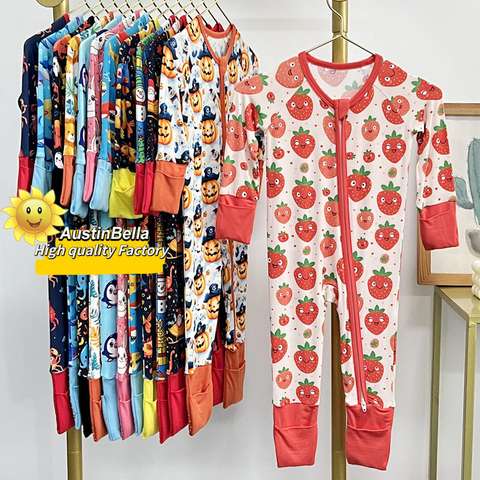
The Manufacturing Process Behind Bamboo Pajamas
Bamboo pajamas represent a balance between sustainable materials and advanced manufacturing techniques, appealing to environmentally conscious consumers looking for comfort. The production of these items might appear straightforward, but the journey from raw bamboo to high-quality pajamas involves precision in fabric density, GSM (grams per square meter), and advanced industrial machinery.
The Role of GSM in Bamboo Pajama Fabric
GSM, or grams per square meter, is a key metric when designing and producing bamboo pajamas. It refers to the weight of fabric in grams per square meter and is vital for determining the thickness, durability, and quality of the textile. For bamboo pajamas, the ideal GSM generally falls between 160 and 240, depending on the intended use and climate considerations.
A GSM of around 160–180 is considered lightweight and perfect for summer wear, offering breathability and comfort. Pajamas with a GSM closer to 240 provide a heavier, cozier feel, appropriate for cooler seasons. By adjusting the GSM, manufacturers can ensure that their bamboo pajamas meet diverse seasonal demands without compromising on comfort or durability.
Precision control of the GSM during the weaving process is achieved using advanced industrial looms and equipment. This consistency allows manufacturers to meet the specific demands of the B2B market, ensuring client satisfaction by delivering a tailored product.
Fabric Density: Strength and Comfort in Bamboo Textiles
Fabric density directly impacts the feel and durability of the textile, which is crucial for pajama manufacturing. When working with bamboo fibers, achieving the right density ensures a fabric that is not only soft but also resilient to wear over time. Density is influenced by thread count as well as the type of weave used in the production process.
For example, a tighter weave enhances the fabric's durability while maintaining a smooth surface, both of which are critical features for sleepwear. In contrast, a looser weave may provide greater airflow and cooling properties but might sacrifice longevity. Manufacturers must perform a meticulous balancing act between achieving comfort and ensuring durability, guided by the requirements outlined by B2B clients.
Industrial machinery such as jacquard looms and leno looms are instrumental in maintaining precise density settings. State-of-the-art machinery ensures consistent output across large production runs, a necessity for meeting strict delivery deadlines in a competitive market.
Industrial Machinery for Producing Bamboo Pajamas
Industrial machinery plays a pivotal role in transforming raw bamboo fibers into pajamas. From pulping the bamboo to weaving the final fabric, advanced machines streamline processes, reduce waste, and maintain quality standards.
The initial phase involves converting raw bamboo into bamboo rayon or viscose through a pulping process. Specialized machinery breaks down the bamboo into cellulose, which is then treated and spun into fine fibers. These fibers are subsequently dyed, washed, and prepared for weaving or knitting based on the end product's design.
Once the fibers are ready, automated weaving machines with digital controls are deployed to achieve the desired pattern, weave type, and fabric density. These machines allow for precision control, minimizing the risk of errors, and maintaining the specified GSM. Circular knitting machines are often employed to create the stretch necessary for increased pajama flexibility and comfort.
Finally, sewing and cutting machines equipped with laser guides ensure each piece is consistently shaped and tailored to meet client specifications. Automation and precision in these processes provide scalability for bulk orders without compromising on quality.
The Eco-Friendly Impact of Bamboo Pajamas
One of the primary reasons bamboo pajamas have gained traction in the B2B market is their eco-friendly appeal. Bamboo is a sustainable resource, requiring minimal water and no pesticides to grow. Its root system helps prevent soil erosion, further contributing to its environmental benefits.
However, in transforming bamboo raw material into a wearable fabric, manufacturers need to ensure eco-compliance by using closed-loop systems during the viscose process. These systems recycle water and chemicals, minimizing their environmental impact. Industrial machinery designed for bamboo textile production is increasingly adopting energy-efficient technologies, aligning with green manufacturing principles.
Incorporating renewable energy sources and optimizing production efficiency contributes to a significantly reduced carbon footprint. For companies partnering in the B2B space, the eco-friendly narrative becomes an excellent marketing point, driving brand loyalty and compliance with growing consumer expectations for sustainability.
| Fabric Type | Pima Cotton |
| Compliance | ASTM F963 |
| Customization | OEM |
| Lead Time | 35 Days |
Meeting B2B Demands in the Bamboo Pajama Industry
The demand for bamboo pajamas is driven by businesses seeking high-quality, sustainable, and versatile apparel suited for various demographics. Manufacturers operating in the B2B space must meet stringent requirements in terms of quality, cost-effectiveness, and delivery timelines.
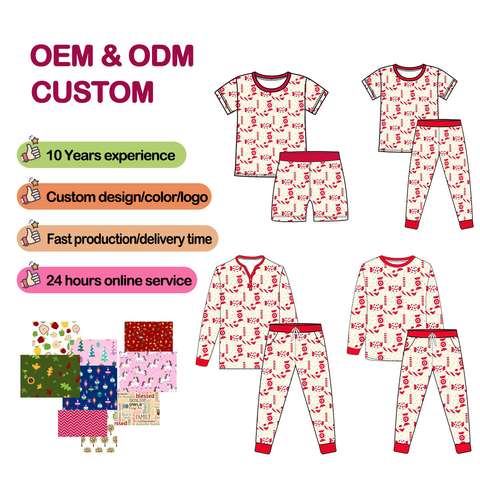
Flexibility in production is crucial for handling custom orders that cater to specific fabric densities, designs, and GSM values. Many businesses require private labeling or unique patterns, both of which necessitate advanced dyeing and printing machinery for personalization. Manufacturers capable of meeting these demands have a competitive edge in the marketplace.
Additionally, fast turnaround times are made possible by integrating smart machinery equipped with IoT-enabled monitoring systems. Such systems provide real-time production data, enabling manufacturers to track progress and optimize operations for efficiency. This technology is essential in serving a global market with fluctuating demands.
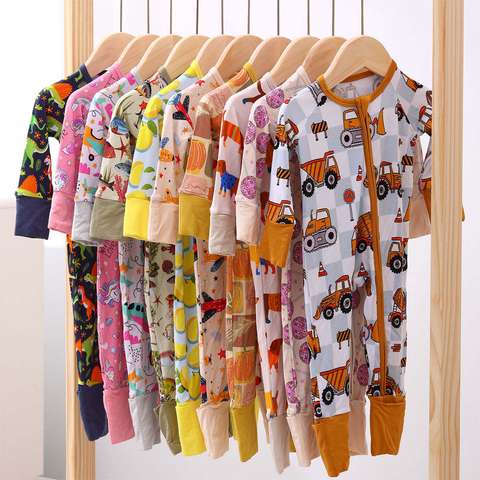
The production of bamboo pajamas is a fascinating convergence of sustainable materials, intricate fabric structures, and highly advanced industrial machinery. Factors such as GSM, fabric density, and eco-friendly manufacturing processes play a pivotal role in crafting comfortable, durable, and environmentally responsible sleepwear.
For B2B players navigating the competitive landscape, understanding these technical aspects is essential for partnering with manufacturers who can meet the precise requirements of their target markets. As demand for sustainable textile products continues to grow, bamboo pajamas are set to remain a practical and popular offering, driven by innovations in industrial technology and environmental consciousness.