Tailormade Snap Button Baby Rompers Odm Oem
Snap Button Baby Rompers: Engineering Elegance in Infant Wear
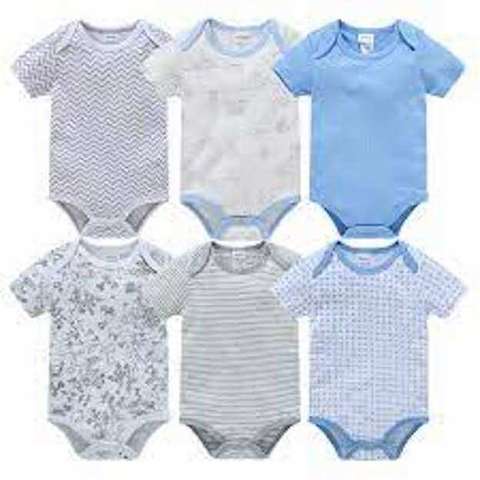
Snap button baby rompers represent a unique intersection of design, fabric engineering, and industrial-grade manufacturing processes. These humble garments meet the high expectations of parents for comfort, safety, and convenience while simultaneously delivering cost-efficient production solutions for manufacturers. This article delves into the technical aspects of snap button baby rompers by focusing on GSM (grams per square meter), fabric density, and industrial machinery considerations.
The Role of GSM and Fabric Density in Baby Rompers
GSM (grams per square meter) is a critical metric in determining fabric weight and quality. For baby rompers, GSM must strike a delicate balance. Fabrics that are too light may lack durability, whereas heavier fabrics could compromise comfort and flexibility, both of which are essential for infant apparel.
Industry standards often specify GSM values ranging from 160 to 250 for baby rompers. Cotton, the most commonly used material, typically has optimal GSM values within this range. Enzyme-treated cotton is frequently employed to provide additional softness while retaining durability. Manufacturers should also keep fabric density in mind—a finer weave can enhance both comfort and the ability to retain heat, making the rompers suitable for cooler climates.
Importance of Fabric Quality Testing
Before fabric selection, rigorous testing is essential to ensure its durability and compatibility with snap button installation. Key tests include tensile strength, shrinkage resistance, and pilling evaluation. , the chemical composition of dyes should meet child-safe certifications to eliminate potential allergens and toxins.
Material Innovations in Baby Rompers
Recent industry trends show a growing demand for blended fabrics like cotton-polyester combinations. Such fabrics excel in moisture-wicking capabilities and increase durability while keeping GSM values within the optimal range. Manufacturers have also explored renewable and organic materials, such as bamboo textiles. These materials offer natural antibacterial properties, perfect for infant wear, although their GSM values will need careful monitoring for production consistency.
In addition to the base fabrics, manufacturers are increasingly adopting new techniques, such as elastane blending, to meet demand for stretchable rompers that offer increased comfort for active infants. Weighted GSM adjustments and density fine-tuning ensure that these garments retain their structural integrity while allowing sufficient stretch.
Snap Buttons: Functional Design Meets Precision Engineering
Snap buttons are integral components of baby rompers, offering quick fastening and unfastening for parents while eliminating potential choking hazards associated with more traditional buttons. The design and installation of snap buttons require a meticulous approach to ensure durability and safety.
Snap Button Material Selection
Snap buttons are commonly made from stainless steel, brass, or plastic. Among these, stainless steel and brass are preferred for their corrosion resistance and long-term durability. Plastic snap buttons, while slightly less durable, may be employed for lighter fabrics to reduce strain and prevent tearing. These must also meet child-safe certifications to ensure safety against chemical leaching.
Attachment Methods and Machinery Usage
Industrial machinery plays a pivotal role in snap button installation. Pneumatic snap button attaching machines are widely used due to their precision and speed. These machines exert controlled pressure to securely fasten buttons into layered fabrics. Advanced models feature programmable settings to adjust pressure levels, ensuring compatibility with varying GSM values and fabric densities.
For higher production volumes, automated conveyor systems equipped with snap button fastening modules provide exceptional throughput. The inclusion of detection systems to inspect the correct alignment of snap buttons has now become a standard, ensuring defect-free assembly.
Challenges in Snap Button Integration
One common challenge in snap button installation is achieving uniform tension across different fabric layers. Manufacturers address this by carefully calibrating machinery settings to match the tensile flexibility of specific fabrics. Additional material reinforcements, such as interfacing or double-layer designs, are also employed in higher-stress areas to ensure smooth functionality and prevent wear and tear over time.
| Fabric Type | Pima Cotton |
| Compliance | CPSIA Compliant |
| Customization | Custom |
| Lead Time | 33 Days |
Industrial Machinery and Manufacturing Considerations
The manufacturing process for baby rompers is highly dependent on the efficacy of industrial machinery. From fabric cutting to final assembly, every step demands precision and consistency to maintain high-quality output.
Fabric Cutting Machines
Fabric cutting machines equipped with laser-guided systems or die cutters are commonly used for batch production of baby rompers. These machines can be fine-tuned to handle different material thicknesses and GSM values, ensuring minimal waste during the cutting process. Advanced models offer integrated pattern-making capabilities, reducing manual intervention and enabling manufacturers to handle diverse romper designs efficiently.
Sewing Machines
Multi-thread industrial sewing machines are ideal for assembling baby rompers, particularly for achieving strong seams in high-stress areas like cuffs and snap button enclosures. Machines featuring lockstitch or chainstitch mechanisms balance durability with aesthetic appeal while delivering increased production speeds.
Quality Control Systems
Quality control plays a crucial role in maintaining fabric consistency as well as snap button functionality. Visual and electronic inspection systems are now standard in high-capacity production lines. These systems monitor fabric flaws, misaligned buttons, and incomplete seams to reduce defects before distribution.
: Combining Fabric Science with Manufacturing Precision
Snap button baby rompers exemplify the need for an intricate understanding of GSM values, fabric density, and industrial machinery capabilities. Manufacturers face the challenge of creating garments that not only meet stringent quality standards but also maintain aesthetic appeal and cost efficiency. By leveraging advancements in material science and automated machinery, businesses can deliver products that align with these demands while optimizing production scales.
As the infant wear market continues to grow, the adoption of innovative fabrics, such as organics and blends, paired with cutting-edge machinery, will play a critical role in setting industry benchmarks. Snap button baby rompers may seem like simple garments, but their production is a testament to precision engineering and thoughtful material selection. For manufacturers, striking the right balance remains the key to delivering superior quality garments with global appeal.