Tailormade Mommy And Me Matching Bamboo Pajama Oem Vendor
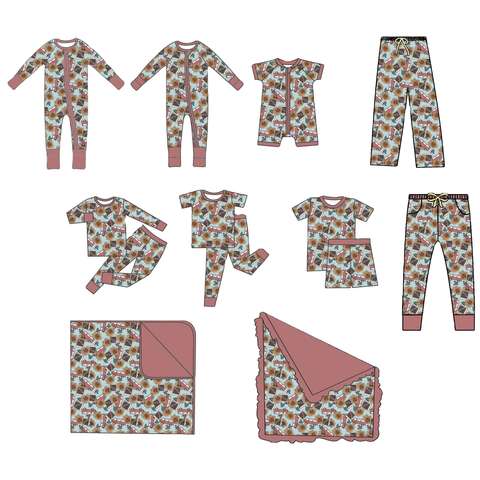
Understanding GSM, Fabric Density, and Machinery in 'Mommy and Me' Matching Bamboo Pajamas
The growing demand for eco-friendly, comfortable, and matching family apparel has seen a surge in innovations combining sustainable materials and advanced manufacturing methods. 'Mommy and Me' bamboo pajamas have become a cornerstone of this trend, offering a unique combination of softness, durability, and environmental responsibility. The backbone of these pajamas lies in the technical specifics of GSM (grams per square meter), fabric density, and the industrial machinery used in their production. This article delves into the engineering principles behind these popular products, providing a technical perspective for B2B stakeholders in the textile and apparel industries.
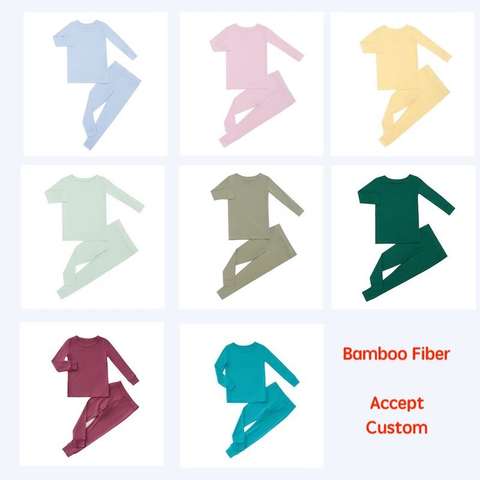
GSM: A Fundamental Measure of Bamboo Pajama Performance
One of the key considerations in textile production is the GSM, or grams per square meter, which quantifies the mass of fabric over a square meter. This metric is crucial for determining the quality, comfort, and durability of bamboo pajamas. Bamboo fabric typically falls within a GSM range of 150 to 300, with variations depending on the type of garment and intended usage.
For 'mommy and me' matching bamboo pajamas, the ideal GSM generally ranges from 180 to 220. This strikes a balance between lightweight comfort and sufficient density to withstand multiple cycles of washing and wear without degradation. A lower GSM, below 180, might compromise opacity and durability, while a GSM exceeding 220 may result in reduced breathability and flexibility, detracting from the pajamas' comfort.
Choosing the appropriate GSM involves collaboration between textile engineers and apparel manufacturers. Material engineers assess the physical and tactile properties of bamboo fibers, while machinery operators fine-tune equipment settings to ensure consistent fabric density during production. This precision guarantees that every set of pajamas conforms to quality and performance expectations.
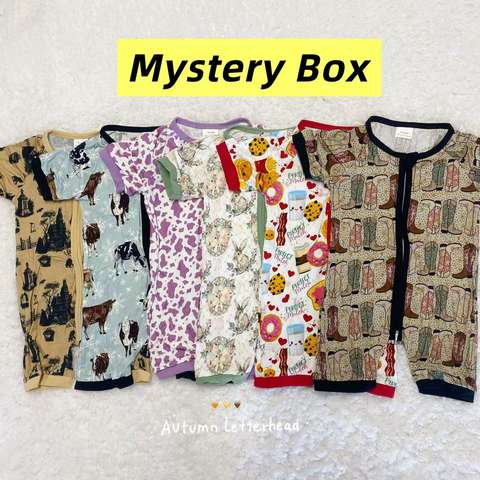
Fabric Density: Balancing Softness and Structural Integrity
Fabric density is another critical parameter influencing the quality of bamboo pajamas. While GSM measures mass per unit area, density refers to the compactness of yarns within the fabric weave or knit. For 'mommy and me' pajamas, a tightly controlled fabric density is essential to achieving the signature softness of bamboo viscose while maintaining the structural integrity required for long-term use.
Knitting Technologies for Bamboo Pajamas
The majority of bamboo fabrics used in pajamas are knit rather than woven, allowing for a higher degree of softness and flexibility. Specific knitting patterns, such as single jersey and interlock, are preferred due to their ability to maintain a fine balance between elasticity and resilience. Single jersey knit is lightweight and airy, suitable for warmer climates, whereas interlock knit offers greater opacity and insulation, fitting colder conditions.
Industrial circular knitting machines are often employed in this process, calibrated to precision for yarn tension and stitch composition. The use of finer gauge needles ensures smooth surfaces, enhancing the comfort levels expected of 'mommy and me' bamboo pajamas.
Optimizing Density Without Compromising Breathability
Bamboo fabrics are prized for their moisture-wicking and antibacterial properties, but these functional attributes can be affected by deviations in fabric density. If the fabric weave or knit is too loose, structural stability suffers, leading to fabric deformation over time. Conversely, excessive density may inhibit proper air circulation, diminishing the fabric's natural thermoregulation capabilities.
Advanced analysis tools, like automatic density testers and tension monitoring systems, play a key role in minimizing manufacturing inconsistencies. Simultaneously, engineers balance density adjustments with the intrinsic needs of the fabric, ensuring pajamas remain breathable while retaining their luxurious softness.
Industrial Machinery: The Engine Behind Quality Bamboo Pajamas
The production of 'mommy and me' matching bamboo pajamas relies heavily on state-of-the-art machinery and equipment. From spinning the bamboo fibers into yarn to knitting, dyeing, and sewing, each step is executed on industrial-grade machines capable of producing high-quality outputs at scale. Below, we explore some of the core machinery and processes shaping this fabric innovation.
Bamboo Fiber Spinning and Yarn Formation
The journey of bamboo starts with its transformation into viscose or lyocell fibers. These fibers are subsequently spun into yarn through a variety of spinning techniques such as ring spinning, rotor spinning, or air-jet spinning. High-speed spinning machines integrate advanced quality control measures like automatic yarn defect detection, ensuring uniformity in thickness and texture.
For 'mommy and me' pajamas, finer yarn counts are often preferred to bolster the softness of the fabric. Spinning machinery incorporating computer-controlled systems allows for precise adjustments according to fiber specifications, streamlining the process of creating yarns that meet specific technical parameters.
Knitting Machines for Fabric Creation
As mentioned earlier, circular knitting machines are the preferred choice for producing bamboo fabric. These machines operate at high speeds, offering the scalability required for commercial production. Modern knitting machines are equipped with sensors and monitoring software that detect variations in tension or stitch size, aiding in consistency.
For pajama production, manufacturers commonly use fine-gauge knitting machines capable of achieving double-knit structures. This configuration ensures the fabric has the resilience and stretchability needed for children's wear while retaining a smooth texture for comfort.
Dyeing and Finishing Machinery
Bamboo fabric is naturally absorbent, which makes it highly receptive to textile dyes. Industrial dyeing machines such as jet, pad-batch, or soft-flow dyeing machines are employed to impart vibrant colors that match the aesthetics of 'mommy and me' designs. The use of eco-friendly, non-toxic dyes aligns with consumer demands for sustainable and baby-safe products.
The finishing stage involves treatments such as enzyme washes and calendering (smoothing) to enhance softness and smoothness. Machinery like singeing machines are also used to remove surface hairs, ensuring the fabric's texture feels gentle against the skin.
Sewing and Garment Assembly
Finally, the assembly of 'mommy and me' bamboo pajamas is accomplished through automated and semi-automated stitching machines. Overlock and flatlock machines are commonly used to construct seams that are both durable and low-profile, avoiding discomfort from bulky stitching.
| Fabric Type | Pima Cotton |
| Compliance | CPSIA Compliant |
| Customization | OEM |
| Lead Time | 24 Days |
Automation technologies such as robotic sewing arms and pattern-matching software enhance efficiency during this stage. These tools also allow for precision matching of design patterns across fabric panels, a crucial aspect for creating aesthetically pleasing 'mommy and me' ensembles.
Ensuring Sustainability in Bamboo Pajama Production
The bamboo textile industry is often praised for its sustainability, but achieving true environmental responsibility requires a concerted effort at each stage of production. From responsibly sourced bamboo to environmentally friendly machinery and low-impact dyes, the process must align with global standards for ethical manufacturing.
Companies increasingly rely on certifications like OEKO-TEX, GOTS (Global Organic Textile Standard), and FSC (Forest Stewardship Council) to validate the eco-friendliness of their fabrics. Industrial machinery also plays a crucial role, with energy-efficient models and water-saving dyeing technologies helping to minimize resource consumption.
: Engineering Excellence Meets Consumer Demand
'Mommy and me' matching bamboo pajamas represent the intersection of engineering innovation, consumer preference, and sustainability. From the precise calibration of GSM and fabric density to the advanced machinery that powers their production, these garments embody a seamless blend of science and comfort.
For B2B stakeholders in textiles and apparel, understanding the technical backbone of these products offers valuable insights into market trends and manufacturing strategies. By leveraging high-quality materials, precision machinery, and sustainable practices, companies can continue to meet the growing demand for this beloved family apparel trend while remaining at the cutting edge of industry innovation.