Gots Organic Granite Cotton Bamboo Clothes Custom Manufacturer

Granite Cotton Bamboo Clothes: A Fusion of Sustainability and Engineering
The textile industry has evolved rapidly with innovations in sustainable fabrics and their manufacturing processes. Among emerging materials, "Granite Cotton Bamboo" stands out as a promising blend. This hybrid fabric brings together the properties of cotton, bamboo, and granite-inspired design, creating unique qualities in texture, durability, and eco-friendliness. However, achieving this engineered balance requires precision in fabric density, GSM (grams per square meter), and state-of-the-art industrial machinery.
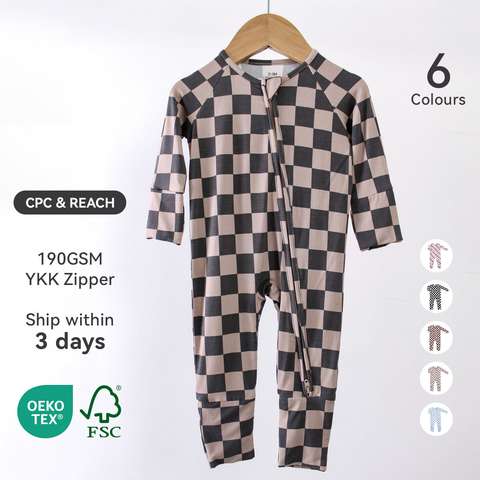
Understanding Granite Cotton Bamboo Composition
Granite Cotton Bamboo fabric is an engineered material combining natural cotton, bamboo fibers, and a structural texture inspired by the rugged durability of granite. Here is how each component contributes to the fabric:
- Cotton: A traditional textile material, known for its softness, breathability, and moisture absorption. Cotton enhances comfort and versatility in clothing applications.
- Bamboo Fibers: Derived from bamboo pulp, these fibers are celebrated for their antimicrobial properties, eco-friendliness, and biodegradability. Bamboo enhances the ventilation and sustainability factors in the blend.
- Granite-Inspired Design: While not comprised of actual granite, the fabric's texture mimics the resilience and rugged aesthetics of granite stone. This gives the fabric a unique tactile and visual appeal.
Blending these materials requires precision not only in sourcing raw materials but in balancing their intrinsic qualities to meet industry standards. Fabric density and GSM play a pivotal role in ensuring the material's performance characteristics, such as durability, handling, and wearability.
The Role of GSM in Granite Cotton Bamboo Fabrics
GSM, which stands for grams per square meter, is a critical metric in the textile industry that directly measures a fabric's weight and density. For Granite Cotton Bamboo, understanding and standardizing GSM is crucial.
Why GSM Matters
The GSM value determines several factors critical to B2B industries, such as apparel manufacturing and interior textiles:
- Durability: A higher GSM typically ensures better resistance to tearing and wear, suitable for heavy-duty applications like upholstery or outdoor wear.
- Comfort: A moderate GSM range, say 150-250, makes fabrics lightweight yet sturdy, ideal for clothing.
- Market Segmentation: GSM values can be fine-tuned to cater to diverse markets, from affordable mass-market garments to high-end luxury apparel.
For Granite Cotton Bamboo, determining the ideal GSM involves sophisticated mathematical modeling to combine the heavy nature of the granite-like structure with the lightweight and breathable properties of bamboo and cotton.
GSM Measurement in Practice
Industrial testing of GSM for Granite Cotton Bamboo typically involves:
- Cutting a sample fabric to an exact size, often 10x10 cm.
- Weighing the sample using precision scales.
- Converting the weight to GSM using the formula: GSM = (Weight in grams / Area in square meters).
For Granite Cotton Bamboo, manufacturers often target a GSM range of 180 to 300, providing a balance of comfort and resilience suitable for both clothing and industrial textile applications.
Fabric Density and its Implications
Fabric density is another critical engineering factor, intricately tied to GSM but offering more granular insights into the structure of Granite Cotton Bamboo fabric. While GSM measures the weight, fabric density refers to the closeness of the woven or knitted fibers.
High vs. Low-Density Fabrics
For Granite Cotton Bamboo clothing, the choice of density impacts several key features:
- High-Density Fabrics:
- Better insulation and durability, suitable for outerwear.
- Increased stiffness, resembling granite's sturdiness.
- Low-Density Fabrics:
- Greater breathability, ideal for summer apparel.
- More stretch and flexibility, aligning with bamboo properties.
The art of blending these density features ensures that Granite Cotton Bamboo fabrics can cater to various needs without compromising one property in favor of another.
Production Machinery and Density Optimization
State-of-the-art weaving and knitting machines are indispensable in achieving specific fabric densities. Advanced machinery, such as computer-controlled jacquard looms and high-speed circular knitters, can handle diverse fiber combinations while maintaining uniformity. Automation plays a key role in optimizing the fiber distribution to achieve consistent density across large batches, which is essential for B2B contracts.

Industrial Machinery: Enabling Precision in Granite Cotton Bamboo Production
The production of Granite Cotton Bamboo is only possible through cutting-edge industrial machinery designed to handle natural fibers with precision. From pre-processing to the final weave, specialized equipment ensures quality and consistency.
| Fabric Type | Pima Cotton |
| Compliance | CPC Certified |
| Customization | Private Label |
| Lead Time | 25 Days |
Fiber Preparation
The manufacturing process begins with careful preparation of raw materials:
- Carding Machines: These machines ensure the cotton and bamboo fibers are untangled and aligned for smoother blending.
- Blending Machines: Precision blending equipment interweaves cotton and bamboo fibers into a homogenous mixture, facilitating consistent texture and density.
Weaving and Knitting Machinery
Modern weaving and knitting machines bring the Granite Cotton Bamboo blend to life:
- Rapier Weaving Machines: These are ideal for delicate bamboo fibers, offering high speeds and precise control, which is crucial for textile consistency.
- Circular Knitting Machines: Perfect for creating stretchable and resilient fabrics, suiting the demands of activewear applications.
Automated tension control mechanisms ensure that the granite-inspired textures, which require heavy structuring, are evenly distributed without compromising the lightweight properties of bamboo and cotton.
Post-Weaving Finishing Machines
Finishing is crucial for Granite Cotton Bamboo fabrics to acquire their final look and feel:
- Heat Setting Machines: These stabilize fabric dimensions and enhance wrinkle resistance.
- Calendering Machines: By pressing the fabric between rollers, calendering creates the smooth, granite-like appearance.
- Dyeing Machines: Eco-friendly fabric dyes are infused in high-pressure environments to achieve the desired colors while adhering to sustainability standards.
: A Future Built on Engineering and Sustainability
Granite Cotton Bamboo clothes represent a breakthrough in textile innovation, marrying aesthetics, functionality, and sustainability. From the precise calculation of GSM to the optimization of fabric density and the integration of advanced industrial machinery, every step of production is a testament to how engineering drives the textile industry forward.
As more businesses seek eco-friendly options without compromising durability or appeal, Granite Cotton Bamboo stands poised to cater to diverse industrial and consumer demands. For B2B stakeholders, understanding the underlying engineering principles is essential when evaluating this fabric's value and potential applications across various sectors.
By investing in the development and adoption of Granite Cotton Bamboo textiles, industries not only benefit from superior quality but also contribute to a more sustainable and innovative future.