Odm Infants Footies Custom Vendor
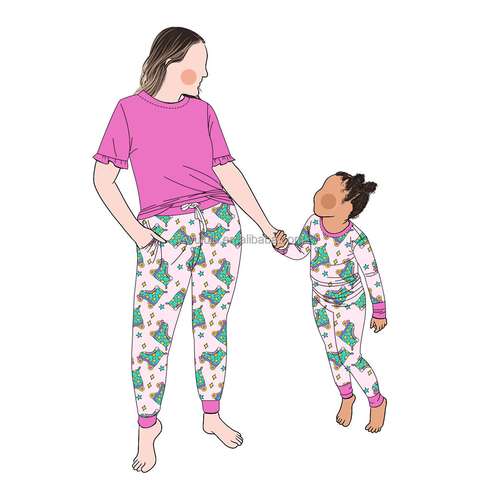
Understanding the Technical Aspects of Infants’ Footies Production
Infants' footies are more than a clothing item; they represent a meticulous balance between comfort, function, durability, and safety. For manufacturers, the production process is a multi-faceted operation reliant on advanced industrial machinery, careful material selection, and adherence to quality standards. This article explores critical factors such as GSM (grams per square meter), fabric density, and the machinery involved in the production process.
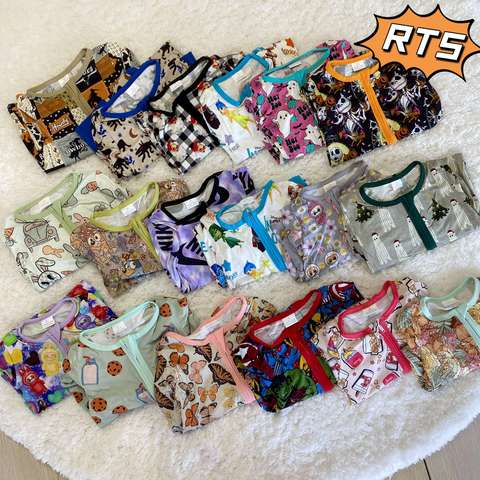
Material Selection: GSM as a Foundational Metric
When producing infants’ footies, GSM (grams per square meter) serves as a foundational parameter to determine the fabric weight. GSM is essential in assessing the durability, comfort, breathability, and tactile experience of the garment. For infant clothing, especially footies, a typical GSM range is between 160 and 250. This range ensures fabric soft enough for delicate infant skin yet durable enough to withstand repetitive washing cycles.
Lightweight fabrics (GSM below 160) might feel delicate but may lack durability over time. Conversely, fabrics exceeding 250 GSM might introduce stiffness and unnecessary bulkiness, leading to discomfort. Therefore, balancing GSM per product use-case is a nuanced task requiring technical expertise. Manufacturers often perform stress and wash tests during prototyping to confirm the GSM’s real-world performance.
Fabric Density: The Key to Comfort and Durability
Fabric density, which refers to the number of threads or fibers per square inch, plays a vital role alongside GSM in crafting high-quality infants’ footies. High-density fabrics tend to provide a smoother finish and better durability. Count measurements like "thread count" or fiber density are critical for preserving warmth while maintaining adequate breathability in the clothing.
For infants' footies designed for cooler climates, higher-density fabrics with tighter weaves help trap air while ensuring optimal warmth. However, moisture management must also be addressed when working with denser materials. Cotton blends combined with elastane—a popular choice for stretchability—are often selected for their ability to maintain fabric integrity along with comfort.
Manufacturers often use advanced laminating techniques to reinforce fabric density while keeping items lightweight. Enzyme wash or brushing techniques can be applied during post-production for both texture softening and improved thread quality.
Role of Industrial Machinery in Precision Manufacturing
The production of infants’ footies relies heavily on precise industrial machinery to maintain consistent quality and meet regulatory standards. A highly synchronized operation involves machinery for cutting, assembly, overlocking, and finishing, along with inspection equipment to ensure uniformity.
Modern automated cutting machines equipped with computer-aided design (CAD) systems enable precision cutting. This ensures that patterns are replicated with minimal deviation, reducing waste and optimizing yield. Laser cutting machines may also be employed for more intricate designs, offering unparalleled edge accuracy while minimizing thread damage.
Textile Processing and Finishing Equipment
Processing fabrics for infants' footies involves several stages, including pretreatment, dyeing, and finishing. Pretreatment machinery like desizing and bleaching units ensures that raw fabric is adequately prepared for subsequent steps. Dyeing machines, which can be of the jet dyeing or screen dyeing variety, allow manufacturers to achieve uniform color finishes compliant with infant clothing standards.
Finishing equipment plays a vital role in ensuring that every footie aligns with established texture expectations. Softening machines and calenders are used to achieve smoothness and maintain the distinctive feel required for infants’ wear. Additionally, brushing techniques may be applied to increase softness while enhancing thermal properties.
Finally, inspection and quality-control machines equipped with computerized imaging systems scan for defects like uneven seams, dye flaws, or excessive lint accumulation, ensuring each piece meets international standards such as Oeko-Tex certifications for infant safety.
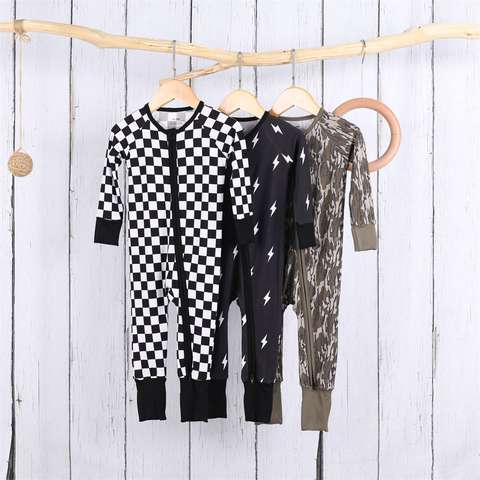
Automation Advancements in Garment Assembly Lines
The garment assembly line is being transformed by automation, significantly improving efficiency without compromising precision. Automated sewing machines are capable of advanced in-line operations such as seam reinforcement and panel attachment, ensuring every footie retains its structural integrity. Integrated inspection systems simultaneously monitor thread tension, stitch patterns, and seam alignment during production.
Investments in fully automated robotic arms have particularly streamlined manufacturing processes for footies featuring snap closures or zippers. These machines reduce human error while speeding up the initialization phase of assembly. Advanced programming allows manufacturers to rapidly shift production configurations to accommodate different footie styles, meeting changing market demands.
Safety Standards and Compliance Requirements
Safety is paramount when designing clothing for infants. Guidelines imposed by governing bodies demand compliance with stringent standards related to flammability, chemical exposure, and choking hazards. This puts significant pressure on manufacturers to ensure both raw materials and finished garments are safe for infants.
Flammability testing is conducted using specialized equipment to ensure fabrics meet safety classifications, such as Class I (non-flammable) under the U.S. Consumer Product Safety Commission (CPSC) guidelines. Garments are treated with non-toxic flame-retardant compounds to mitigate risks without compromising tenderness or breathability.
For infants' footies with attachments like buttons, zippers, or snaps, pull tests are performed using devices that simulate the tugging strength of infant hands. This ensures that attached components do not pose a choking hazard. , chemical analysis of dyes, finishing agents, and substrates is conducted to confirm garments are free from harmful compounds like phthalates and AZO dyes.
Eco-Friendly Innovations in Production
As sustainability trends dominate the textile sector, manufacturers are adopting eco-conscious practices for infants’ footie production. Organic cotton, produced without synthetic pesticides or fertilizers, provides a natural and hypoallergenic foundation for this sensitive category. Bamboo and other regenerated cellulose blends are increasingly popular for their antimicrobial nature and low environmental footprint.
Machinery advancements have responded to the demands for eco-friendly production methods. Waterless dyeing techniques leveraging CO2-based systems minimize water consumption in fabric processing. Similarly, energy-efficient sewing machines and recycling units for disposal fabric trims offer operational cost savings alongside environmental benefits.
Certifications such as GOTS (Global Organic Textile Standard) enable manufacturers to easily convey their commitment to sustainability and ethical practices, enhancing their visibility in competitive markets.
Consumer Trends and Market Implications
The marketplace for infants’ footies continues to evolve, informing the technical decisions manufacturers must make. Consumers prioritize products that are safe, durable, and visually appealing, all while being environmentally friendly. Advanced automation, coupled with sustainable raw materials, allows manufacturers to meet these demands at competitive price points.
Advancements in fabric technology, such as moisture-wicking fibers or temperature-controlled materials, offer differentiation in saturated markets. Combining innovation with traditional values such as comfort and durability positions manufacturers as leaders in the sector.
The production of infants’ footies captures the intersection of technical precision and creative design. By integrating key elements like GSM, fabric density, advanced machinery, compliance standards, and eco-friendly innovations, manufacturers can create garments that fulfill consumer expectations while addressing safety concerns and market dynamics. In a competitive industry, investing in cutting-edge processes and materials is not just a choice—it is a necessity for sustainable growth.
| Fabric Type | Pima Cotton |
| Compliance | CPC Certified |
| Customization | Tailor-made |
| Lead Time | 39 Days |