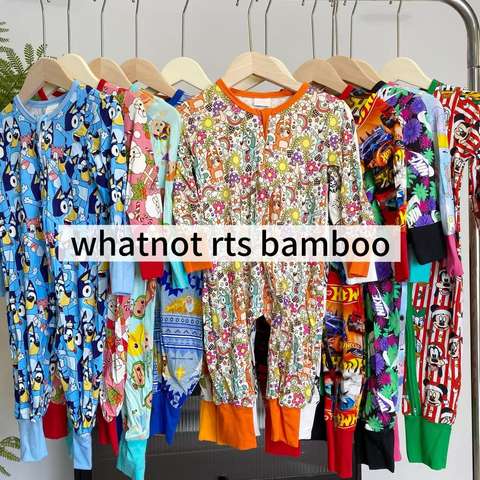
Oekotex 100 Rts Bamboo Clothing Gots Organic Exporter
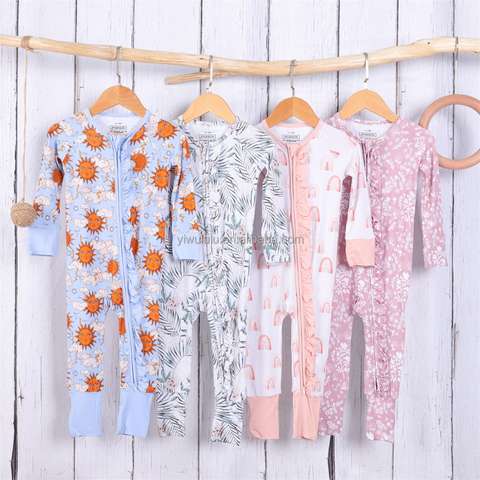
The Engineering Behind RTS Bamboo Clothing
As the demand for eco-friendly textiles rises, RTS bamboo clothing is quickly becoming a preferred choice in B2B supply chains. Bamboo-based fabric blends innovation with sustainability, and understanding the underlying technical elements—such as GSM (grams per square meter), fabric density, and the machinery used to produce these textiles—is critical for businesses investing in this growing sector. In this article, we delve into the technical engineering behind RTS bamboo clothing, offering insights into material properties, processing technologies, and key considerations for industrial production teams.
Key Properties of Bamboo Fabric in RTS Production
Bamboo fabrics are prized for their sustainability, softness, and breathability, making them ideal for rapid-to-ship (RTS) clothing. Let’s analyze the primary technical properties that contribute to bamboo’s success in textile manufacturing.
Understanding GSM (Grams per Square Meter)
GSM, or grams per square meter, is one of the most crucial factors in deciding the quality and application of RTS bamboo clothing. In essence, GSM measures the weight of the fabric, which directly corresponds to its density, durability, and texture. Typical GSM for bamboo fabrics ranges from 120 GSM (lightweight) to 340 GSM (heavyweight).
- 120-150 GSM: Ideal for lightweight clothing such as summer dresses, T-shirts, and activewear. This fabric range enhances bamboo’s natural breathability and ensures comfort in warm climates.
- 180-225 GSM: A mid-range GSM suitable for year-round apparel like shirts and everyday wear. It balances versatility with softness.
- 300+ GSM: Commonly used for outerwear and durable clothing items like hoodies and sweaters. These fabrics capitalize on bamboo’s moisture-wicking properties while offering structural rigidity.
Choosing the right GSM is essential for meeting diverse market demands within the RTS clothing model. A lower GSM reduces shipping weight but sacrifices durability, whereas higher GSM improves quality but may impact affordability.
The Role of Fabric Density in Bamboo Textiles
Fabric density, which measures the number of yarns per inch, is directly related to GSM but focuses on structural tightness rather than weight. In RTS bamboo clothing, high-density weaves lend durability and better moisture absorption, making them ideal for premium products.
Comparatively, loose-weave bamboo fabrics, with a lower yarn count, emphasize elasticity and flow, a critical advantage for activewear manufacturers. Balancing fabric density with bamboo’s innate properties ensures the production of high-performance textiles while preserving the soft hand-feel and antimicrobial benefits bamboo naturally provides.
Industrial Machinery for RTS Bamboo Clothing Production
Behind every bamboo garment is an intricate network of industrial machinery optimized for processing this unique material. From fiber extraction to textile knitting, each stage of production depends on cutting-edge equipment tailored to the distinctive properties of bamboo.
Bamboo Pulp Processing Machinery
Bamboo fabrics originate from bamboo pulp, which is typically converted into viscose or lyocell fibers. High-pressure mechanical systems, combined with safe chemical treatments, transform raw bamboo into usable pulp. Machines utilized in this phase include:
- Pulping machines: Specialized equipment designed to break down bamboo stalks into micro cellulose fibers while conserving resource inputs like water and energy.
- Fiber regenerators: This hardware assists in recovering solvents during processing, ensuring minimal environmental impact.
These systems are built to handle the high tensile strength of bamboo, ensuring the material remains viable through the manufacturing chain.
Knitting and Weaving Machines
Bamboo textiles require versatile knitting and weaving machinery to accommodate a variety of fabric weights and densities. Key technologies in bamboo fabric production include:
- Warp knitting machines: Employed for producing lightweight and breathable bamboo fabrics with consistent thread tension.
- Jacquard looms: Used for intricate designs and high-density weaves, especially in premium RTS bamboo activewear and outer layers.
- Air-jet looms: Known for their ability to handle lightweight yarns at high speeds, these looms are ideal for scaling up RTS bamboo clothing production.
Optimizing these machines for bamboo’s unique properties ensures a seamless transition from raw material to finished RTS products.
GSM Calibration During Fabric Finishing
Calibrating GSM during the finishing stage is critical to ensure consistent fabric performance in RTS applications. Precision rollers and industrial calenders apply controlled pressure to bamboo textiles, helping achieve the desired density and thickness. Additionally, automated GSM measurement systems continually monitor fabric weight, enabling real-time adjustments to meet exact production standards.
Technological advancements in these systems allow manufacturers to improve fabric consistency, reduce material waste, and ensure faster production times—a critical edge in RTS supply chains.
The Role of Sustainability in RTS Bamboo Clothing
Sustainability is one of the core selling points of bamboo-based RTS clothing. Incorporating eco-conscious strategies into production isn’t just good for the planet; it also streamlines industrial operations and promotes trust among B2B clients.
Energy-Efficient Machinery
Innovative machinery designs are pivotal in minimizing energy consumption for bamboo textile production. Energy-efficient electric drives, heat recovery units, and intelligent control systems are increasingly integrated into industrial setups. These upgrades allow manufacturers to improve their operational carbon footprints while significantly reducing long-term expenses.
Water Recycling and Reduced Chemical Use
The bamboo textile manufacturing process is traditionally water-intensive. However, modern closed-loop systems have drastically improved water conservation by recycling up to 98% of the liquid used in processing. , adopting organic catalysts instead of harsh chemicals during fiber production aligns with global environmental standards and reduces regulatory obstacles for exporting RTS bamboo fabrics.
Final Considerations for B2B Engagement
The adoption of RTS bamboo clothing within the global market showcases the convergence of sustainable materials, advanced machinery, and precision engineering. Businesses interested in integrating bamboo fabric into their operations must evaluate critical technical aspects such as GSM, fabric density, and machinery capabilities to ensure robust production outcomes.
Investing in modern textile technology tailored to the unique demands of bamboo manufacturing is an opportunity to not only meet evolving market demands but also enhance efficiency and reduce ecological impact. As the RTS model continues to grow, bamboo clothing stands as a versatile and high-performing textile that aligns with the values of both consumers and industries.
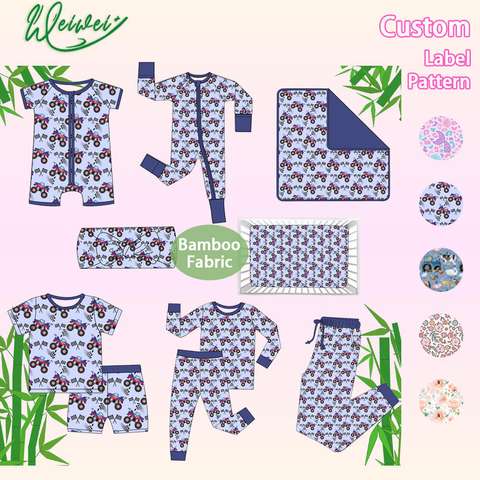
| Fabric Type | Organic Bamboo |
| Compliance | OEKO-TEX 100 |
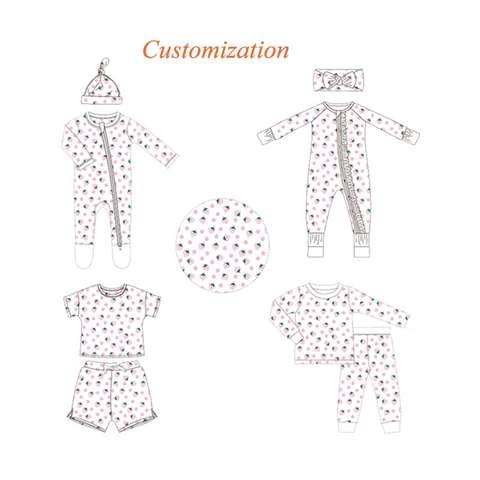
| Customization | Private Label |
| Lead Time | 30 Days |