Oem Pijama Hiver Femme Tailormade Oem
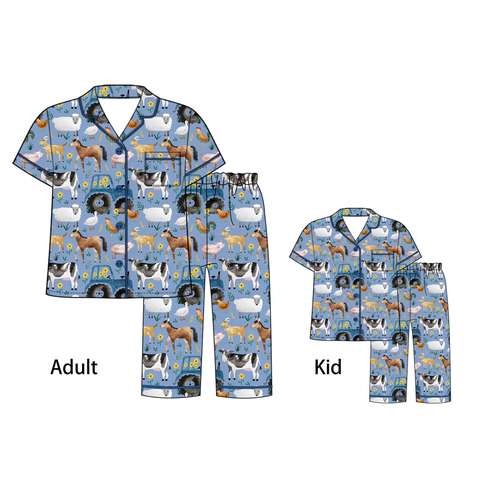
The Importance of GSM and Fabric Density in Women's Winter Pajamas Manufacturing
As the demand for high-quality women’s winter pajamas (pijama hiver femme) continues to grow, manufacturers must pay close attention to the critical technical aspects that influence the comfort and functionality of these garments. Among these factors, GSM (grams per square meter) and fabric density emerge as essential parameters that not only affect the garment's feel but also determine its thermal insulation capabilities, durability, and quality.
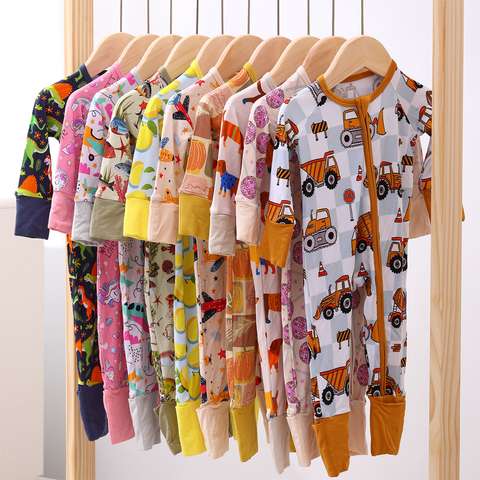
This article delves into these key aspects and explores the role of industrial machinery in optimizing production processes to meet market demands effectively.
Understanding GSM and Its Relevance in Winter Pajamas
GSM (grams per square meter) is a critical measurement in fabric manufacturing, as it indicates the weight of the fabric per square meter. When it comes to winter pajamas for women, GSM plays a determining role in achieving the perfect balance between warmth, comfort, and breathability. A higher GSM implies a heavier and thicker fabric, offering better insulation, which is vital for cold weather.
For instance, winter pajamas are frequently manufactured using fabrics with GSM values ranging between 220 and 350. Fabrics in this range tend to provide adequate thermal insulation without being overly bulky or uncomfortable. Popular materials for winter sleepwear include fleece, flannel, thermal knits, and brushed cotton, all of which can be engineered to achieve an optimum GSM that suits both customer preferences and environmental requirements.
Manufacturers need to carefully select the GSM value that aligns with the intended market. Suppliers catering to harsher winter climates may prioritize a GSM closer to 350, ensuring enhanced warmth, while markets with moderately cold winters might find GSM values around 220 more suitable.
Fabric Density and Its Impact on Comfort and Durability
Fabric density—measured as the thread count or the number of fibers per square inch—directly influences the texture, longevity, and functional properties of winter pajamas. Higher fabric density contributes to better durability and prevents wear and tear over time, making it an important factor in B2B transactions and quality assurance processes.
When applied to women’s winter pajamas, optimal fabric density ensures effective thermal insulation and a soft touch, which are crucial for nightwear designed for extended periods of use. Fleece, for example, is a heavily used material due to its high fabric density, making it suitable for cold climates. Flannel, another favored choice, benefits from a brushed texture that enhances density, improving both warmth and comfort.
, achieving the right density is not only about thermal performance but also about the ecological footprint of production. Industries that utilize advanced machinery to fine-tune fiber density arrangements can significantly reduce material wastage, ensure uniform quality, and even ensure that their products meet environmental certification standards.
Role of Industrial Machinery in Ensuring Consistent Quality
The production of women's winter pajamas requires precision engineering to meet stringent quality specifications consistently. Modern industrial machinery plays a pivotal role at every stage, from textile production to fabric finishing and garment assembly. Technologies such as automated knitting machines, advanced weaving looms, and computerized cutting systems streamline the process and minimize errors, enabling manufacturers to produce pajamas at scale without compromising on quality.
Cutting-Edge Knitting Machines
Knitting machines have become indispensable in producing high-performance winter fabrics. Circular knitting machines, in particular, provide the efficiency and accuracy required for creating dense, soft, and uniform thermal knit materials. They enable the creation of interlocking loops that maximize heat retention while maintaining lightweight properties, an essential feature in winter pajamas.
Weaving and Brushing Technologies
For materials like flannel, weaving looms are used to create tightly woven fabric structures. These looms can handle high thread counts, ensuring uniform density and minimizing any inconsistencies during production. After weaving, industrial brushing machines are employed to raise fibers on the fabric surface, creating the soft and cozy texture that flannel pajamas are known for. Brushing processes are also critical for improving insulation by trapping air within the fabric layers.
Fabric Cutting and Assembly
The transition from fabric to finished pajamas involves precise cutting and sewing processes. Computerized cutting machines incorporate advanced software such as CAD (computer-aided design) to optimize material usage by nesting patterns efficiently. Sewing machines equipped with automated feeders and tension controls ensure consistent seam quality, a critical aspect for maintaining both durability and comfort in winter pajamas.
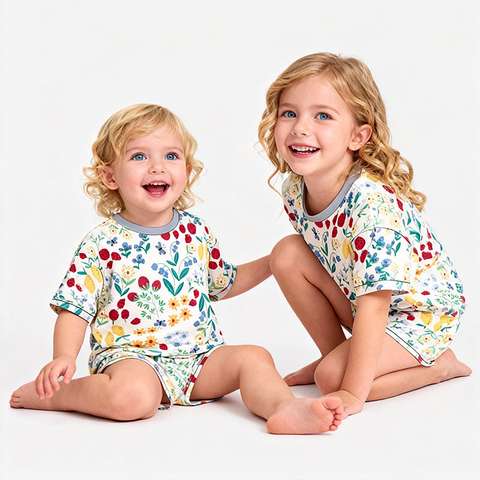
| Fabric Type | Organic Bamboo |
| Compliance | ASTM F963 |
| Customization | Custom |
| Lead Time | 20 Days |
Market Trends and the Importance of Technical Excellence in Winter Pajamas
The market for women's winter sleepwear is not solely about aesthetics and design. Today’s consumers are highly informed and demand products that bring functional benefits. This means manufacturers must integrate technical excellence into every step of the production pipeline, from selecting the right fabrics and achieving optimal GSM levels to leveraging industrial machinery for scalable and efficient outcomes.
Additionally, sustainability is becoming a growing concern. Fabric GSM and density optimization play a role in reducing excessive material usage, while advanced industrial machinery can minimize energy consumption during production. This not only enhances the eco-friendliness of the final product but also lowers operating costs—an appealing advantage for manufacturers and wholesalers alike.
The ability to engineer high-quality products with state-of-the-art machinery ensures a competitive edge in a saturated market, while also enabling B2B stakeholders to meet the modern expectations of retail partners and end consumers.
: Engineering the Ideal Winter Pajamas
Manufacturing pijama hiver femme that meets the highest standards of comfort, warmth, and durability requires a thorough understanding of key technical parameters such as GSM and fabric density. By leveraging advanced industrial machinery, manufacturers can produce garments that embody these qualities while maintaining cost-efficiency and sustainability.
The intersection of fabric science, precision engineering, and innovative machinery forms the backbone of the winter pajama industry. As demand continues to trend upward, businesses that prioritize a technically driven approach to production will be best equipped to meet challenges and capitalize on emerging opportunities in the market.
